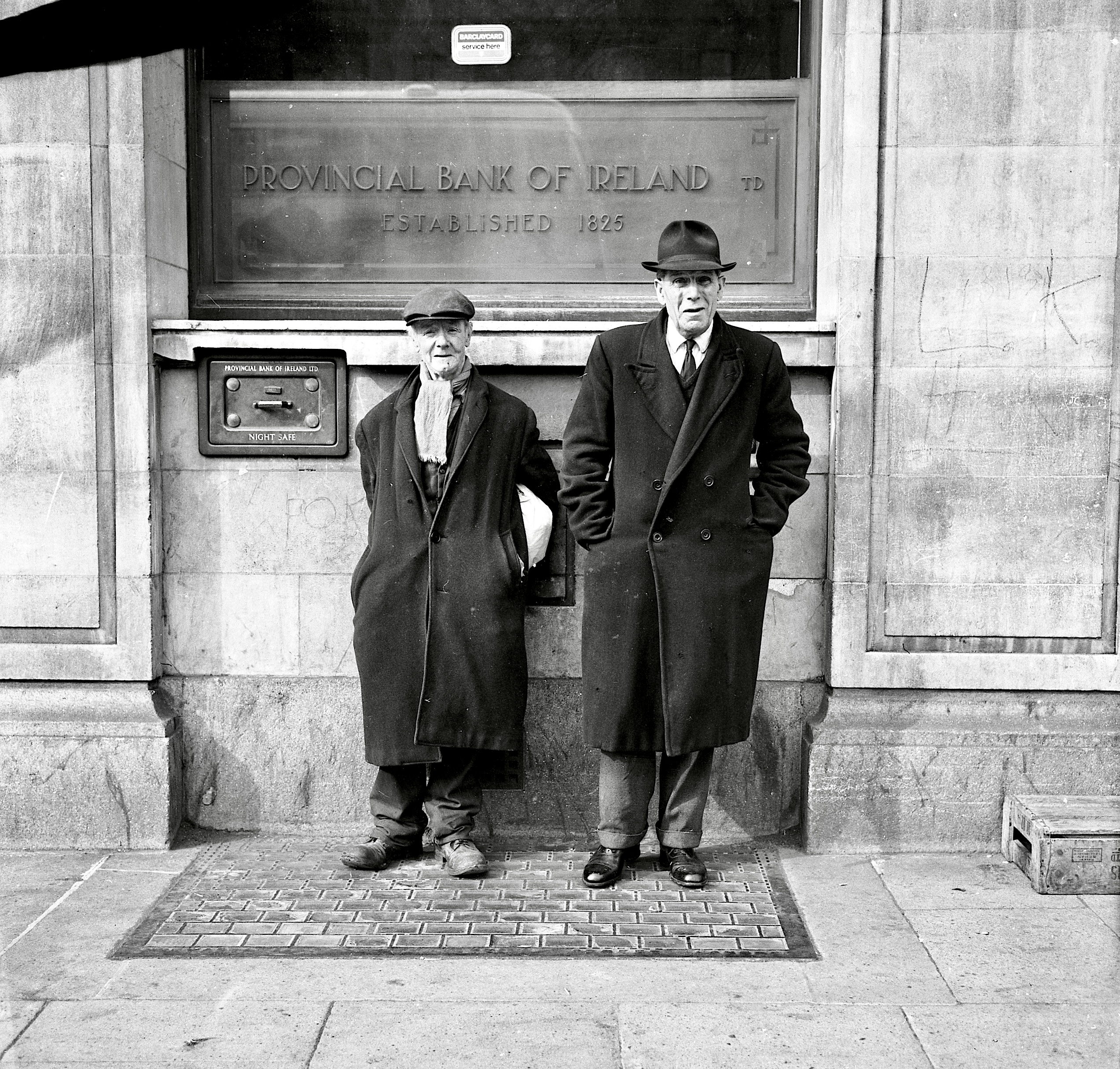
En attendant Godot
Collégien j’avais décrété que, plus tard, je serais photographe d’art sans très bien savoir ce que le terme « art » revêtait. Puis, j’ai découvert dans la revue Zoom un article et des photos de presse de Donald McCullin qui prétendait être the toughest war photographer in the world. De fait, ses clichés de la guerre du Vietnam et du Biafra m’avaient laissé pantelant. Je serais donc reporter de guerre.
L’œuvre de William Eugene Smith pour le magazine Life a fini de me convaincre que telle était ma destinée. Surtout ses photos sur la guerre du Pacifique, un village espagnol, un médecin de campagne et le drame de la pollution au mercure à Minamata, au Japon, dont la charge émotionnelle et l’humanité n’ont jamais cessé de me bouleverser.
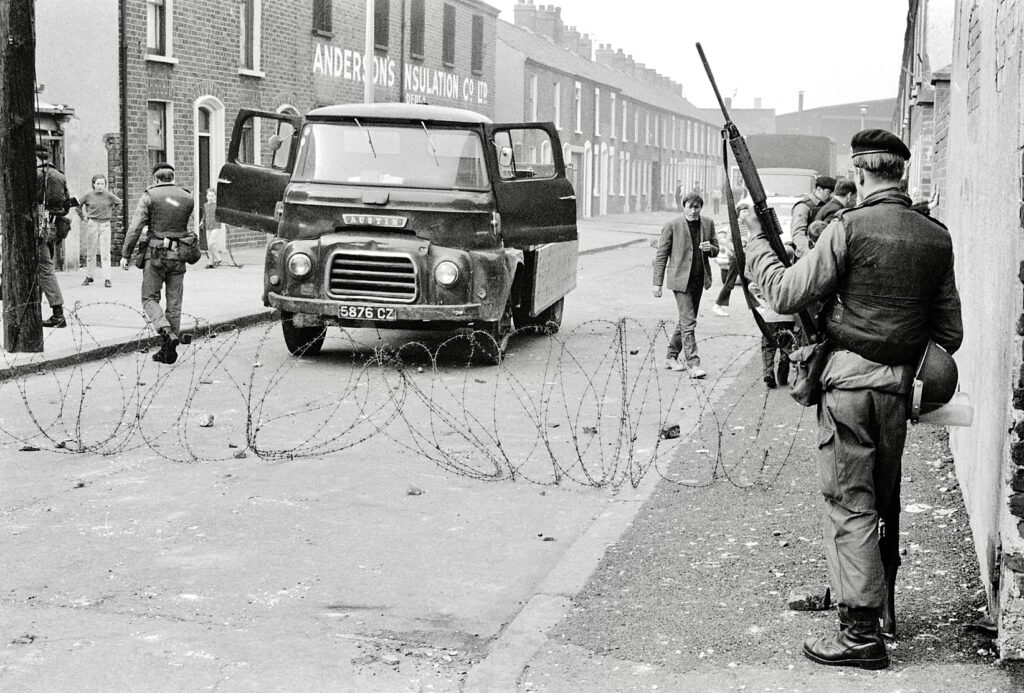
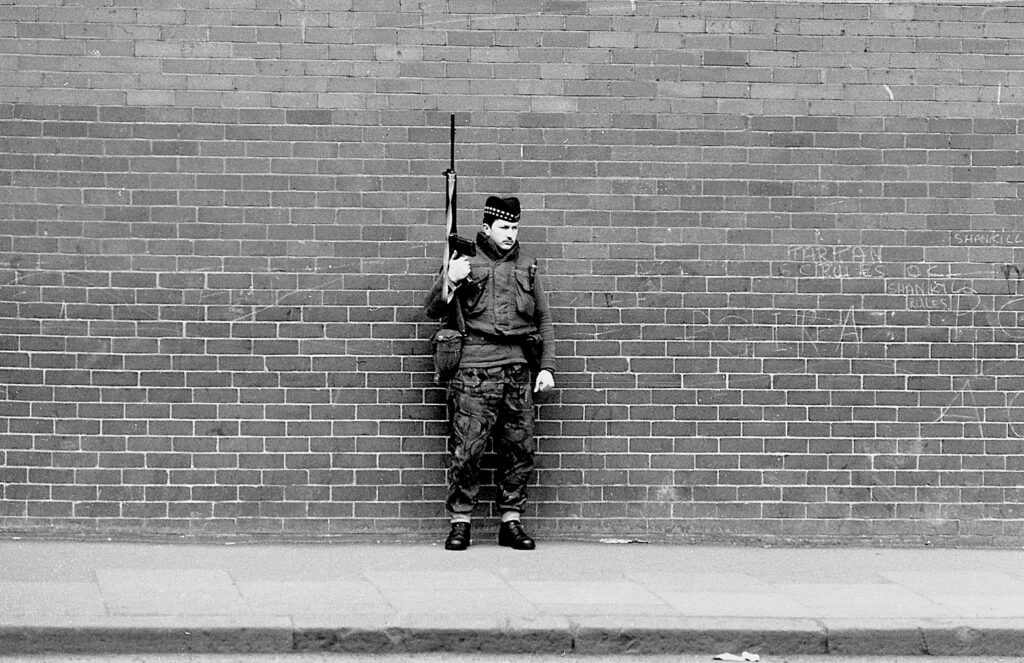
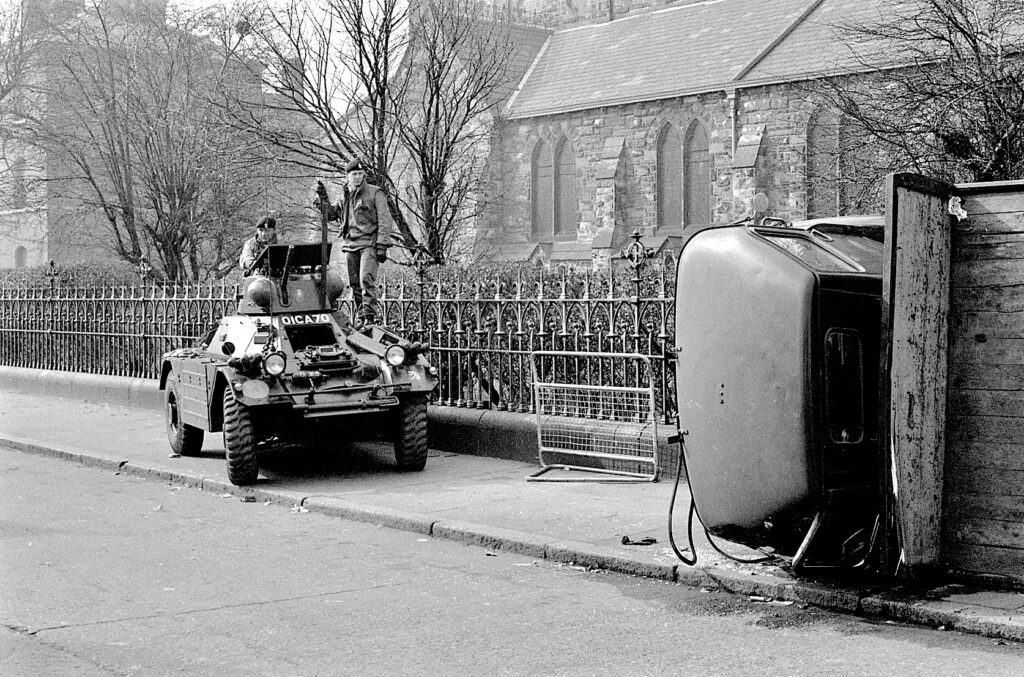
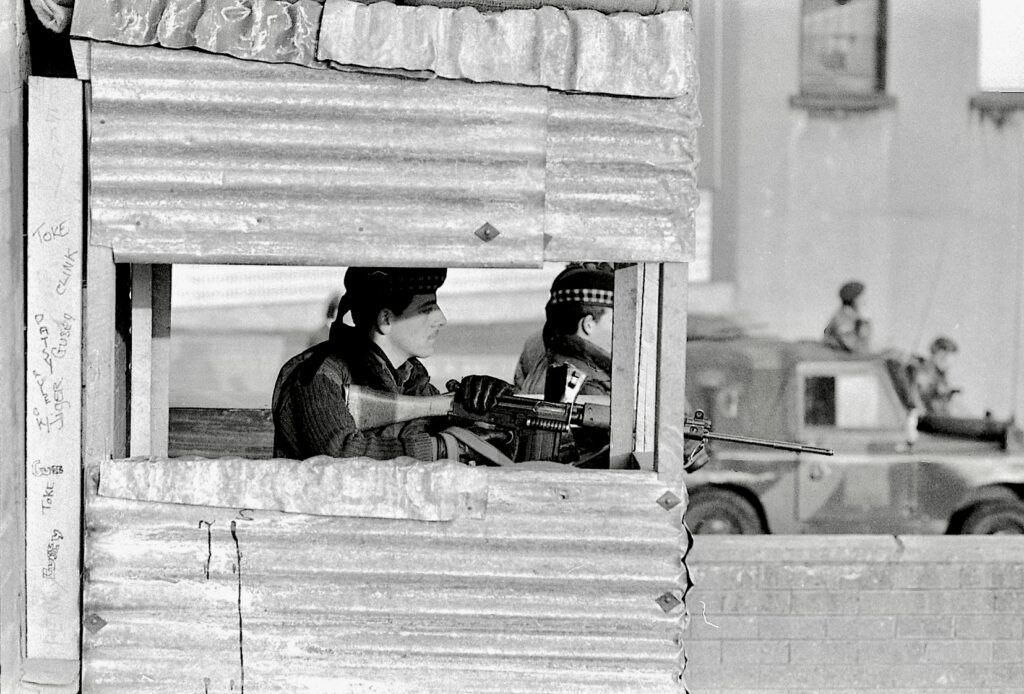
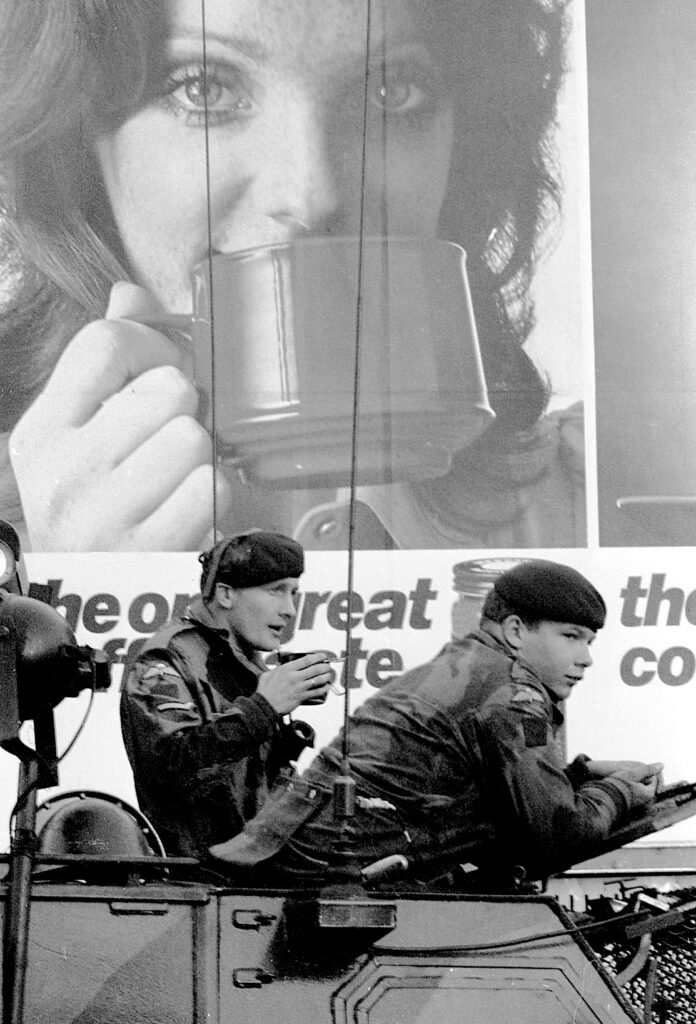
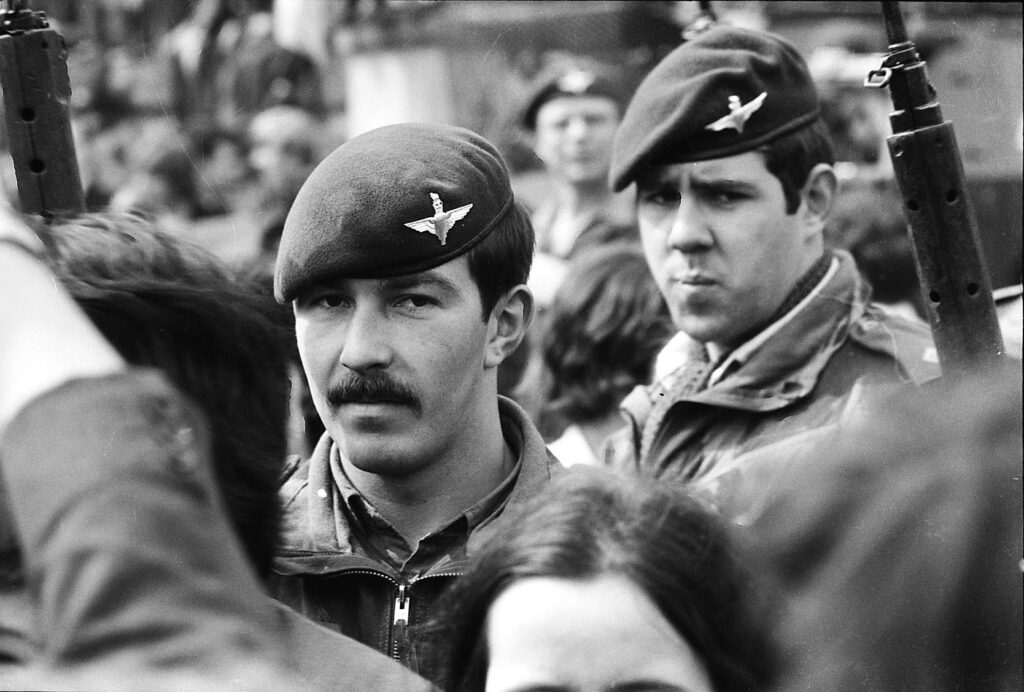
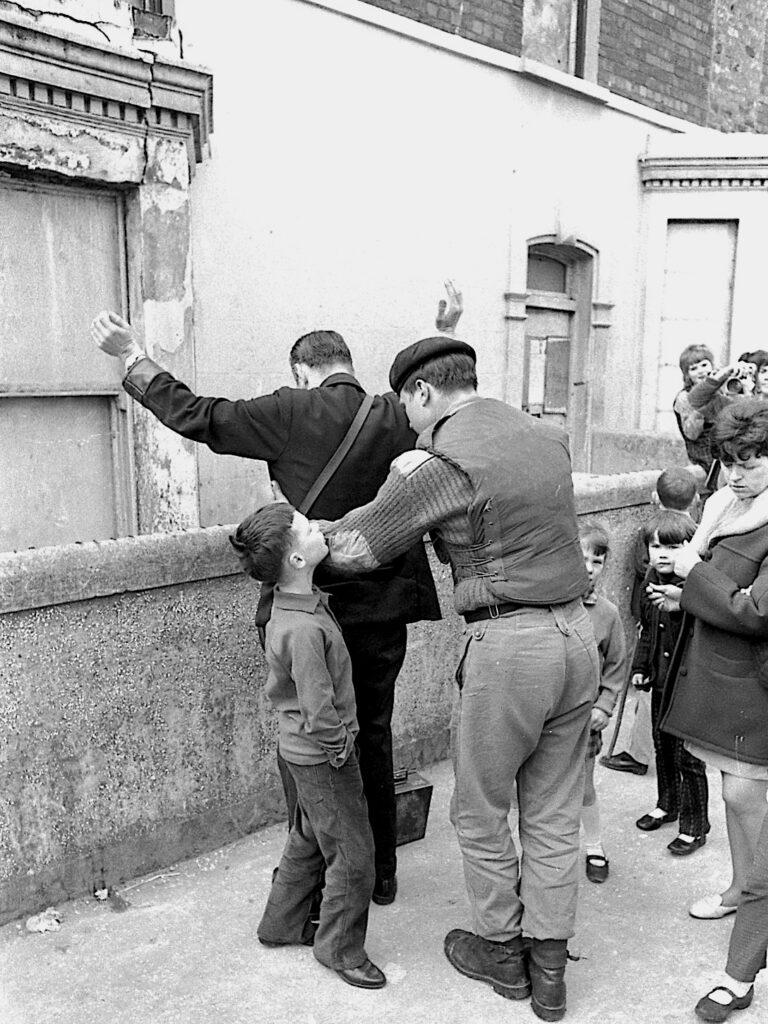
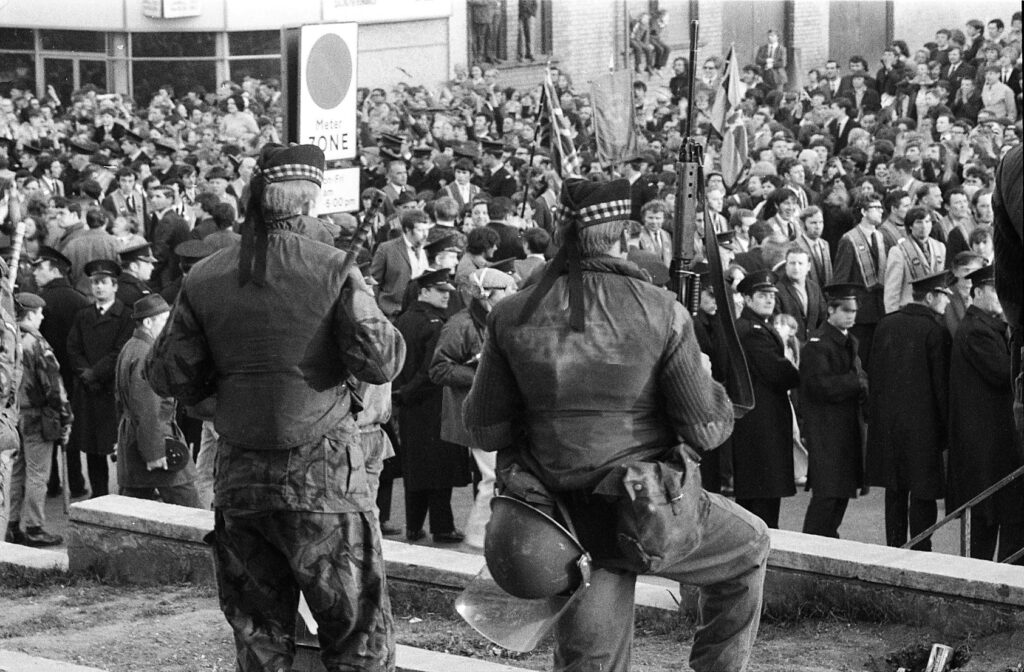
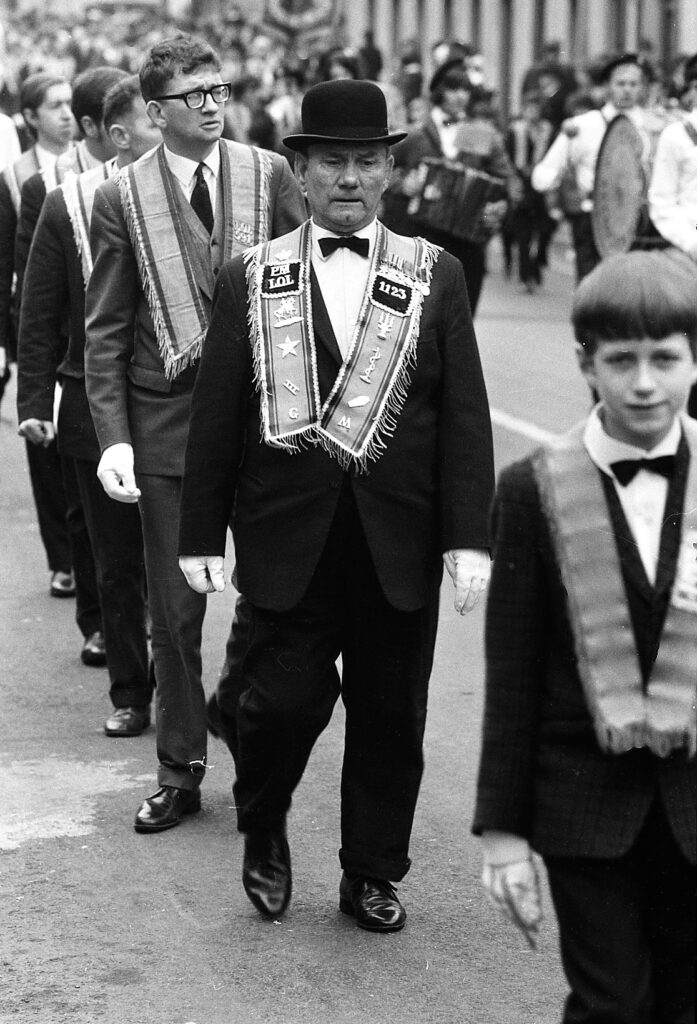
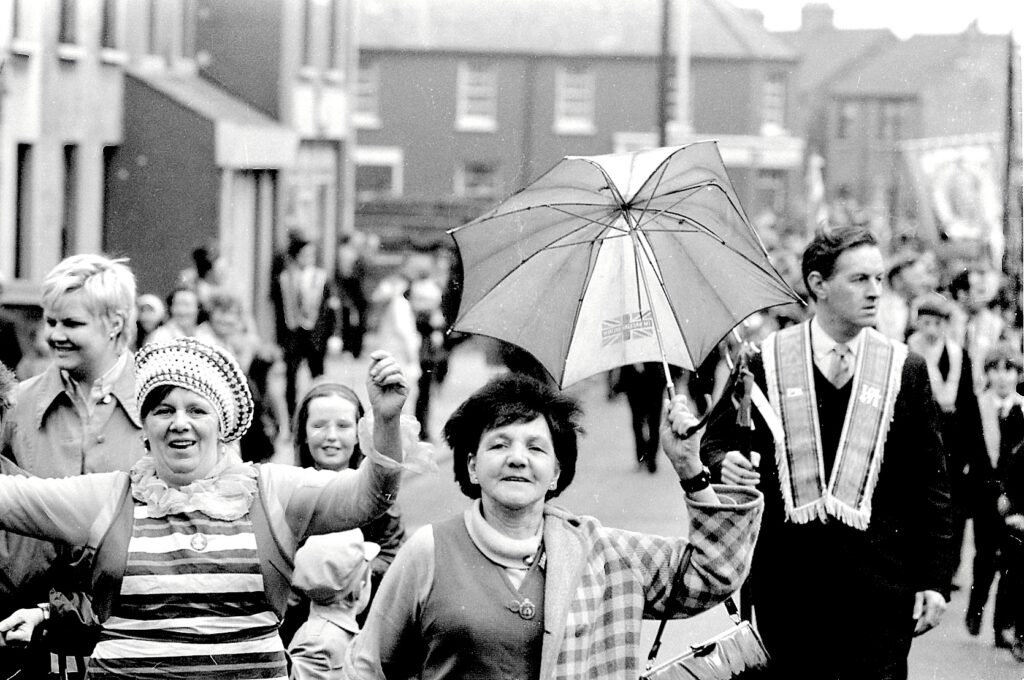
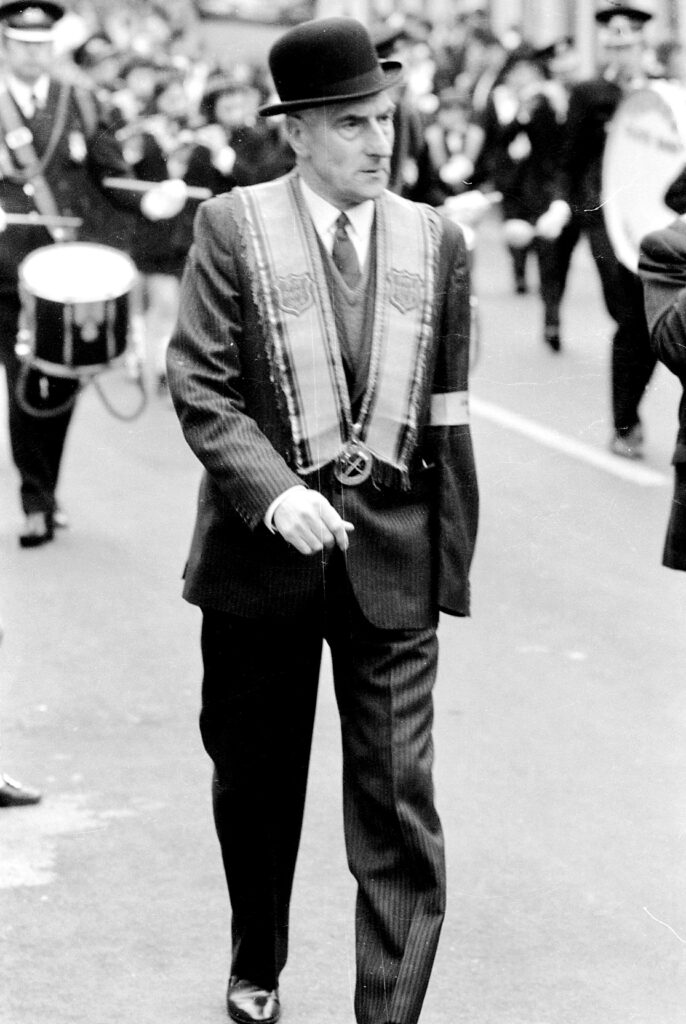
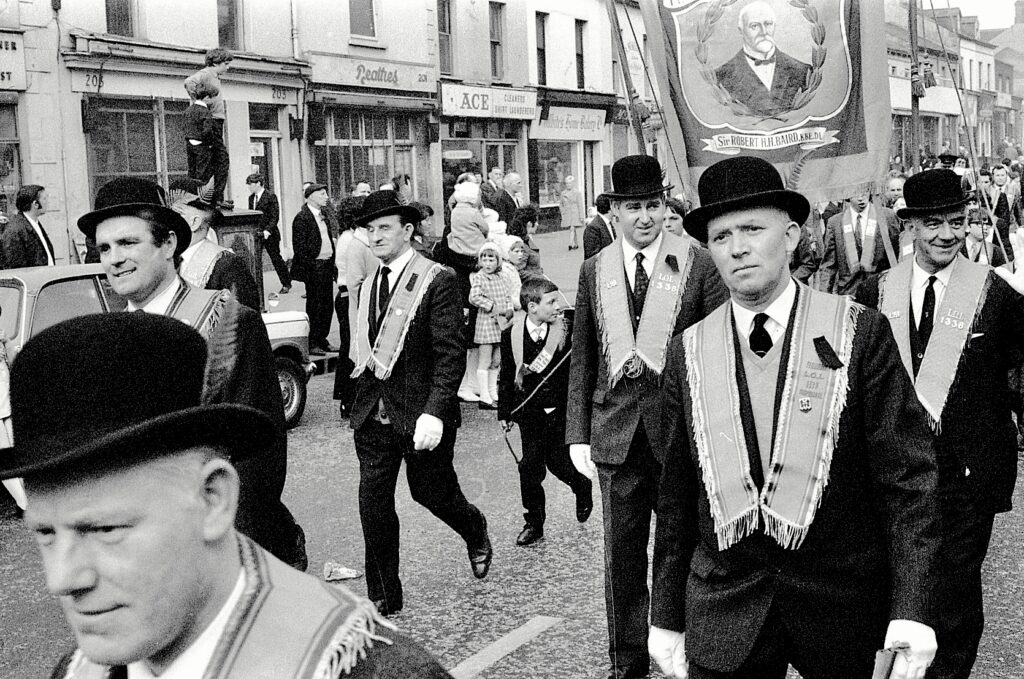
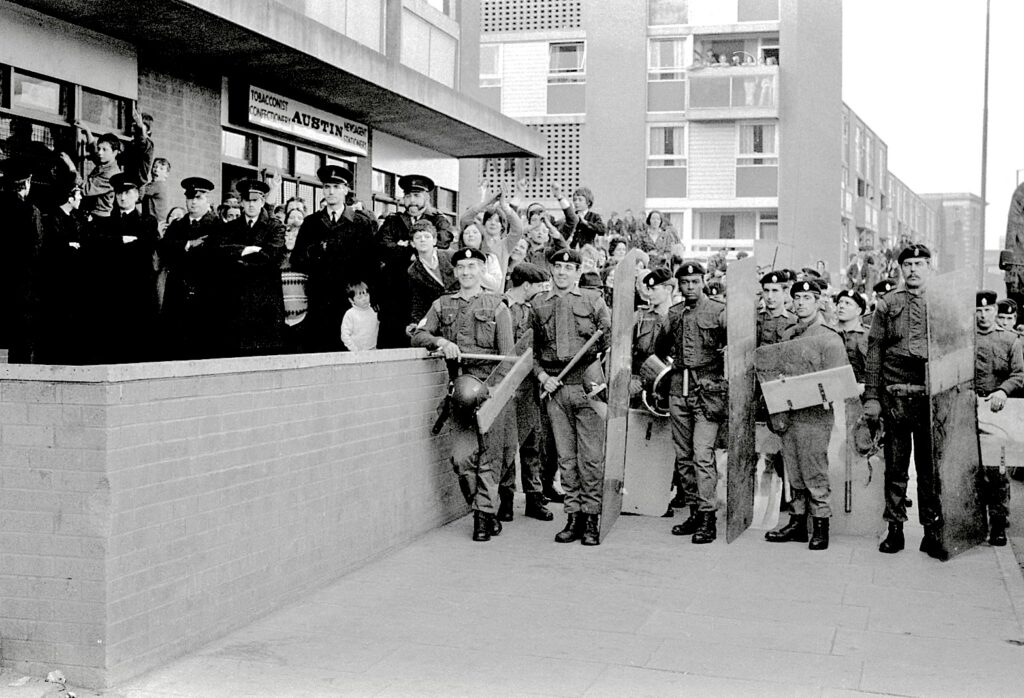
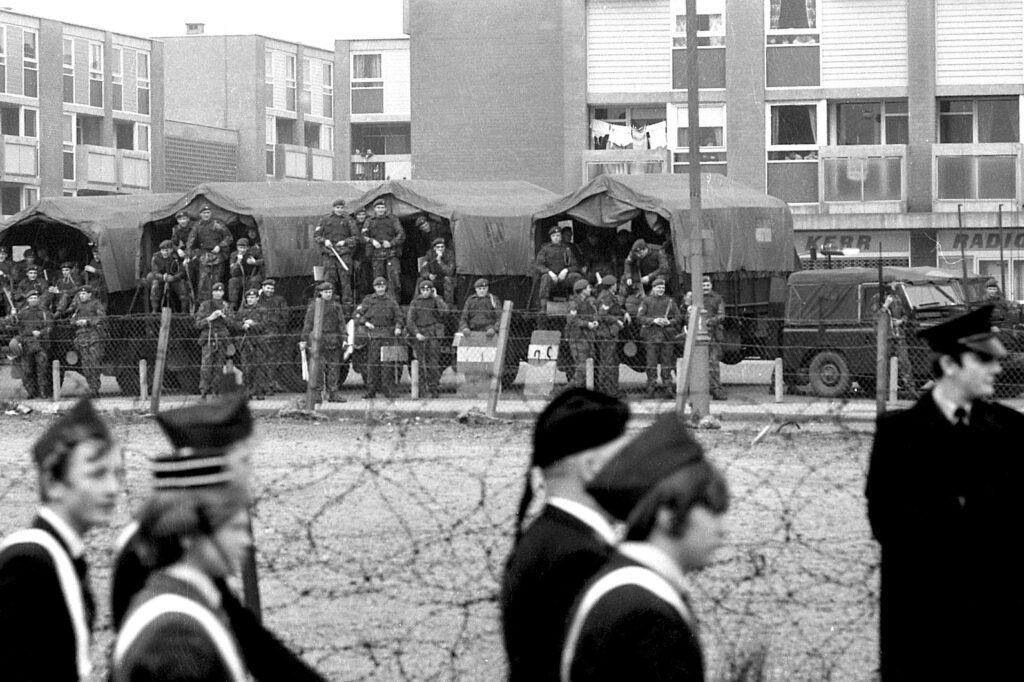
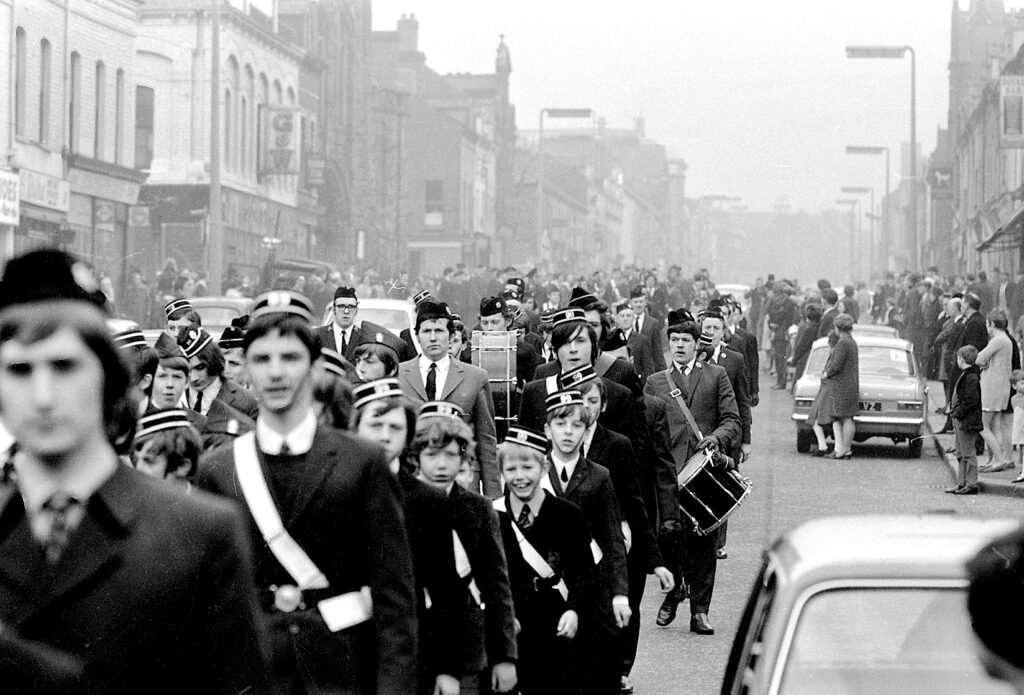
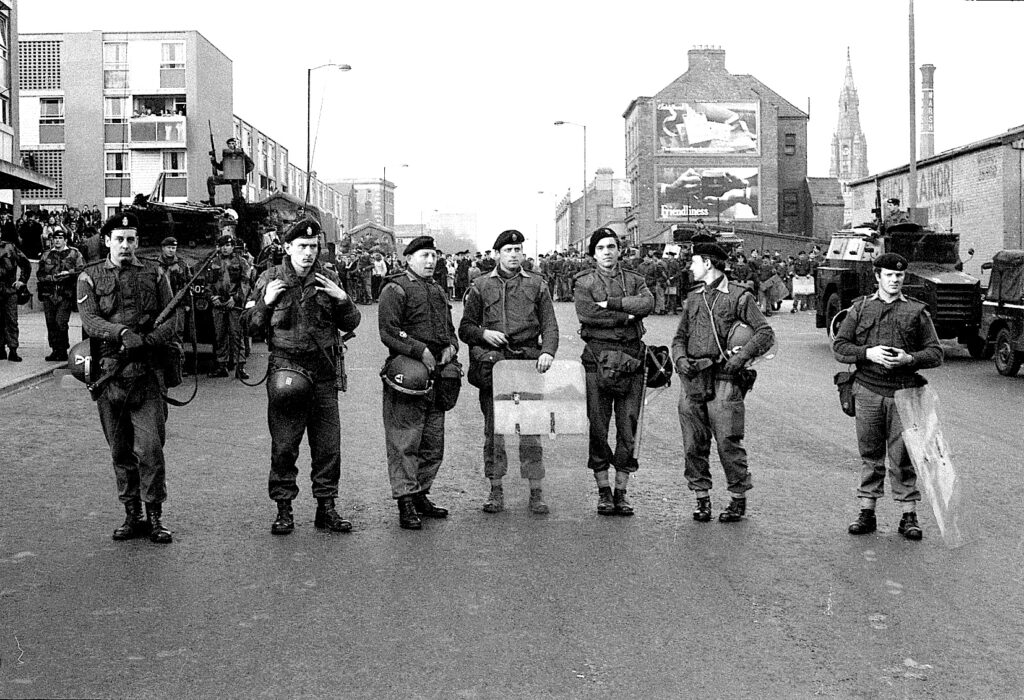
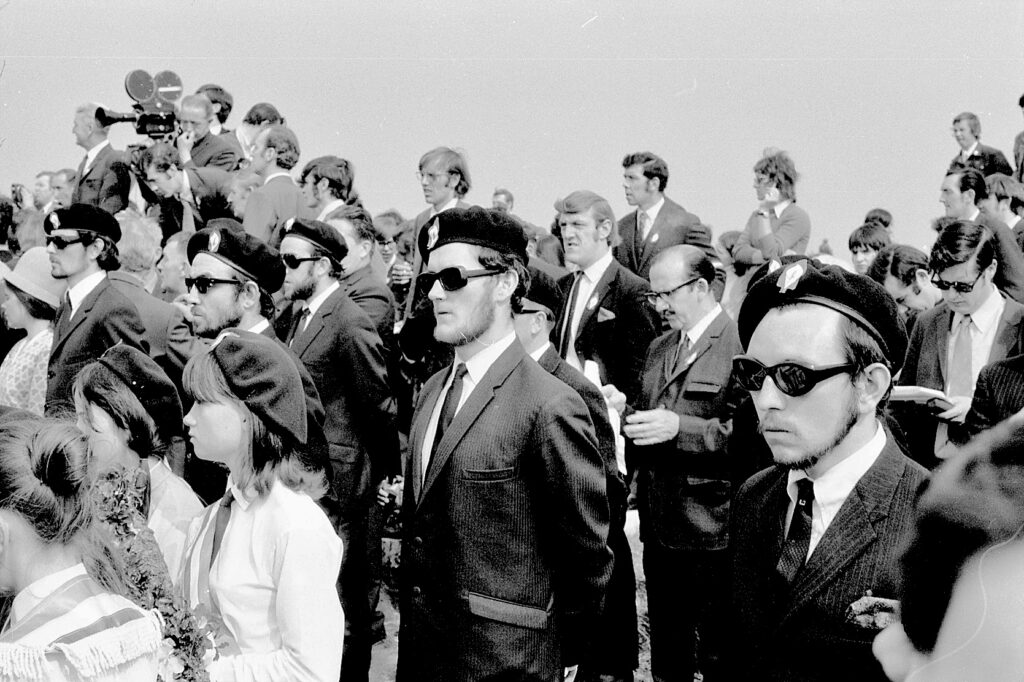
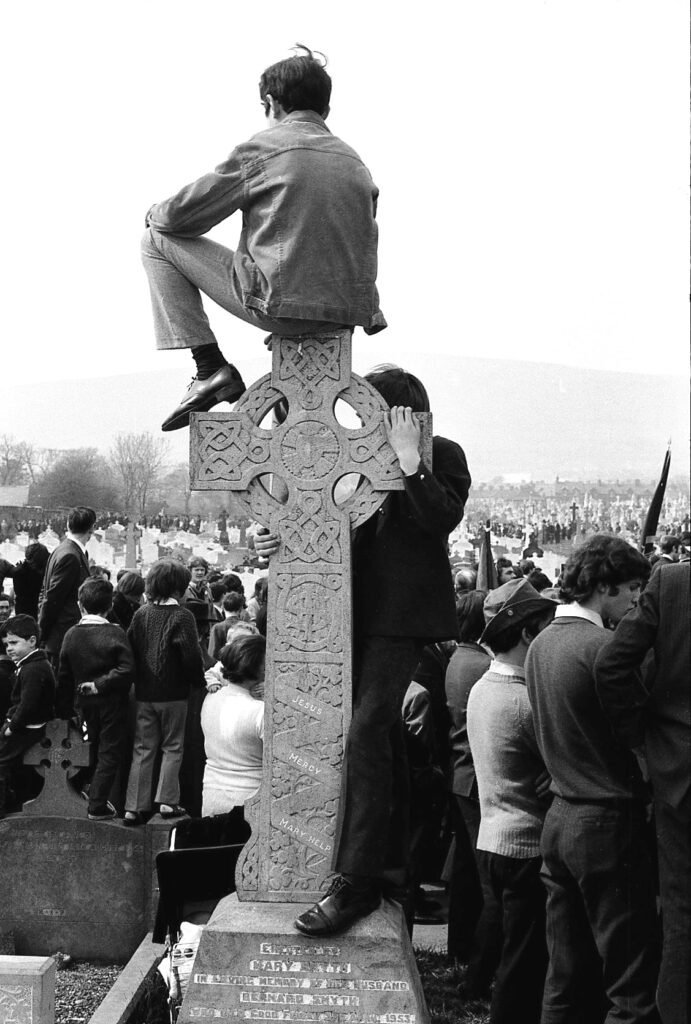
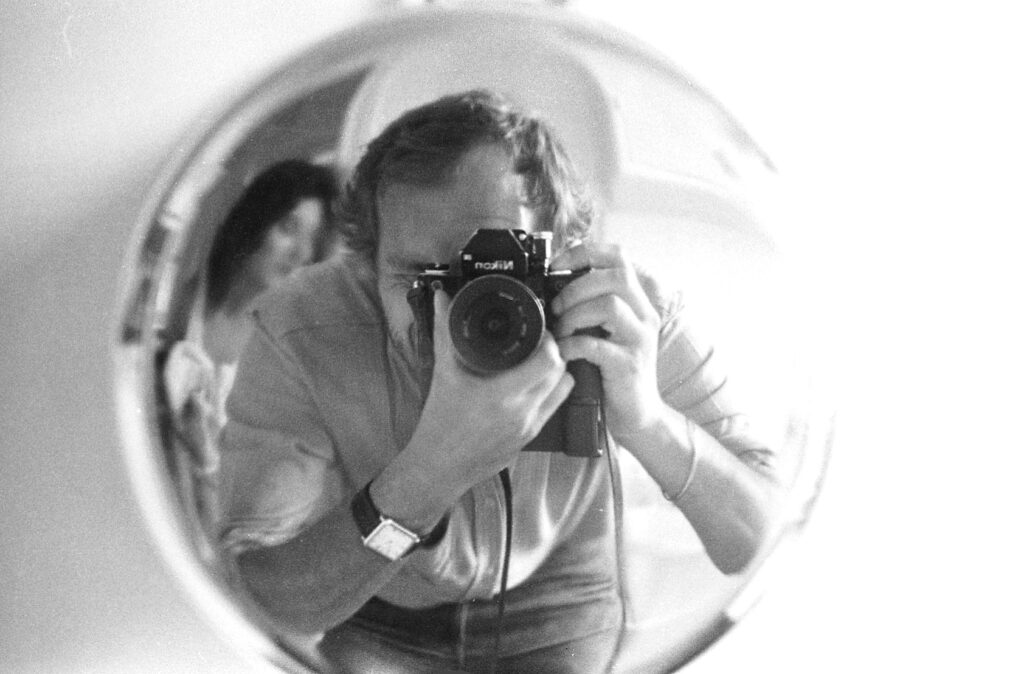
Fort de la conviction de devenir photoreporter, après avoir troqué mon Rolleiflex contre un Nikon, je suis parti à Belfast et Derry pour « couvrir » les échauffourées apparemment religieuses entre protestants et catholiques irlandais.
Mon reportage a eu l’honneur de plaire à Jean Monteux, le directeur de l’agence de presse Gamma et Floris de Bonneville, le rédacteur-en-chef. Ainsi suis-je devenu un bien éphémère photoreporter pour Gamma, comme des centaines d’autres photographes.
Un déjeuner près de l’agence avec Jean-Claude Francolon, photoreporter de renom, et mon ami journaliste Yves Loiseau, est resté gravé dans ma mémoire. J’avais annoncé, entre la poire et le fromage, que j’hésitais encore entre la photo et le cinéma. Francolon m’avait répondu : « Il ne faut pas hésiter trop longtemps ». L’ironie, après être devenu le président de Gamma, a voulu qu’il se soit depuis tourné vers les films documentaires.
Waiting for Godot
As a schoolboy, I’d decided that, one day, I’d be an art photographer, without really knowing what the term ‘art’ actually meant. Then, in Zoom magazine, I came across an article and some press photos by Donald McCullin, who claimed to be ‘the toughest war photographer in the world’. Indeed, his photographs of the Vietnam War and the Biafra conflict had left me breathless. So I would become a war correspondent.
William Eugene Smith’s work for Life magazine finally convinced me that this was my destiny. Above all, his photographs of the Pacific War, a Spanish village, a country doctor and the tragedy of mercury pollution in Minamata, Japan – whose emotional power and humanity have never ceased to move me.
Firmly convinced that I would become a photojournalist, after swapping my Rolleiflex for a Nikon, I set off for Belfast and Derry to ‘cover’ the seemingly religious clashes between Irish Protestants and Catholics.
My report had the honour of impressing Jean Monteux, the director of the Gamma press agency, and Floris de Bonneville, the editor-in-chief. And so I became a short-lived photojournalist for Gamma, like hundreds of other photographers.
A lunch near the agency with Jean-Claude Francolon, a renowned photojournalist, and my journalist friend Yves Loiseau, has remained etched in my memory. I had mentioned, between the dessert and the cheese, that I was still torn between photography and film. Francolon had replied: “You mustn’t hesitate for too long.” Ironically, after becoming the chairman of Gamma, he has since turned his hand to documentary films.
Go West young man !
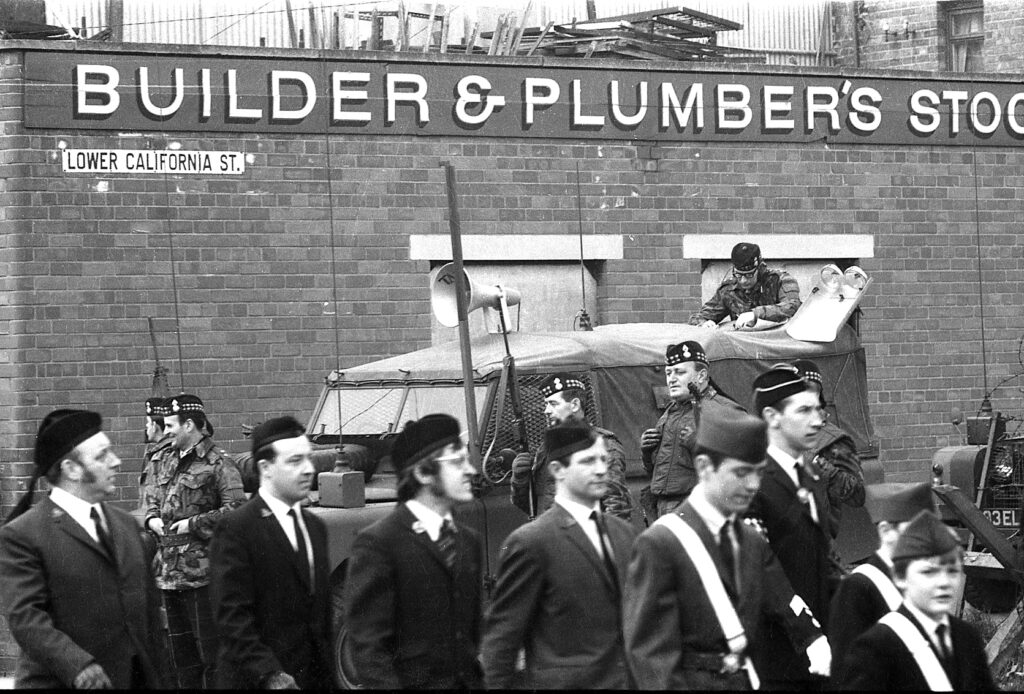
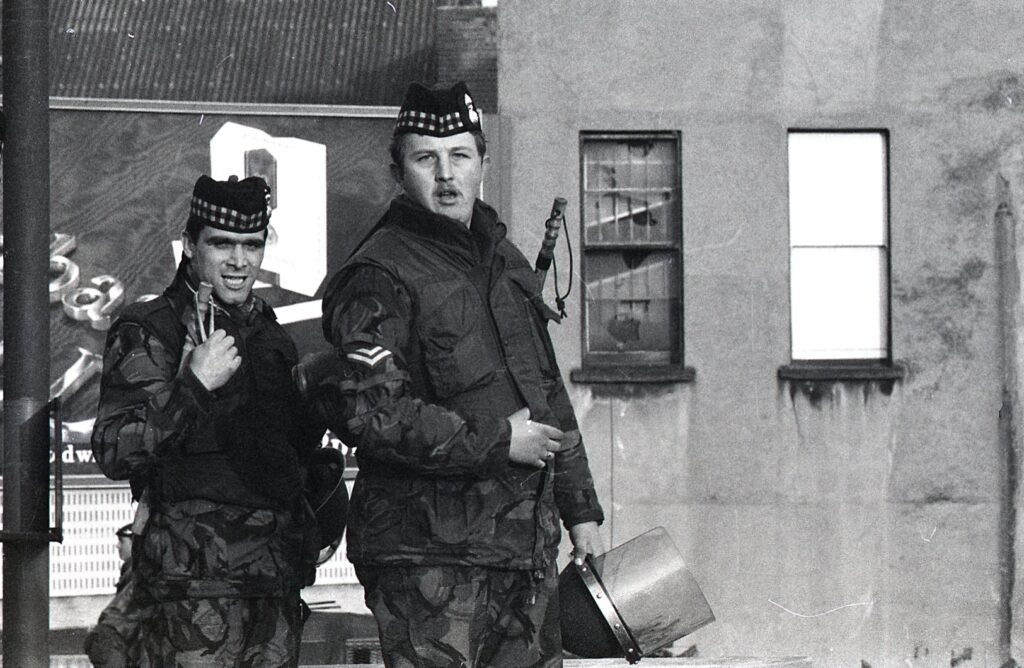
Assurément l’Irlande est sœur de ma Bretagne natale. Mais, en débarquant à Belfast, je n’ai ressenti qu’une haine suintante entre les deux communautés religieuses, incapables de cohabiter. L’armée britannique, avec plus ou moins de partialité, tentait en vain de séparer les belligérants. L’envoi de régiments écossais, parlant une langue celte comme les Irlandais, n’a jamais vraiment aidé à calmer les esprits.
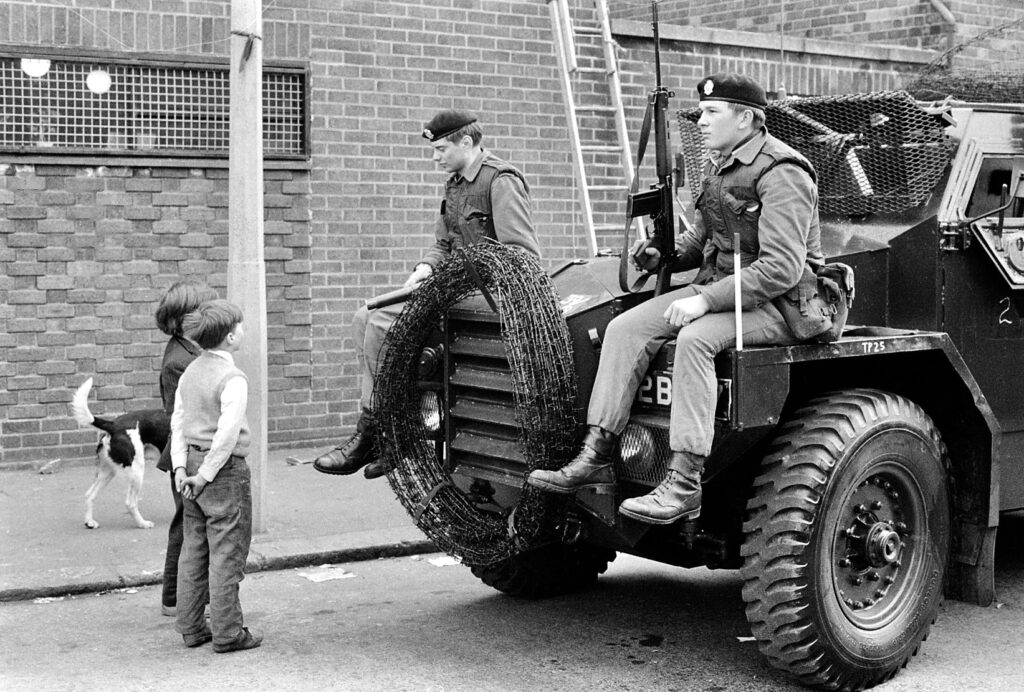
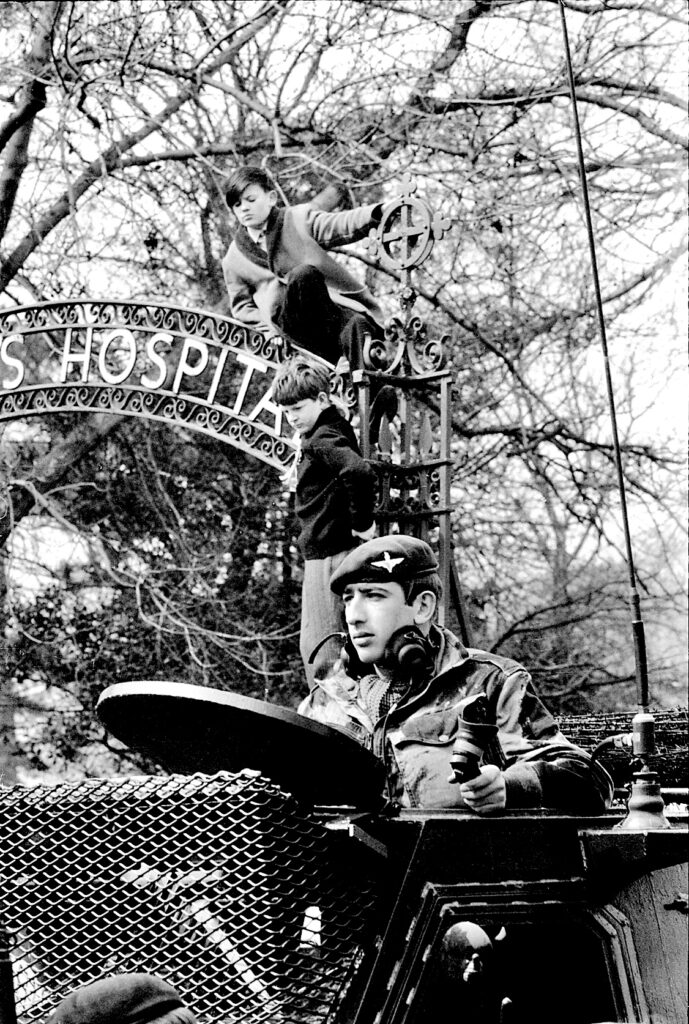
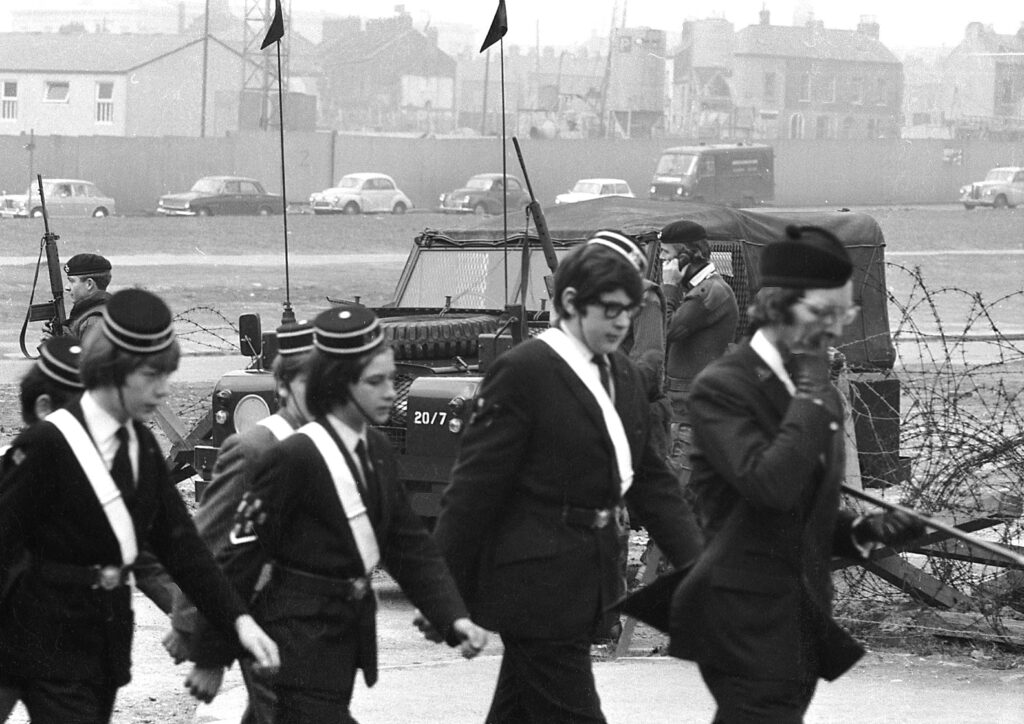
Les enfants surtout des ghettos catholiques, baignant dans le chaos d’une guerre civile larvée, me sont apparus d’une arrogance inouïe à l’égard des soldats qui mimaient l’indifférence.
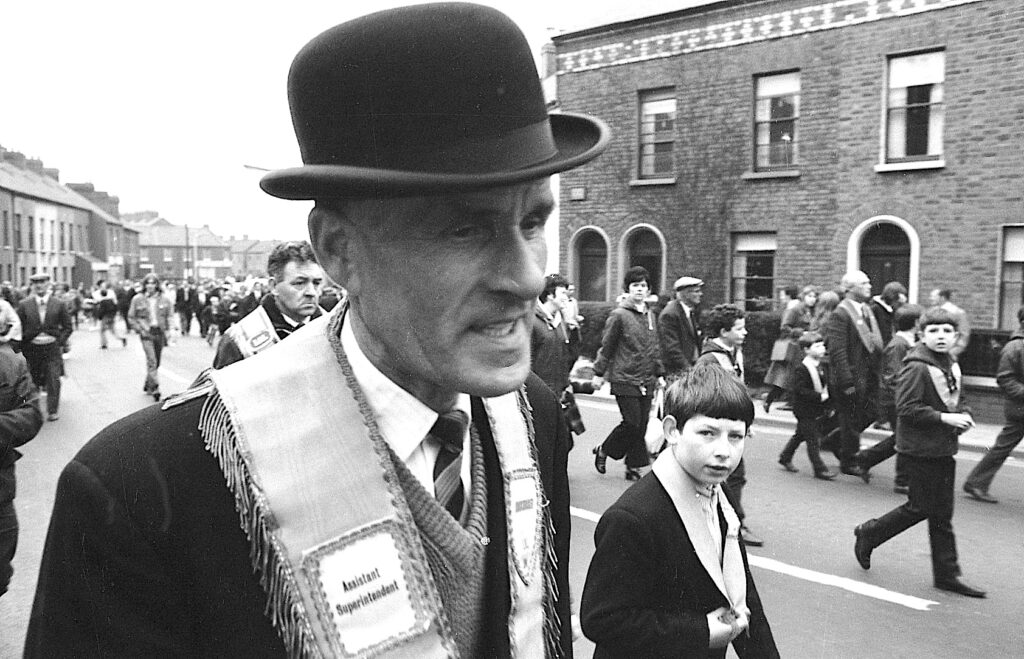
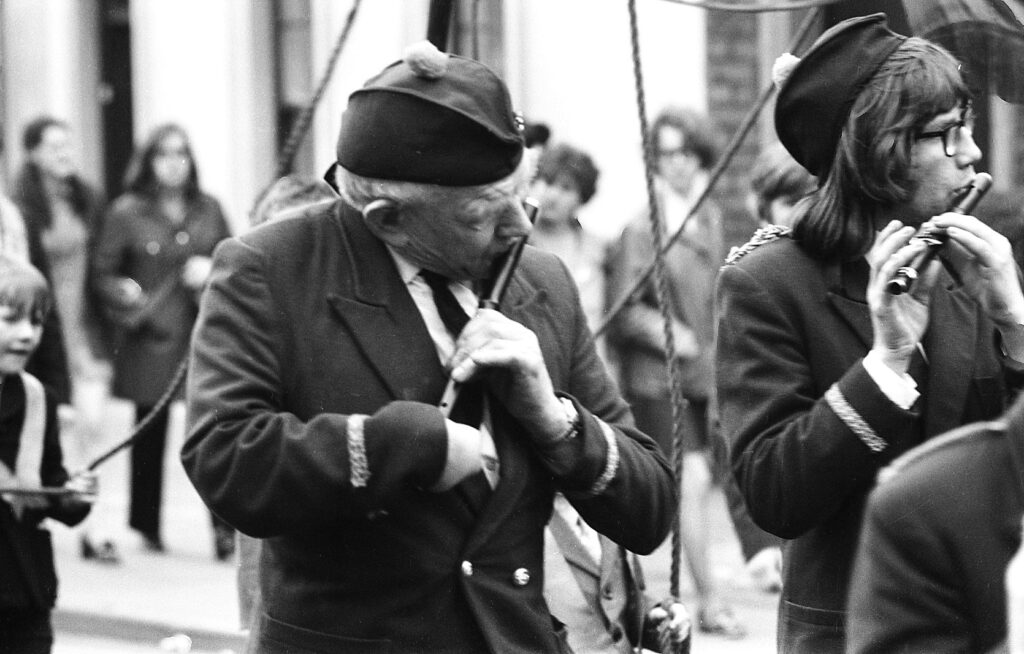
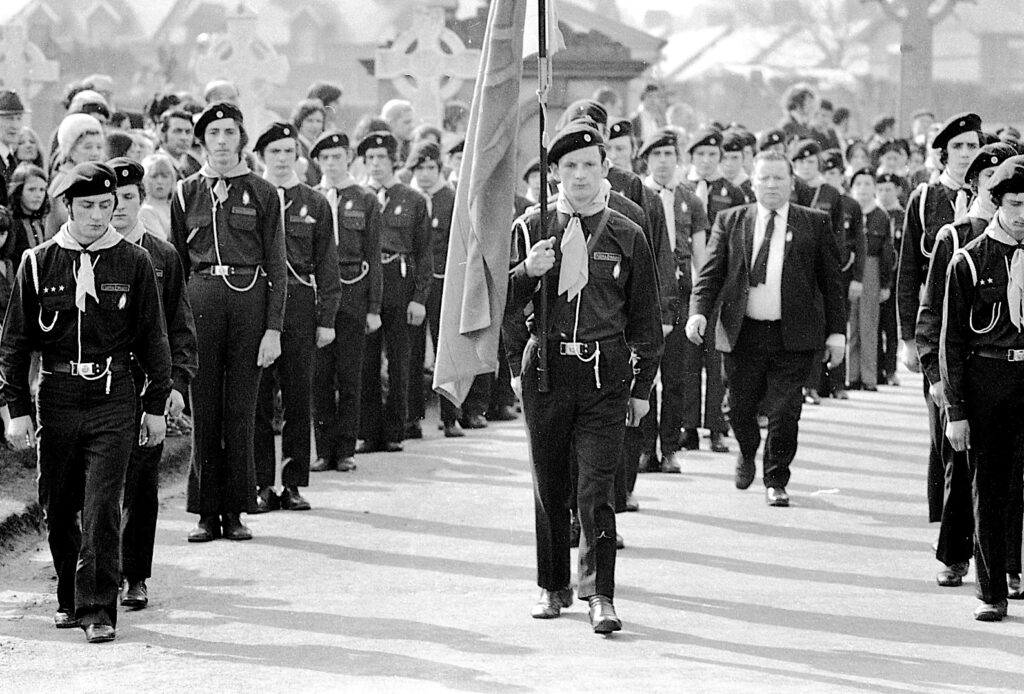
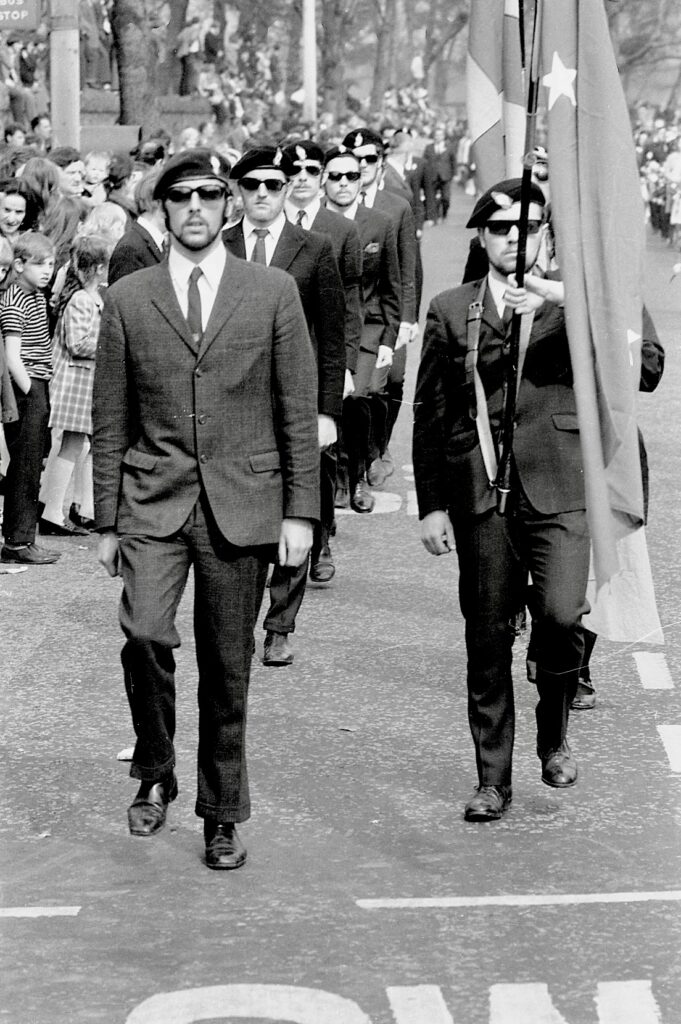
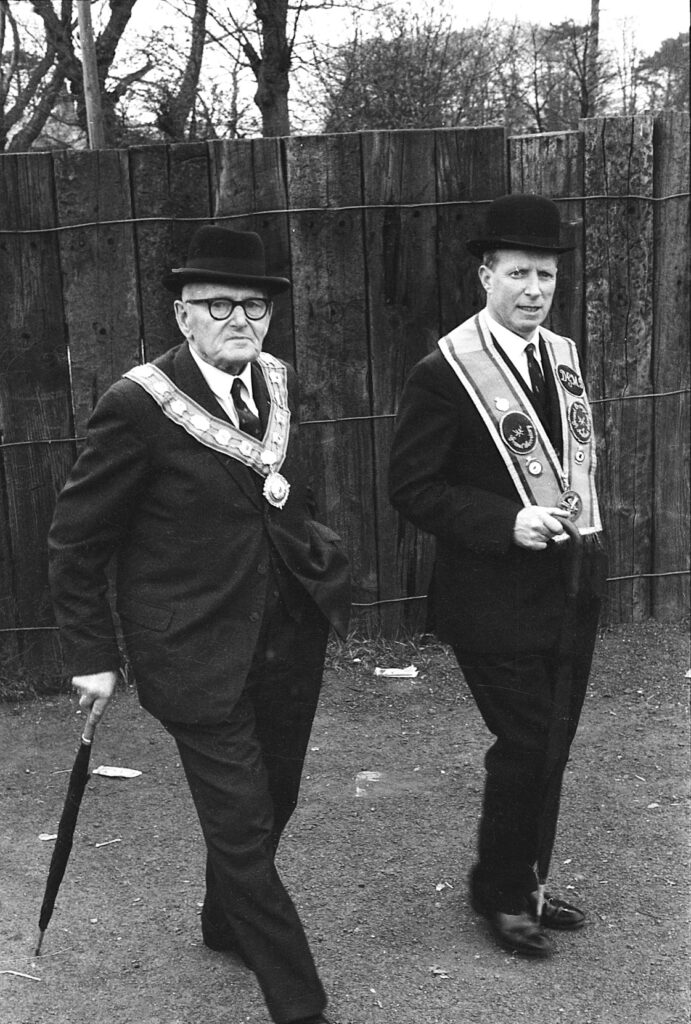
Chaque communauté défilait dans son coin, les Orangistes protestants, confits dans le XVIIIe siècle, et les membres de l’IRA, bérets et lunettes noires, dans une démarche et une discipline quasi militaires. Impressionnant.
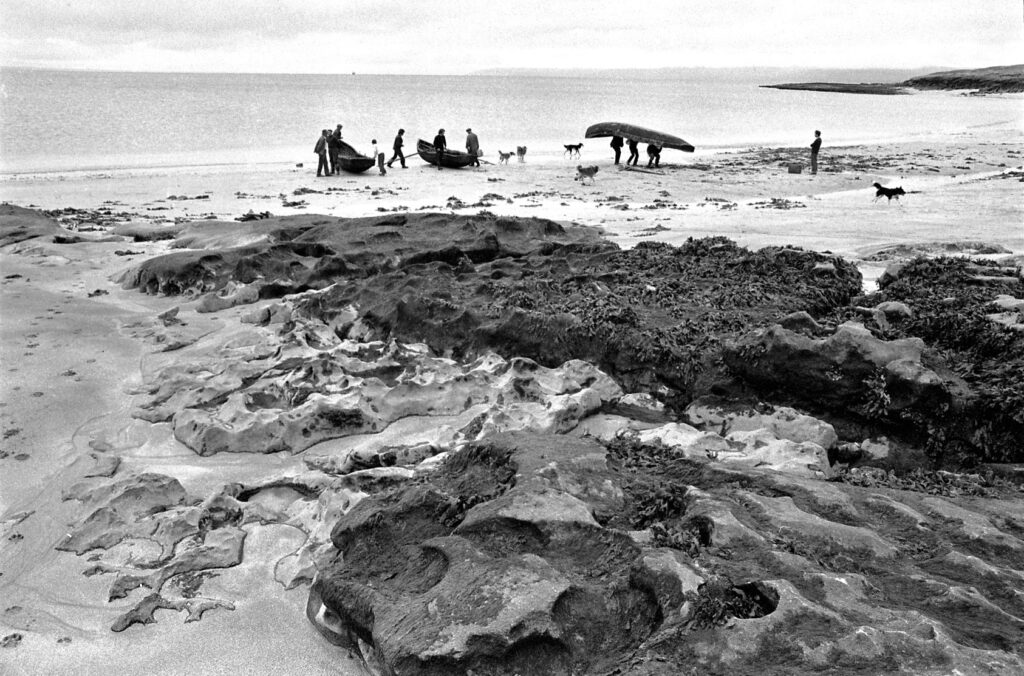
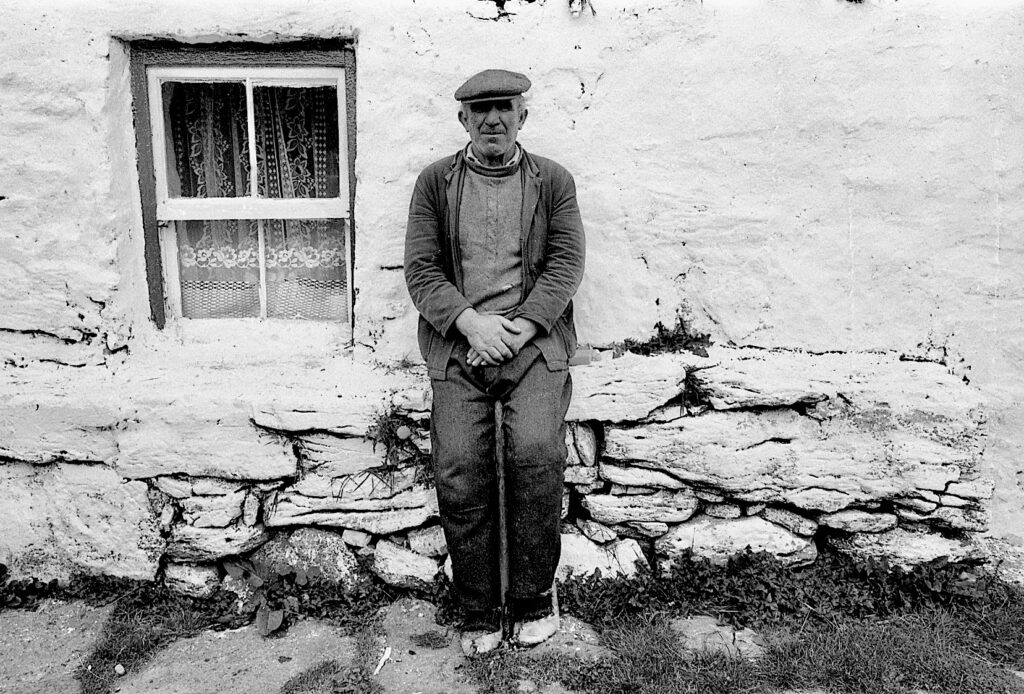
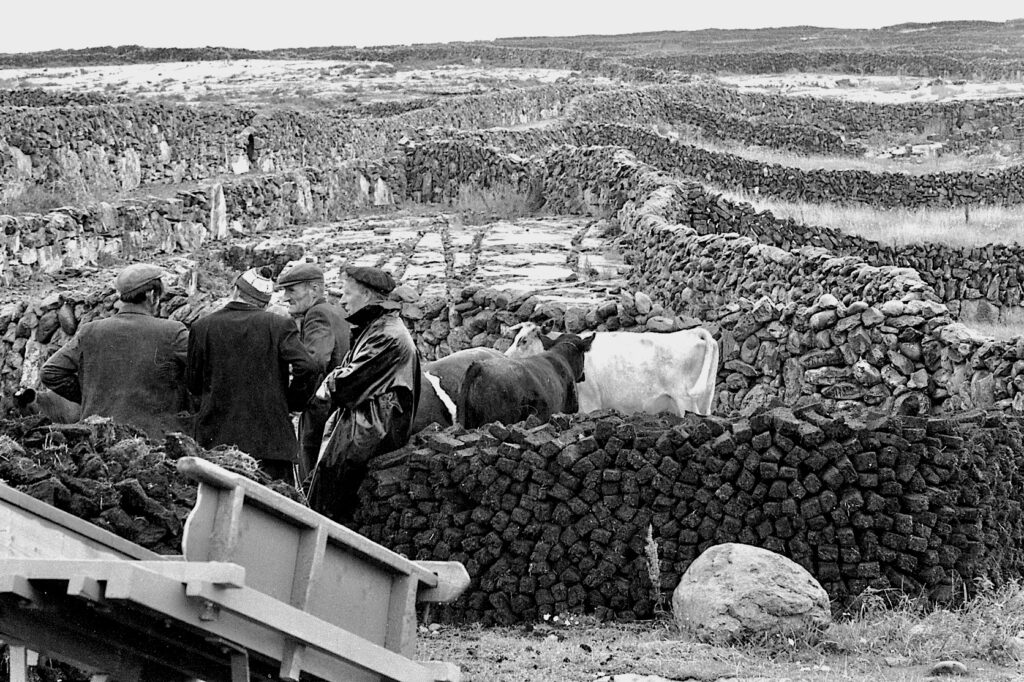
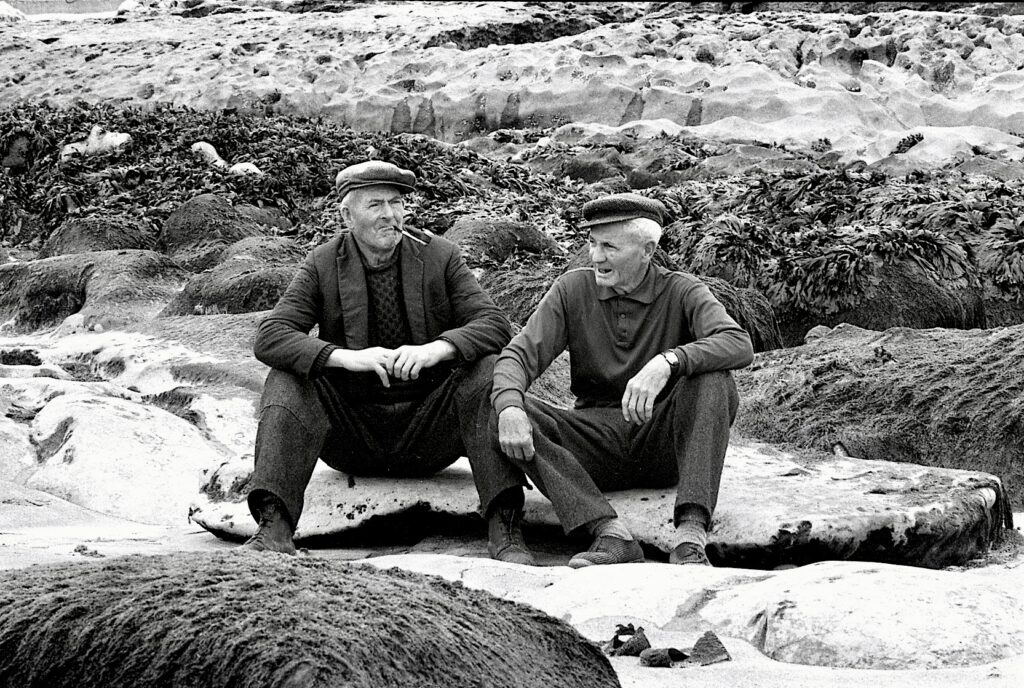
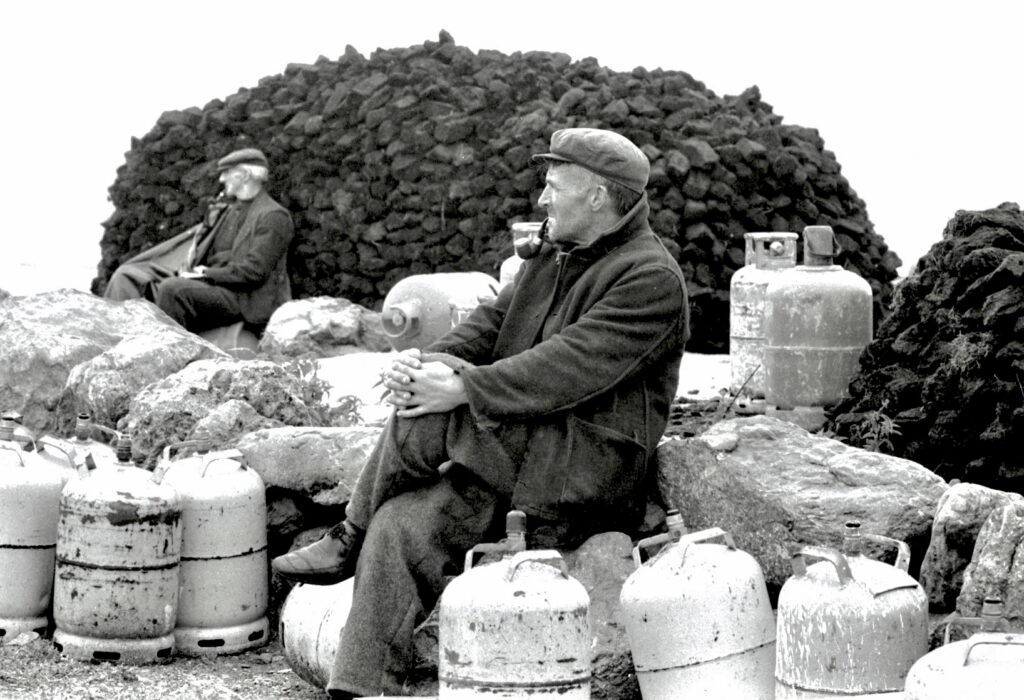
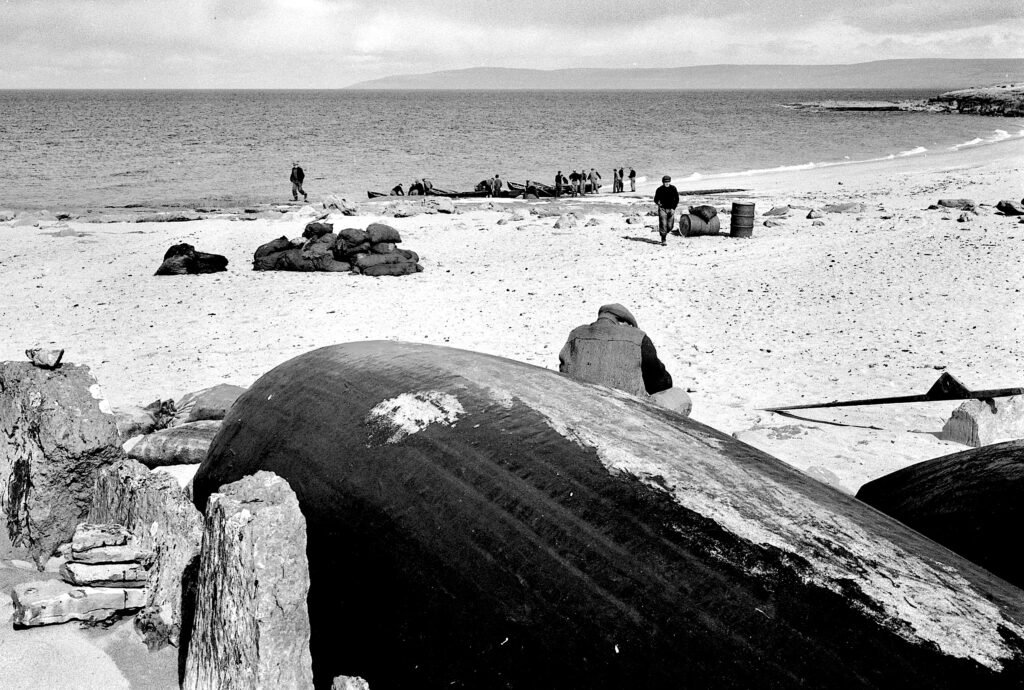
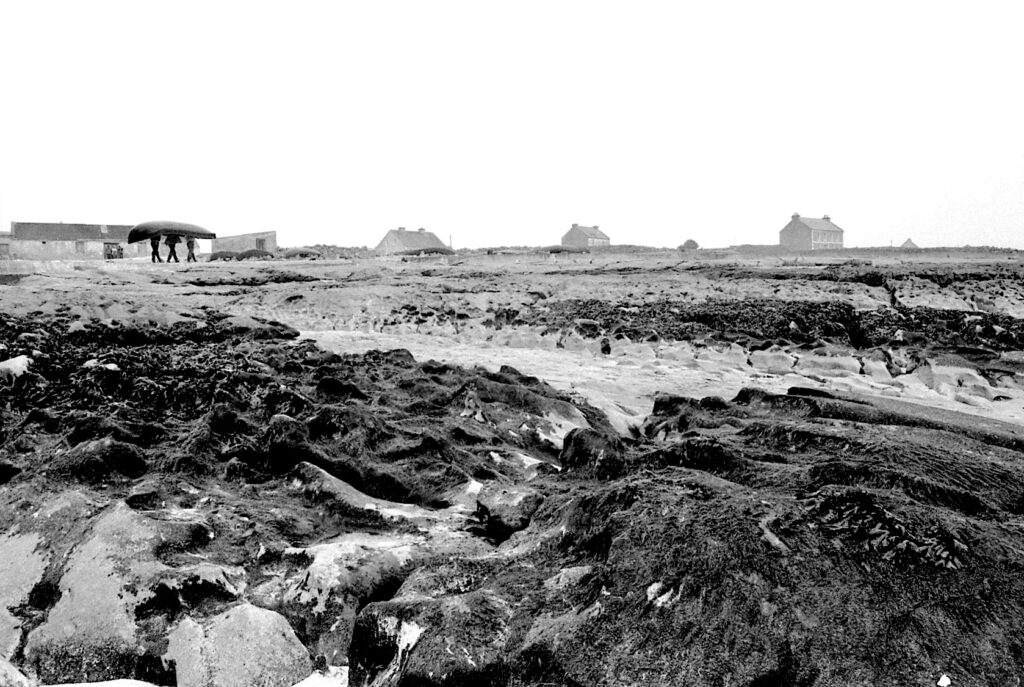
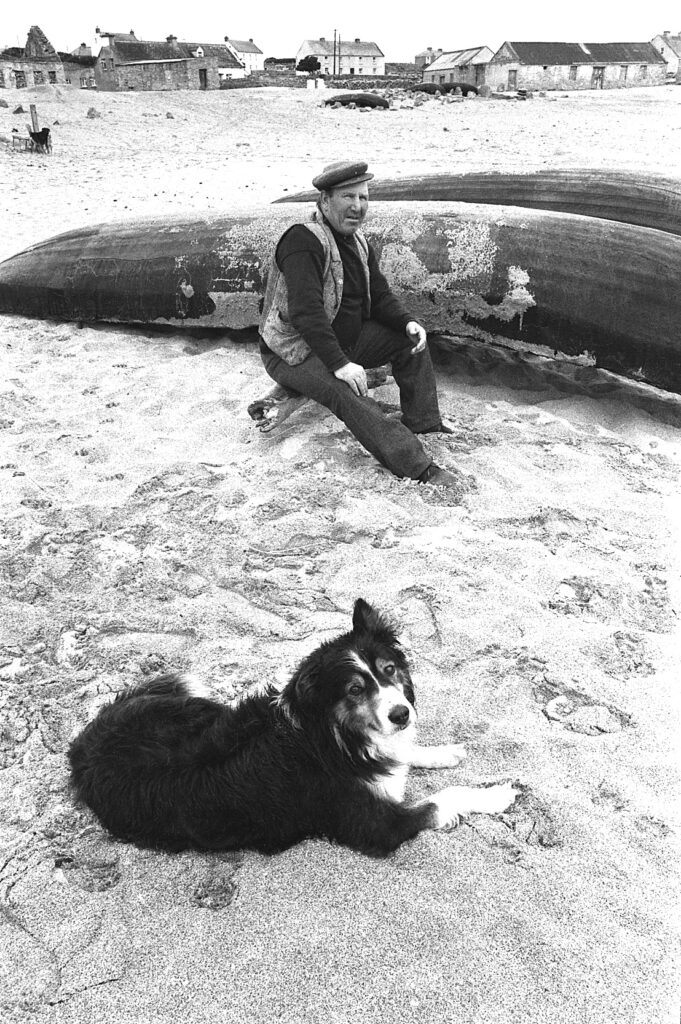
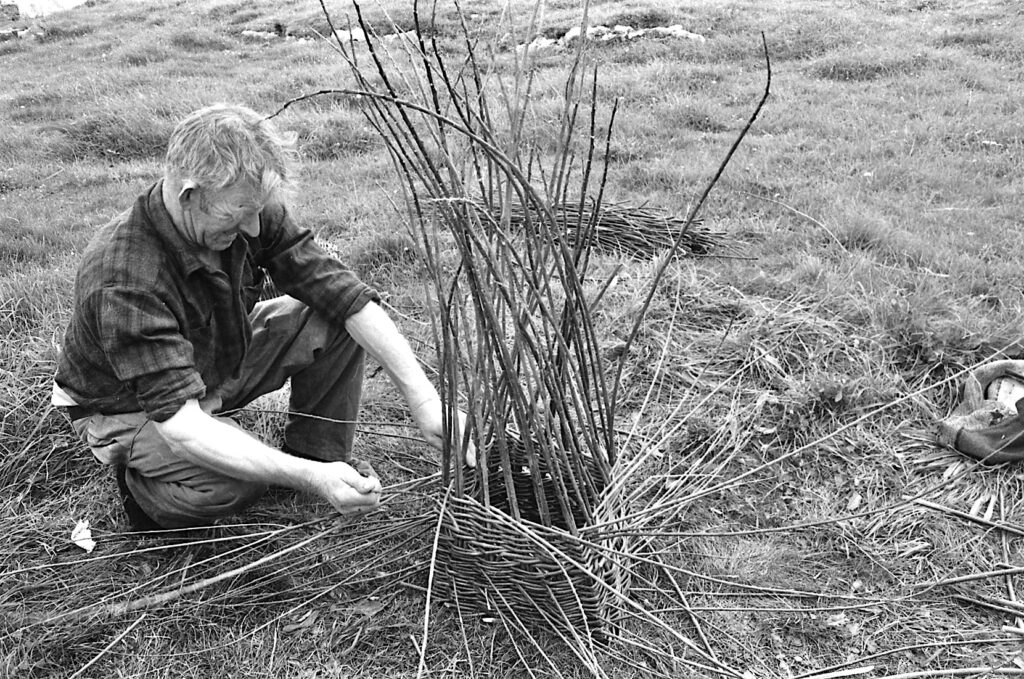
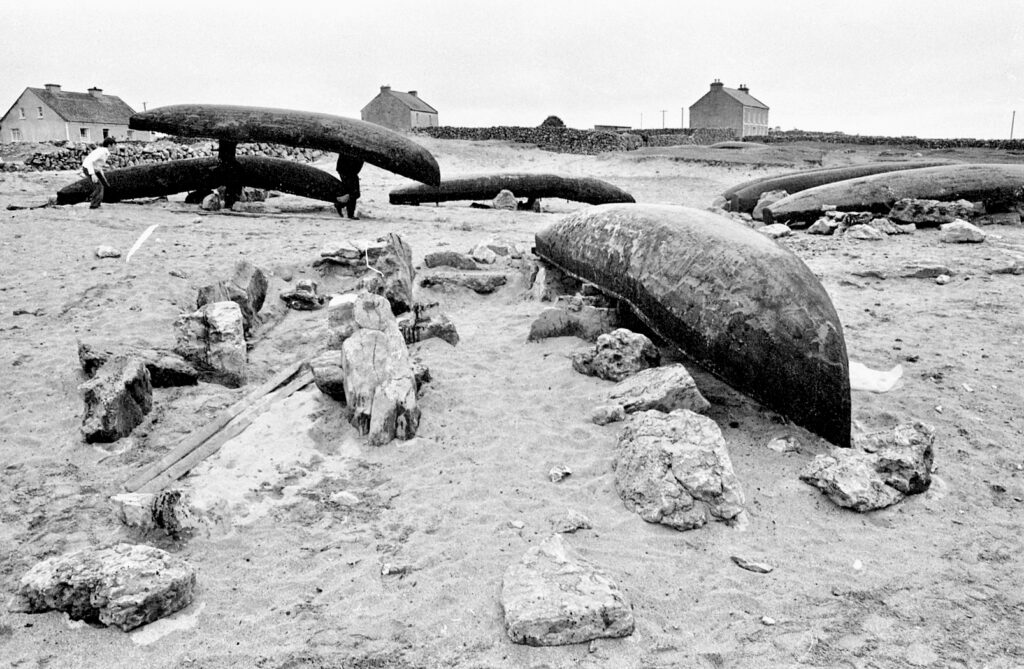
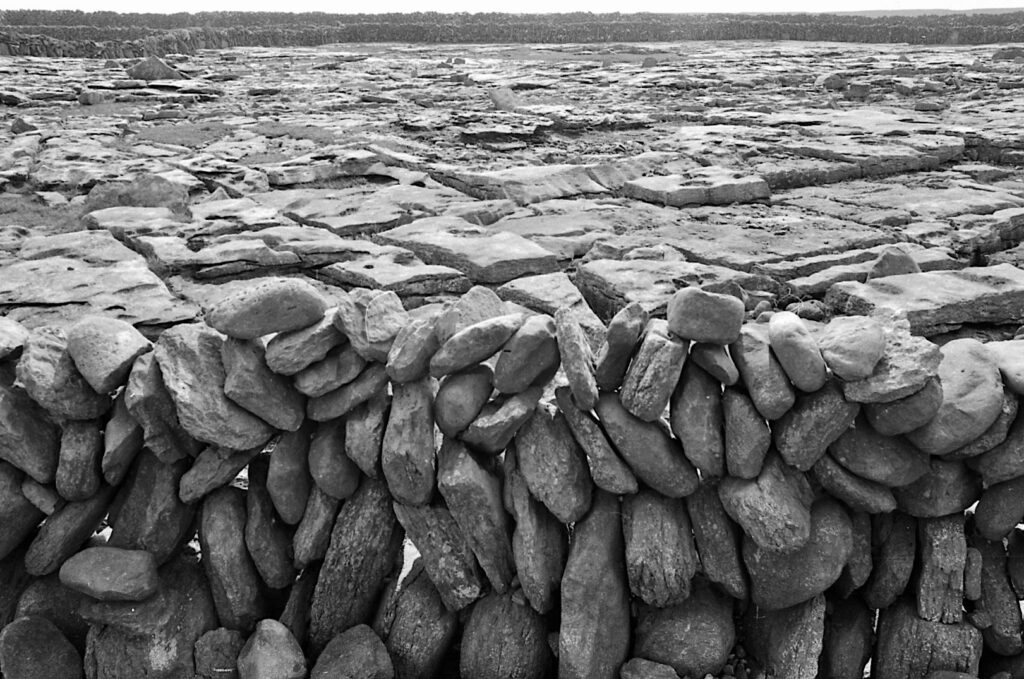
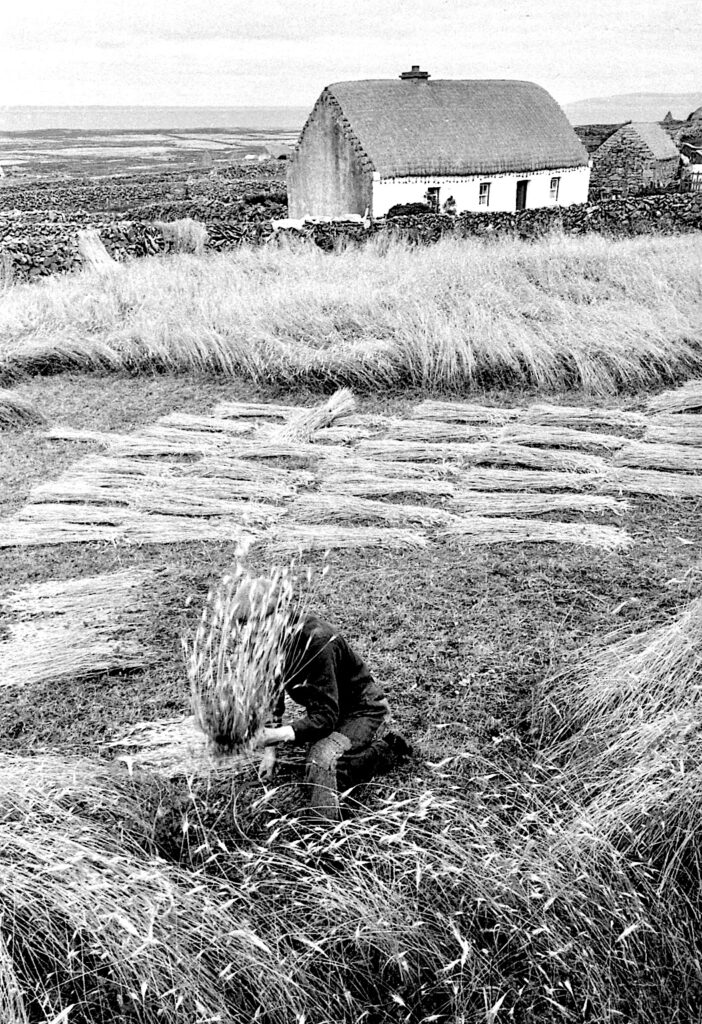
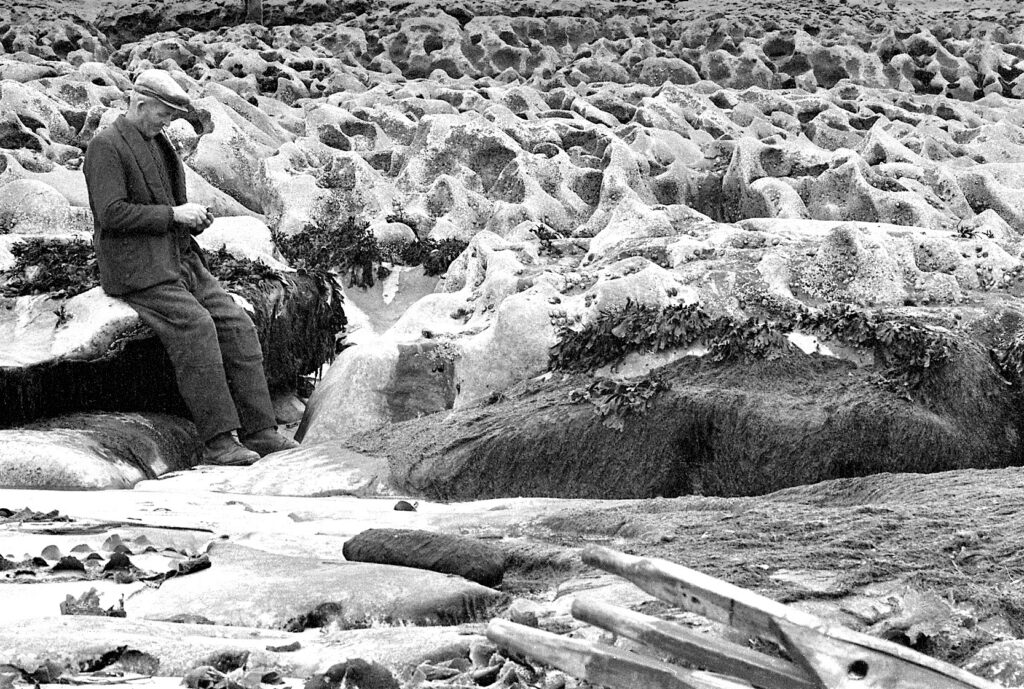
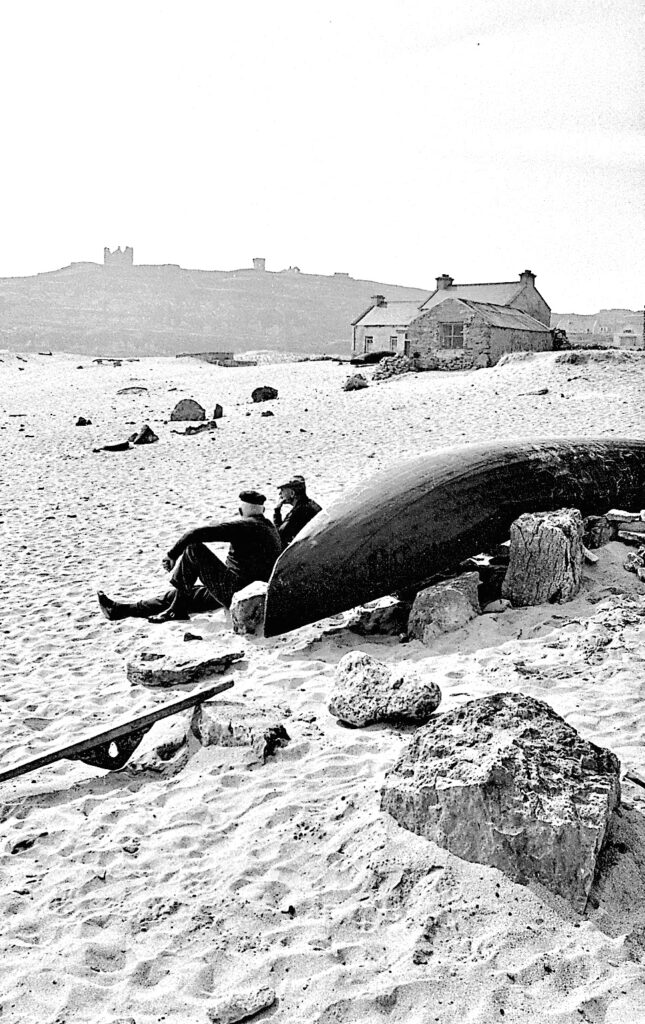
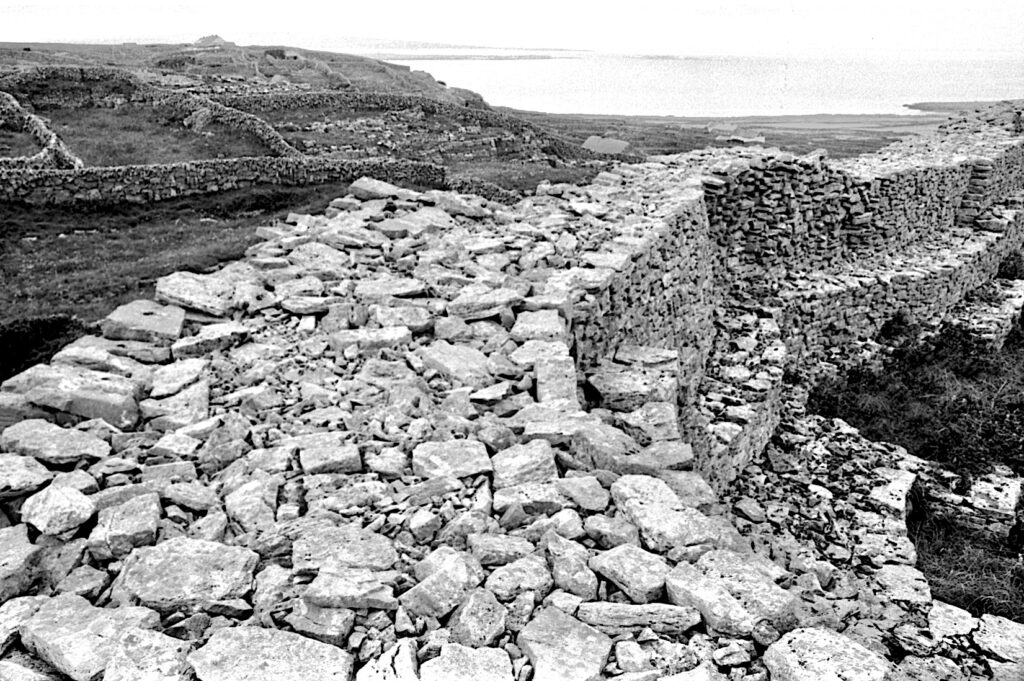
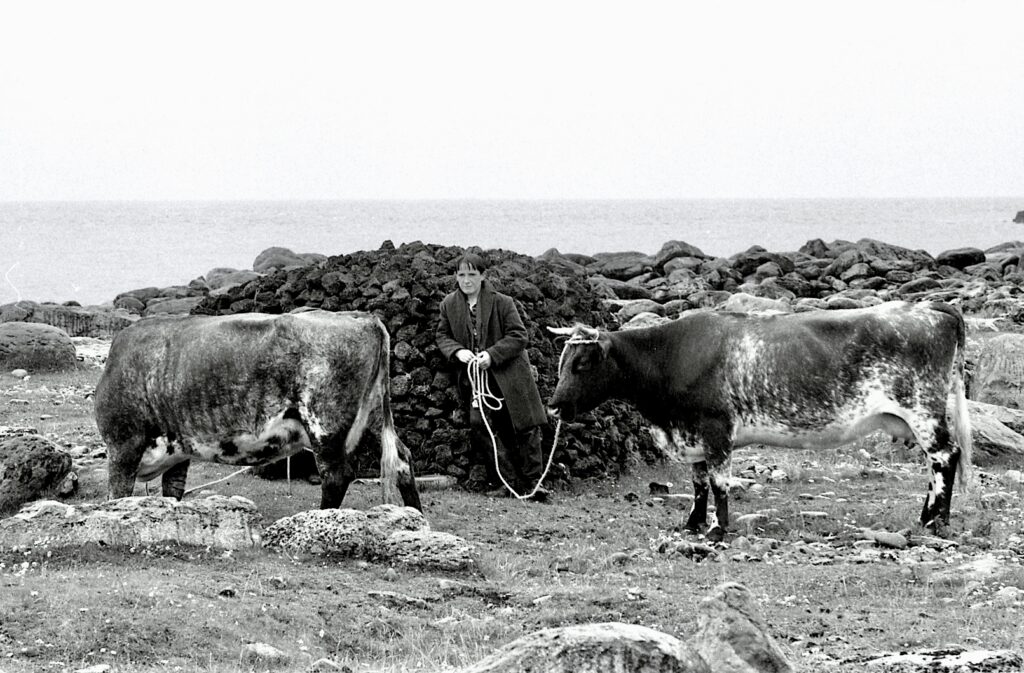
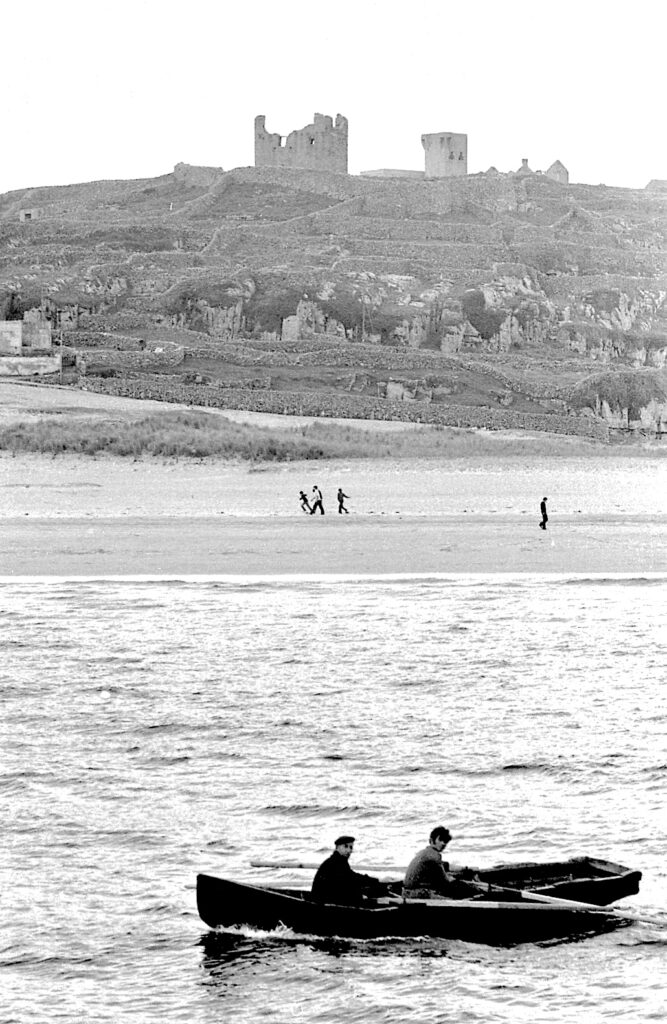
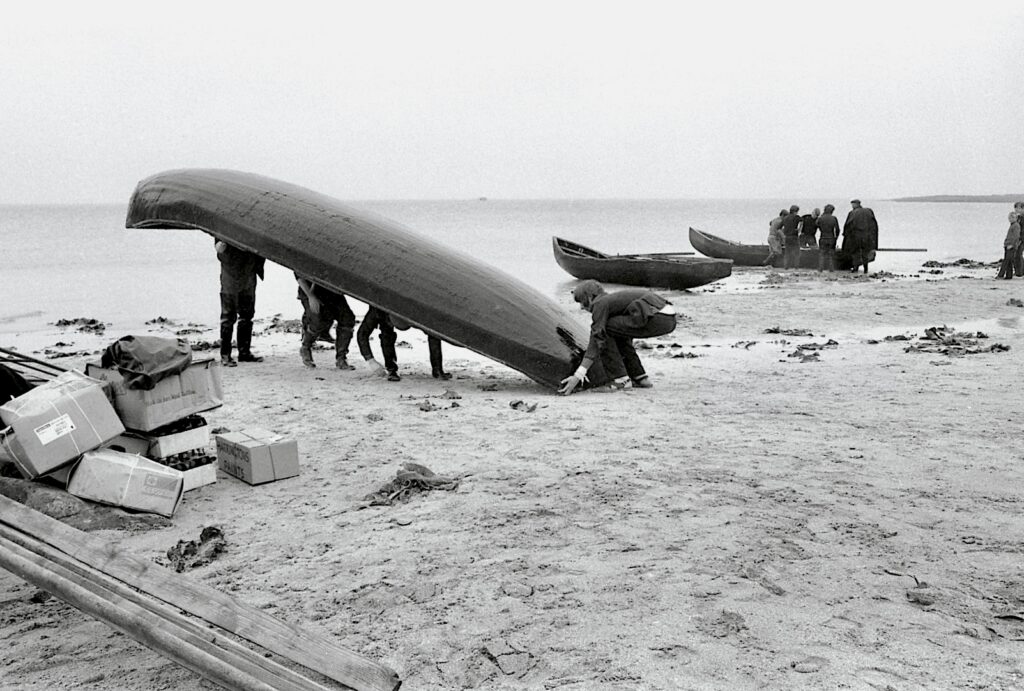
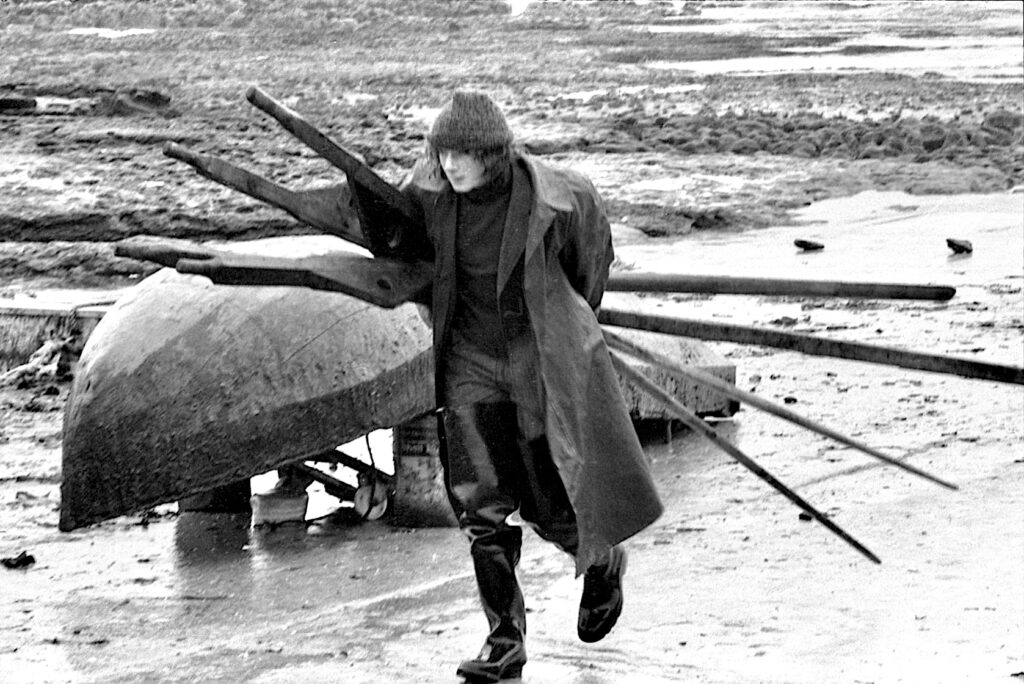
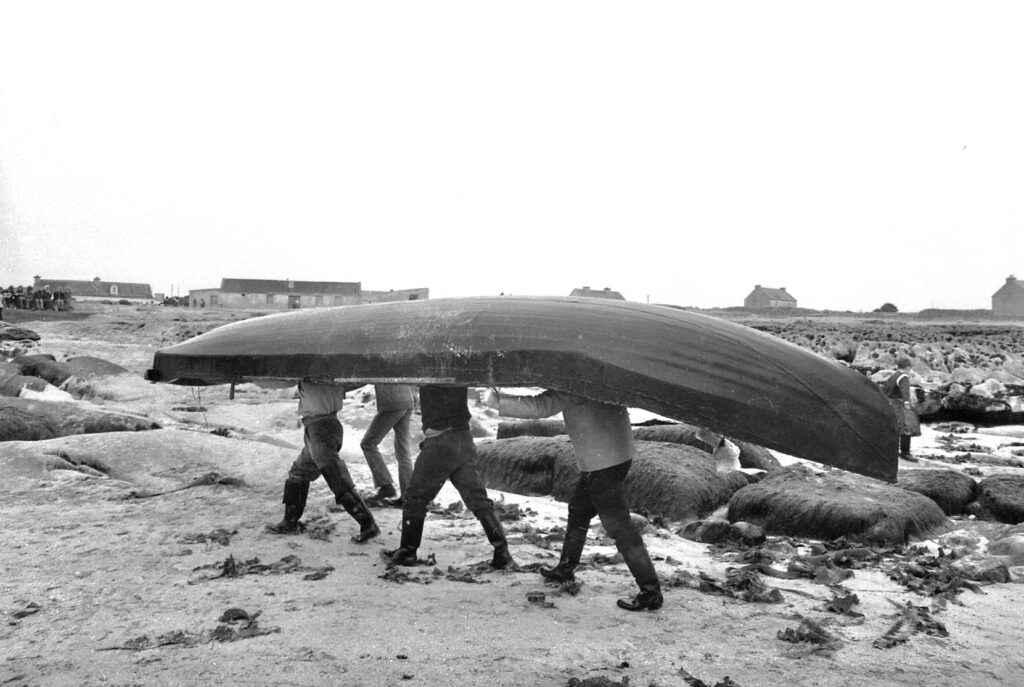
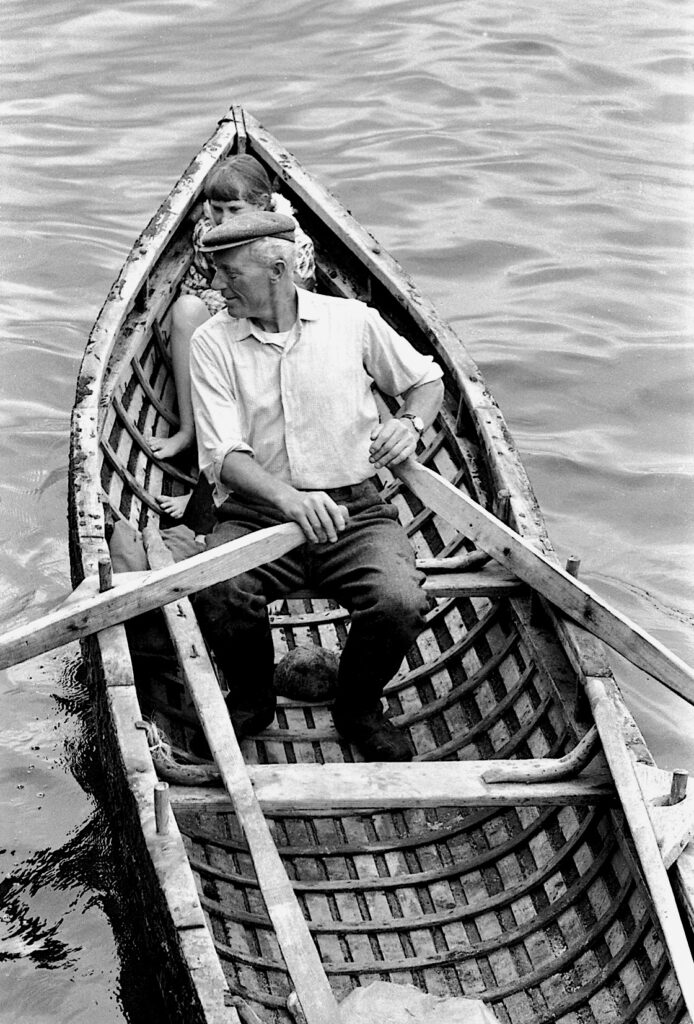
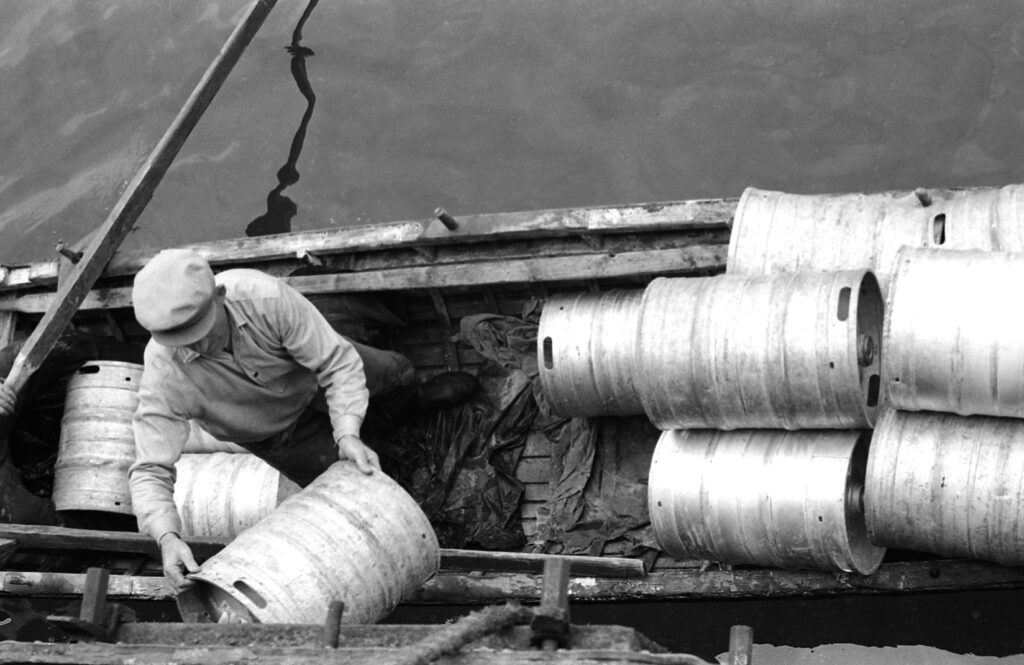
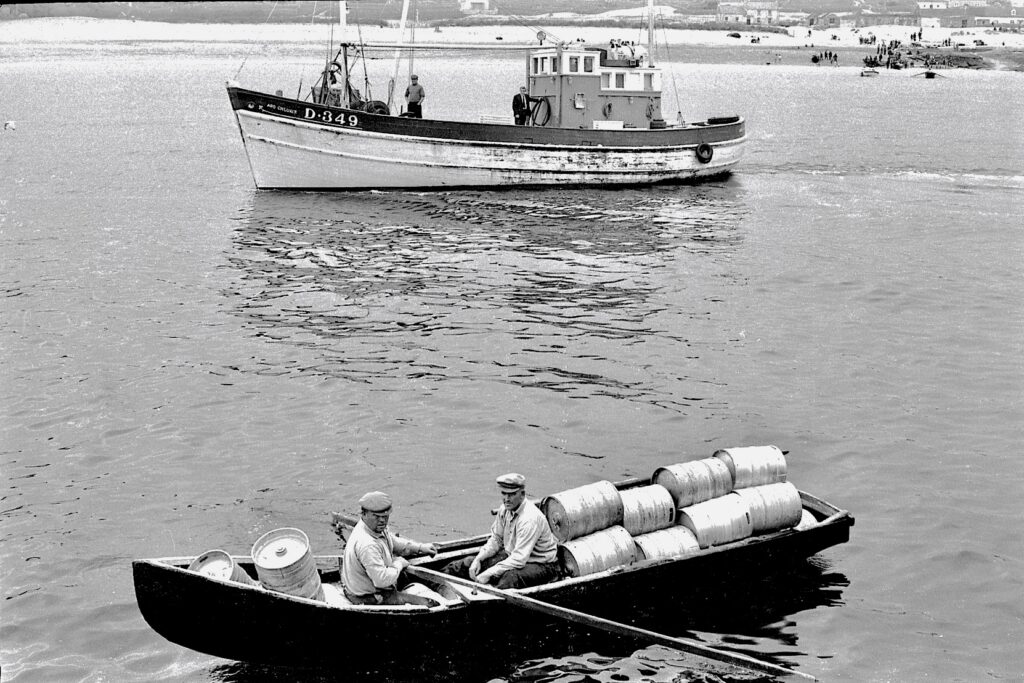
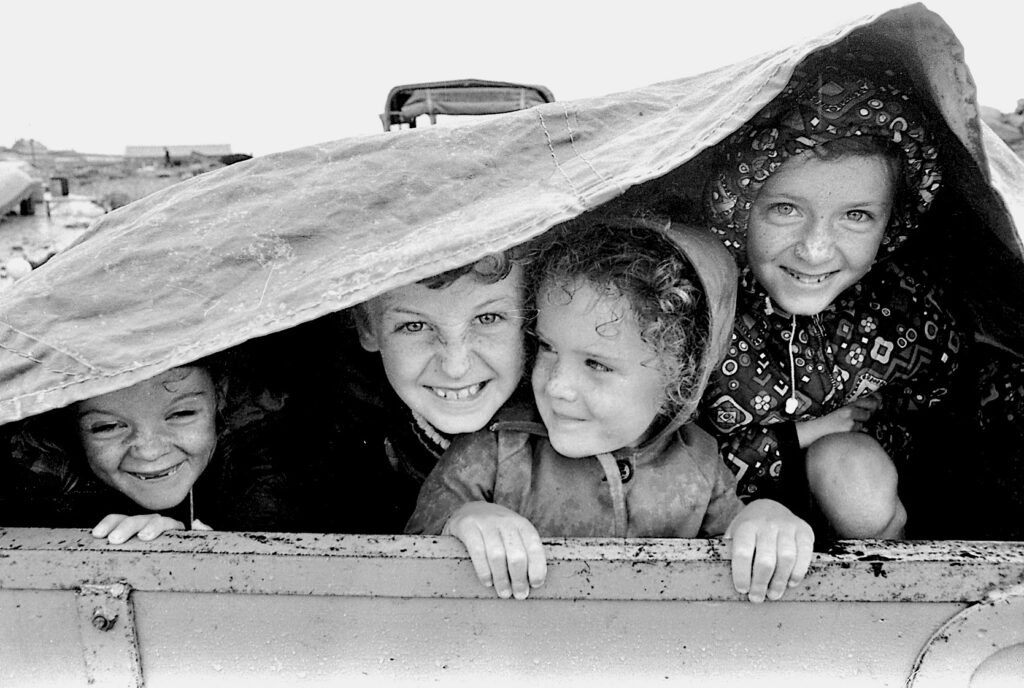
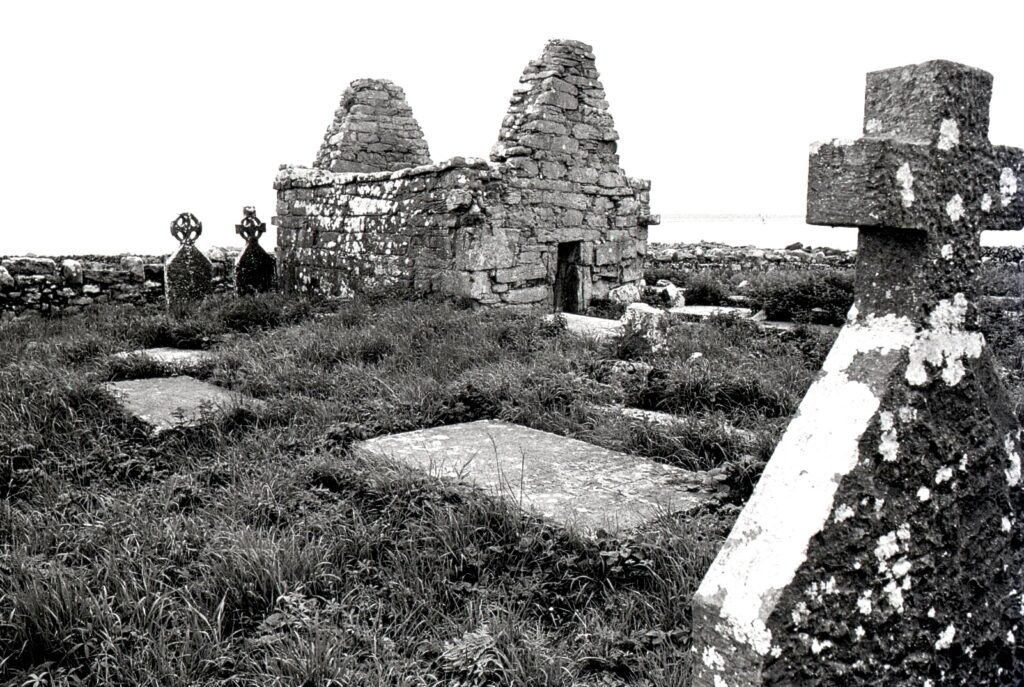
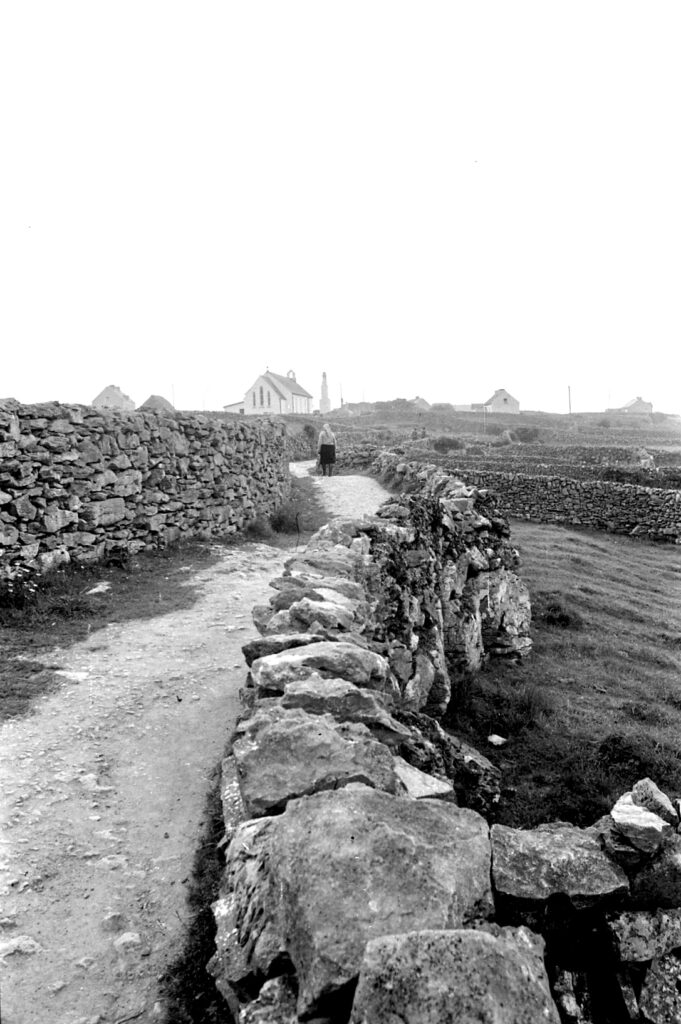
Mais l’Irlande possède une autre facette, rieuse, paisible, musicale, un peu folle. Mon retour dans les îles d’Aran, cinq ans après mon premier séjour, m’a apporté la preuve que le monde changeait lentement, au rythme des marées et des campagnes de pêche en currach, ces barques traditionnelles en peaux de bêtes, recouvertes de goudron, même si, cette fois, je n’ai pas assisté à la mise à l’eau forcée de vaches terrifiées, vouées à être inséminées ou montées par un taureau à Galway, sur le continent.
Go West young man !
Ireland is undoubtedly a sister to my native Brittany. But when I arrived in Belfast, all I sensed was a seething hatred between the two religious communities, which were incapable of coexisting. The British army, with varying degrees of impartiality, tried in vain to separate the warring factions. The deployment of Scottish regiments – who, like the Irish, spoke a Celtic language – never really helped to calm tempers.
The children, particularly those from the Catholic ghettos, steeped in the chaos of a simmering civil war, struck me as incredibly arrogant towards the soldiers, who feigned indifference.
Each community marched in its own corner: the Protestant Orangemen, stuck in the 18th century, and the IRA members, in berets and dark glasses, with an almost military bearing and discipline. Impressive.
But Ireland has another side to it: cheerful, peaceful, musical, a little mad. My return to the Aran Islands, five years after my first visit, proved to me that the world was changing slowly, to the rhythm of the tides and the fishing trips in currachs – those traditional boats made of animal hides and coated in tar – even though, on this occasion, I didn’t witness the forced launching of terrified cows, destined to be inseminated or mounted by a bull in Galway, on the mainland.