Comme pour le patient zéro en cas de contagion pandémique, il existe forcément un premier négatif, la photo primale comme un cri, celle fondatrice d’une passion en devenir.
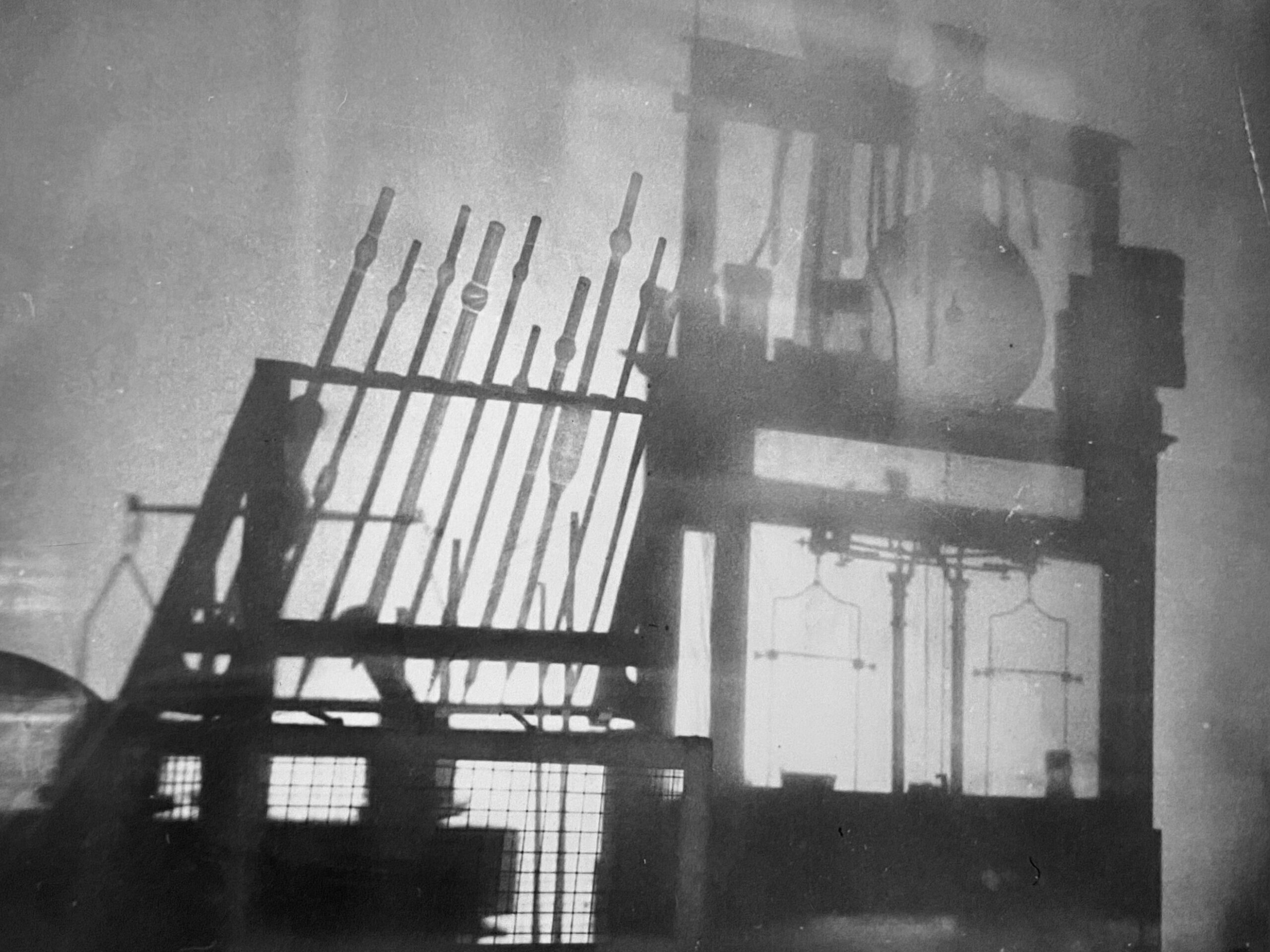
En ce qui me concerne, le cliché zéro de mon Rolleiflex, acquis en 1966, a sans doute été la vitrine translucide d’une pharmacie, avec éprouvettes et pipettes en contrejour, située à l’angle de la rue Dulong et de la rue Legendre, dans le XVIIe arrondissement de Paris, non loin du domicile de mes parents.
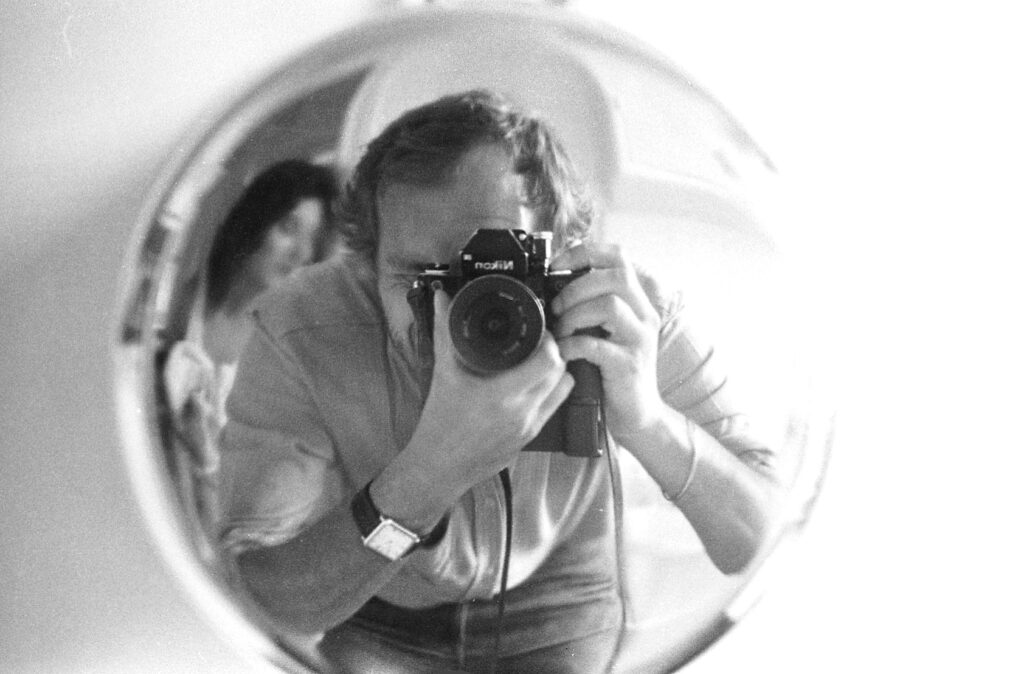
Outre le Leica et le Contax de Robert Capa, son Rolleiflex me faisait rêver.
J’ai travaillé un mois d’août comme mécanographe dans une usine de peintures d’Aubervilliers pour m’en offrir un.
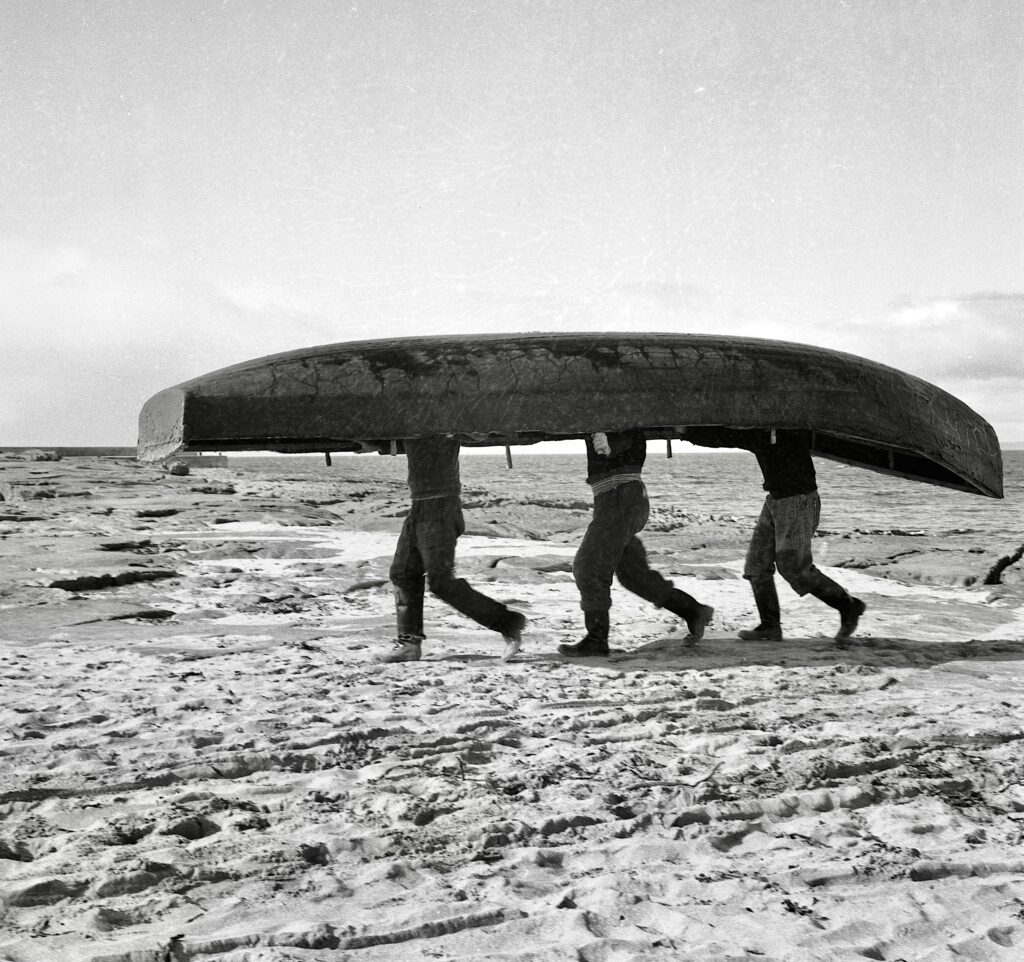
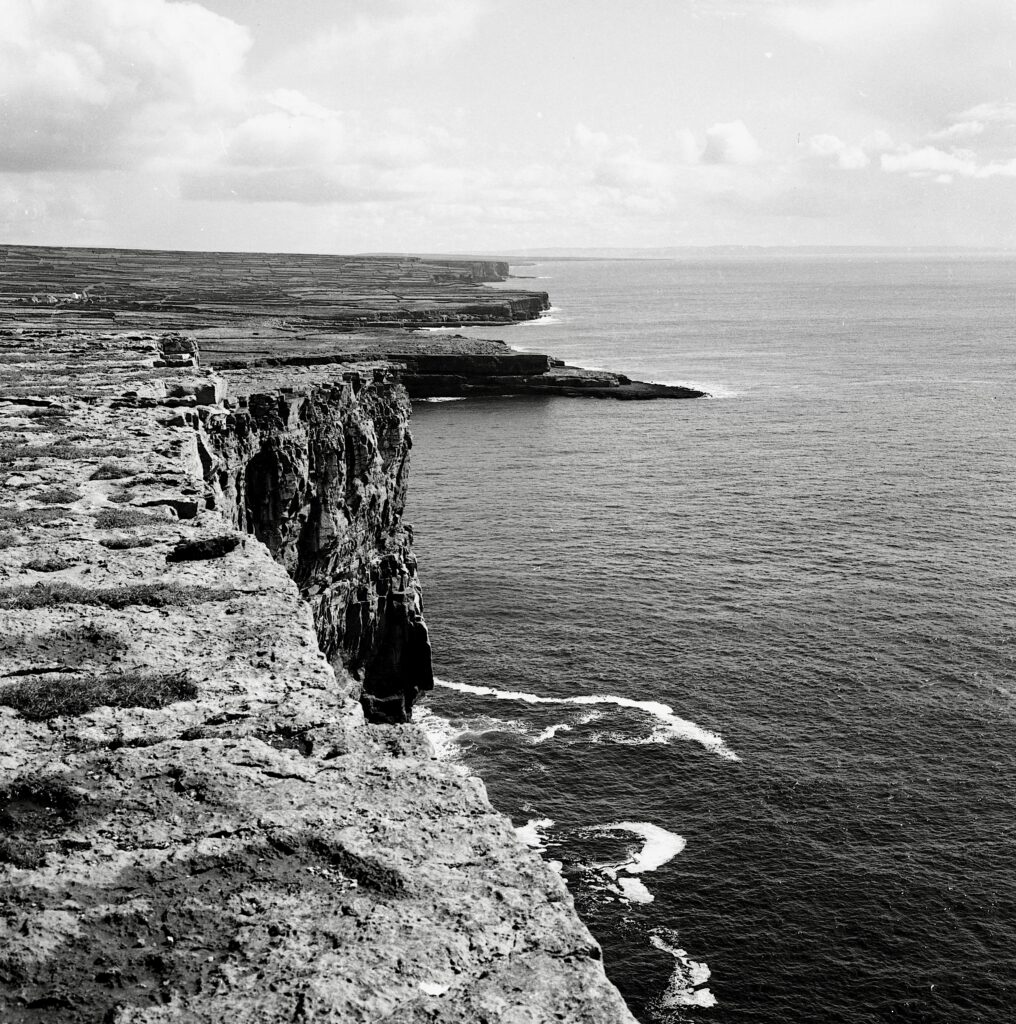
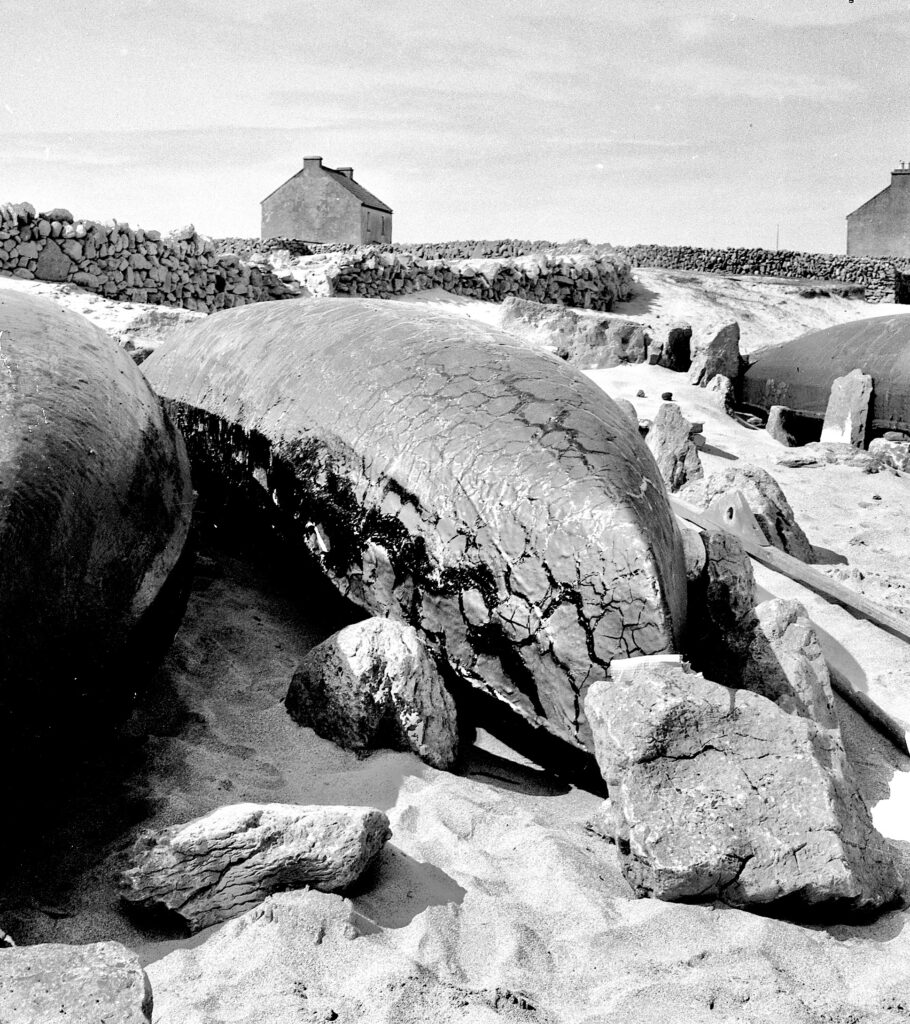
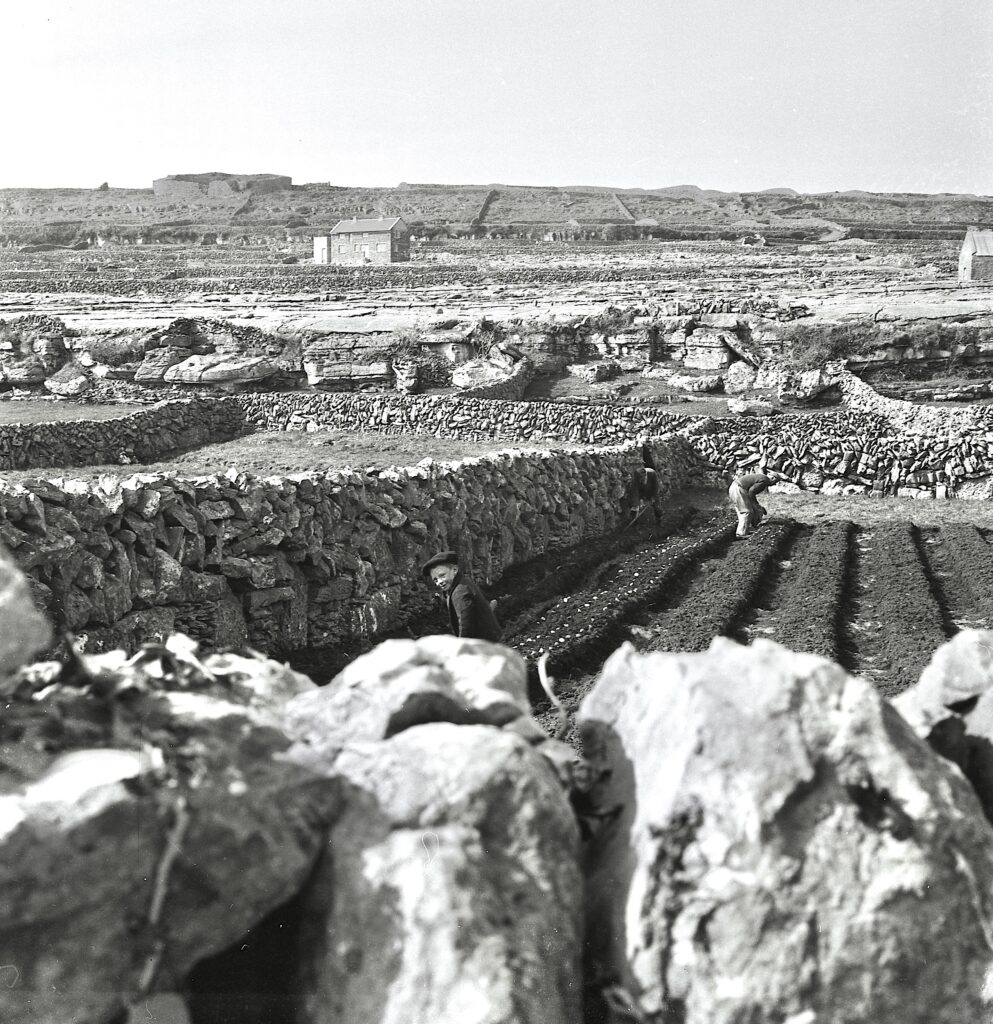
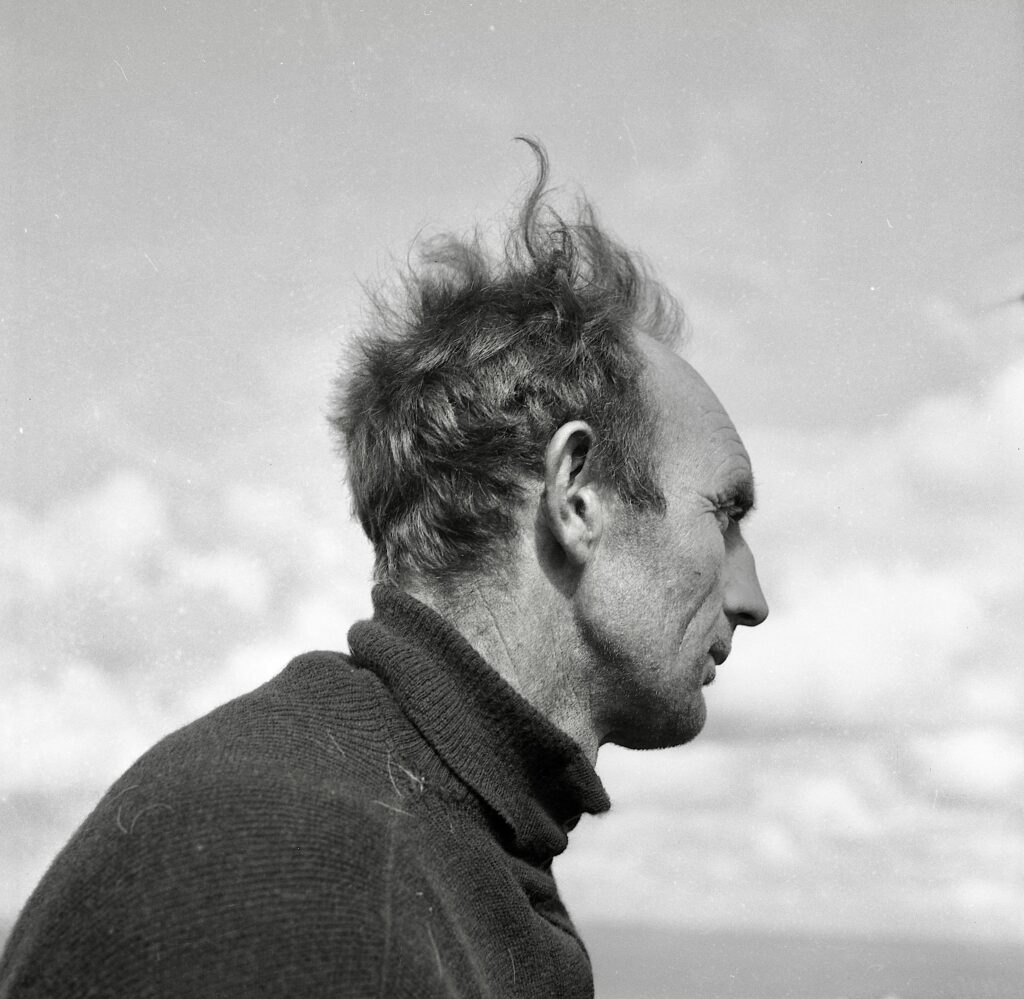
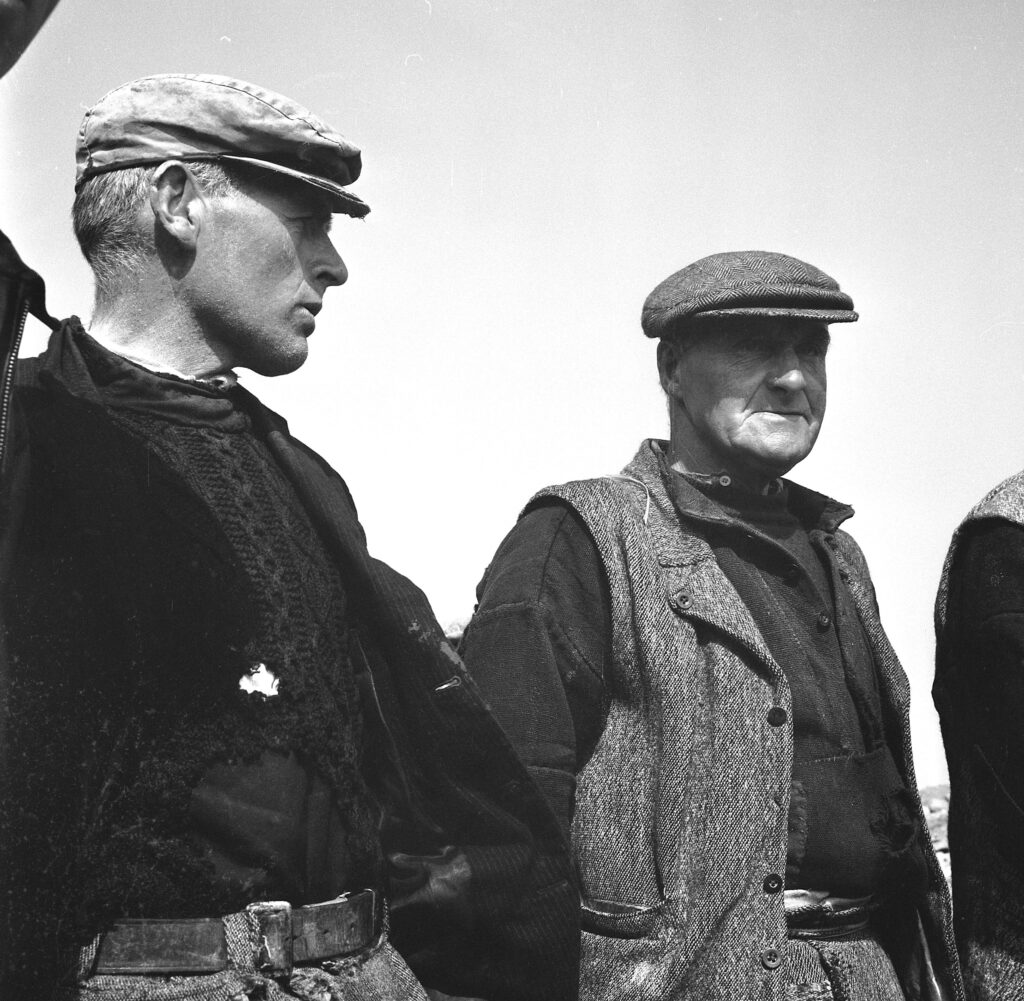
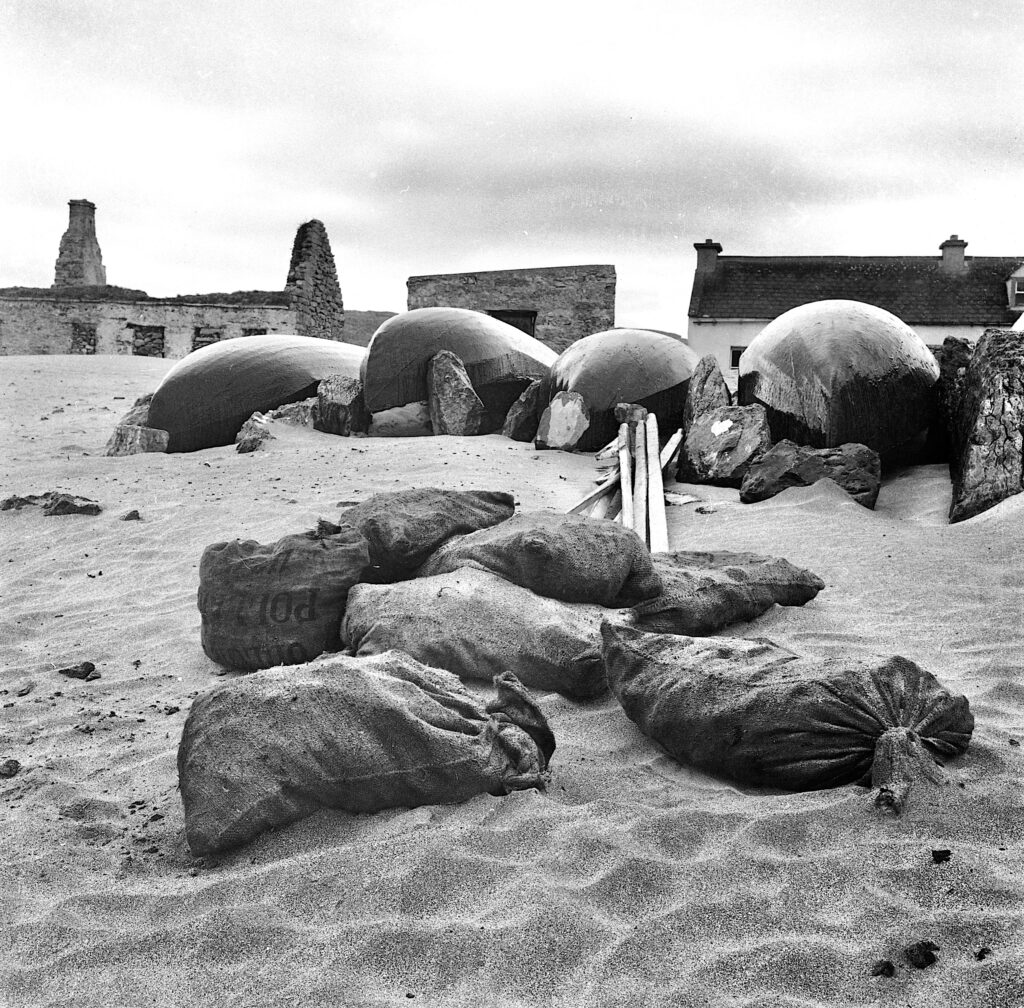
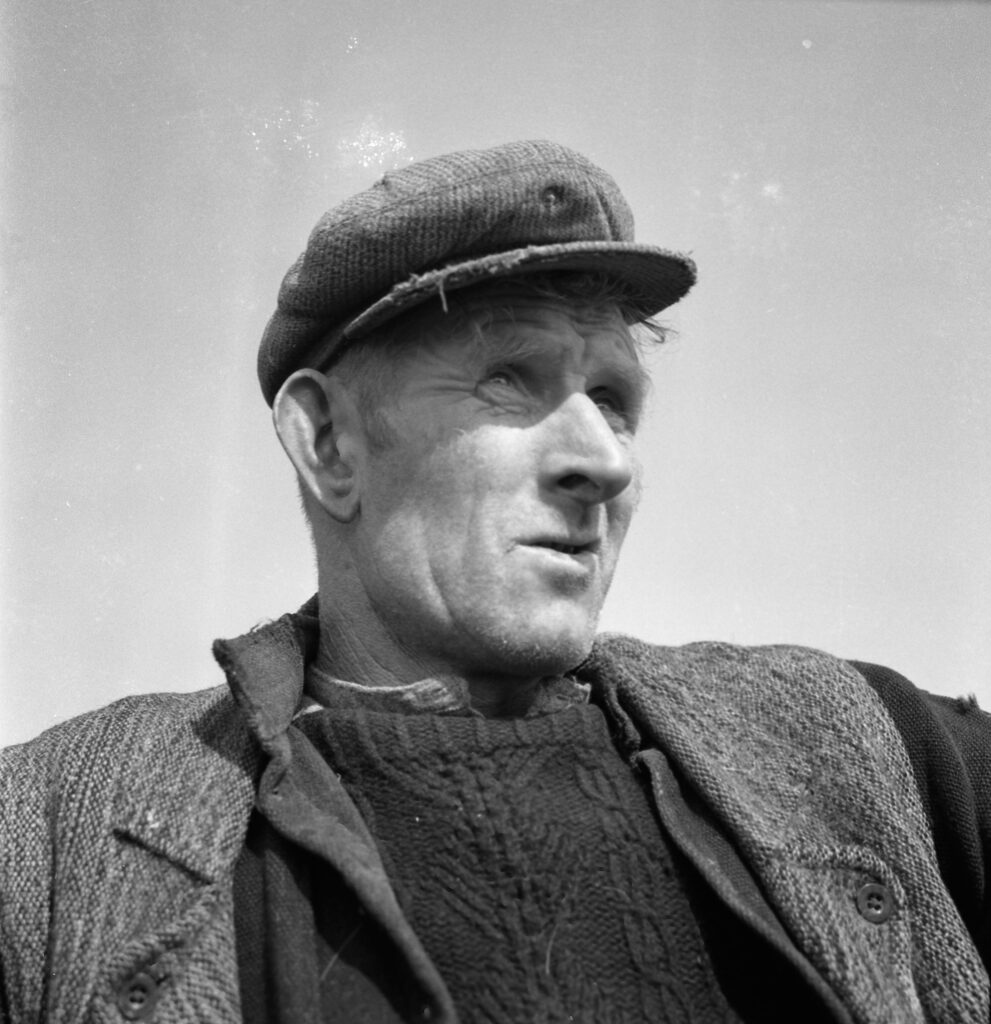
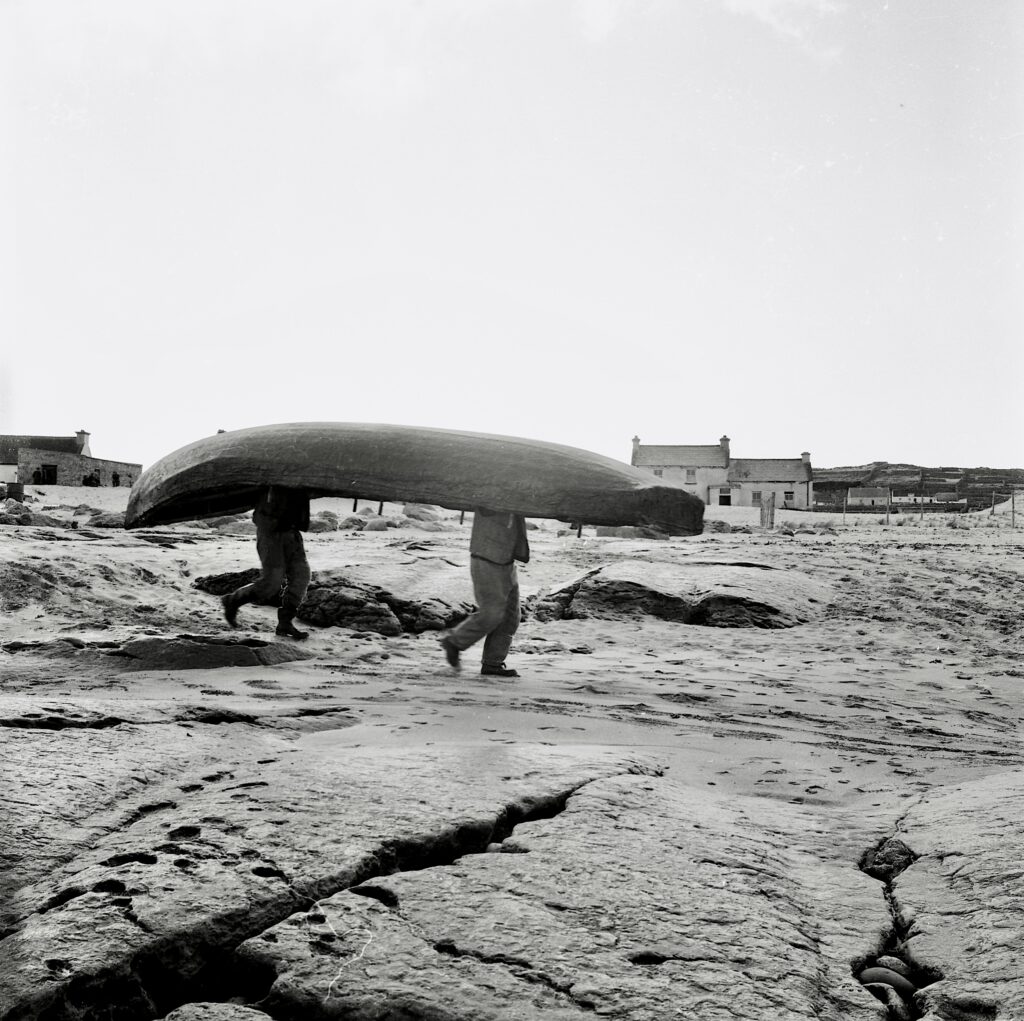
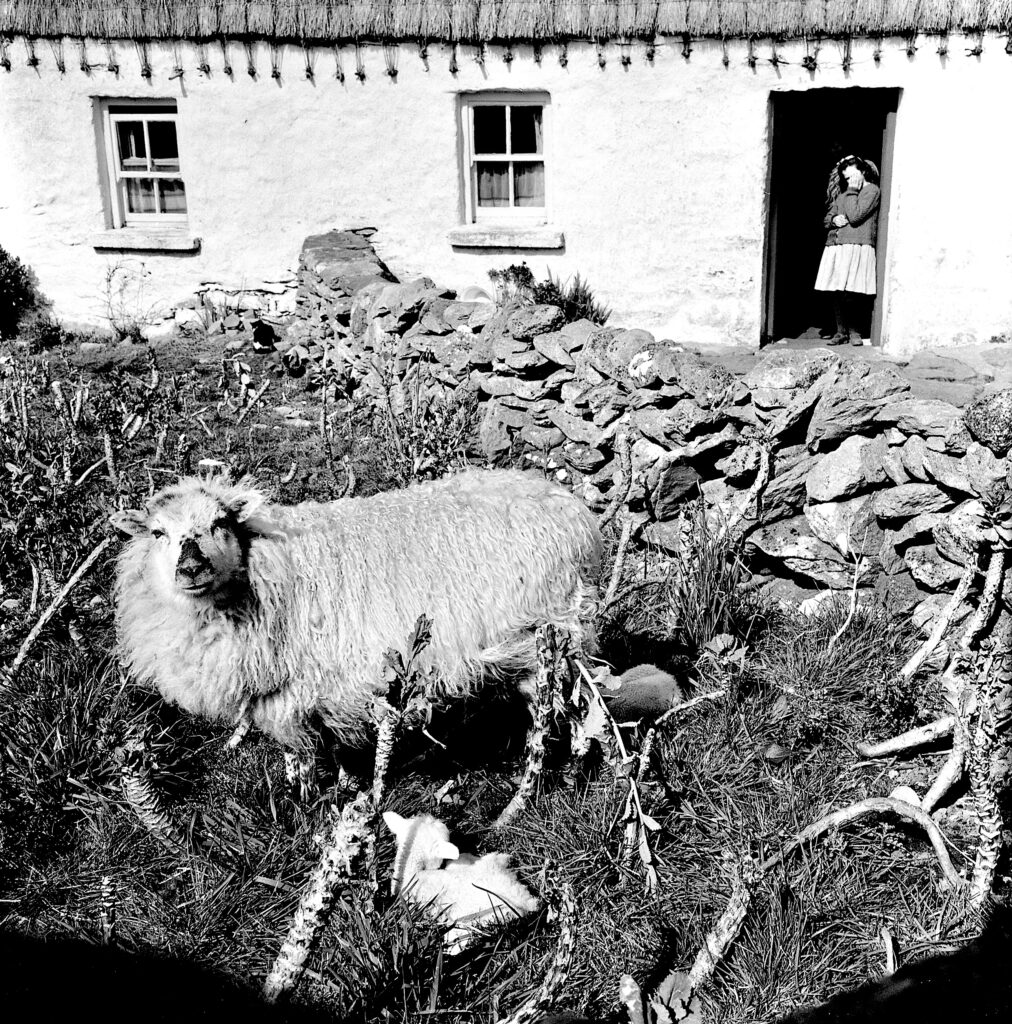
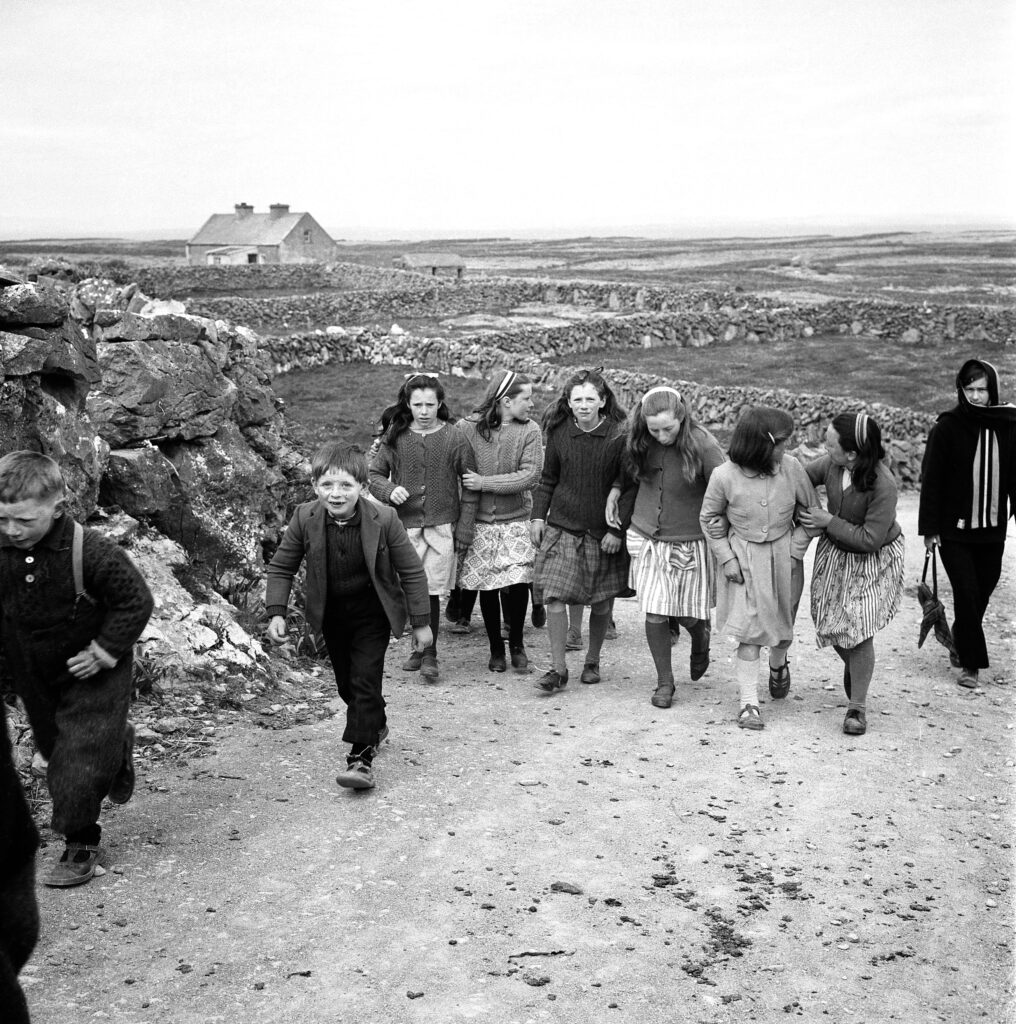
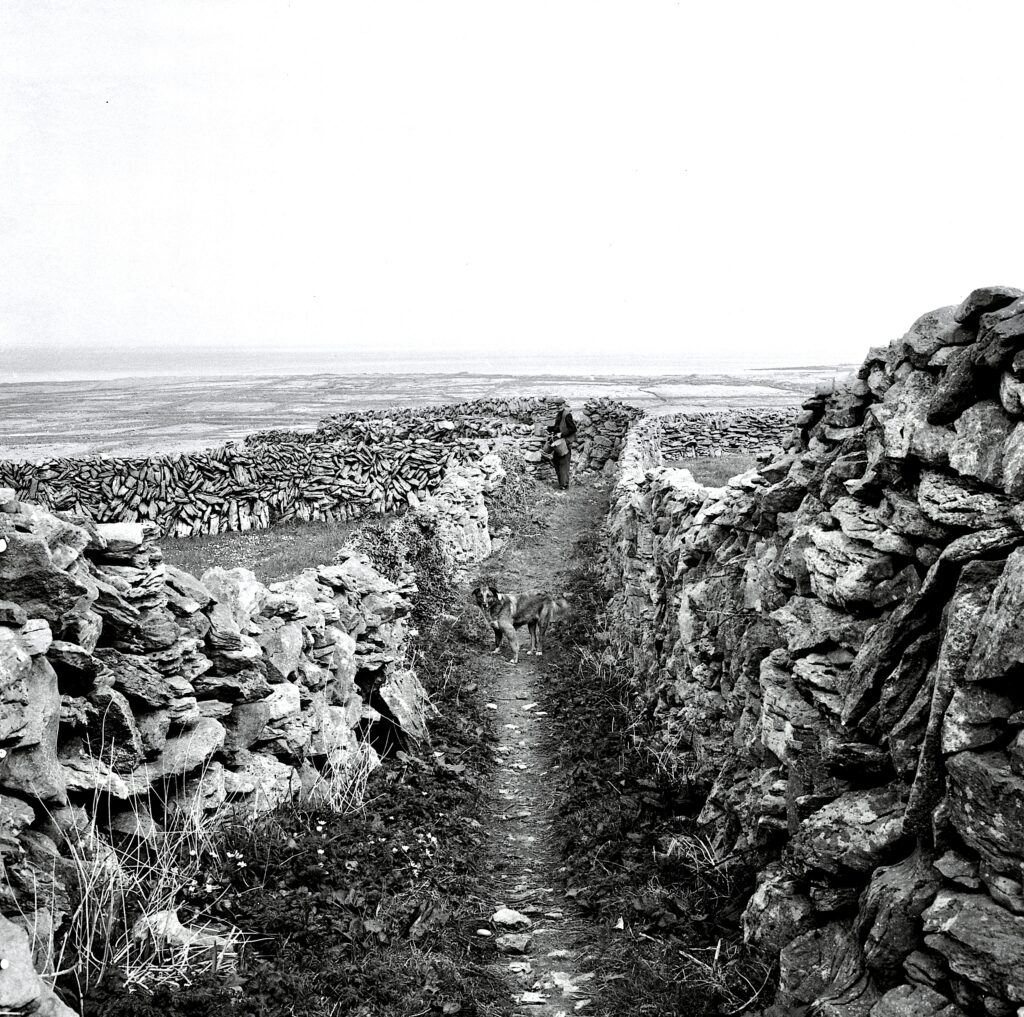
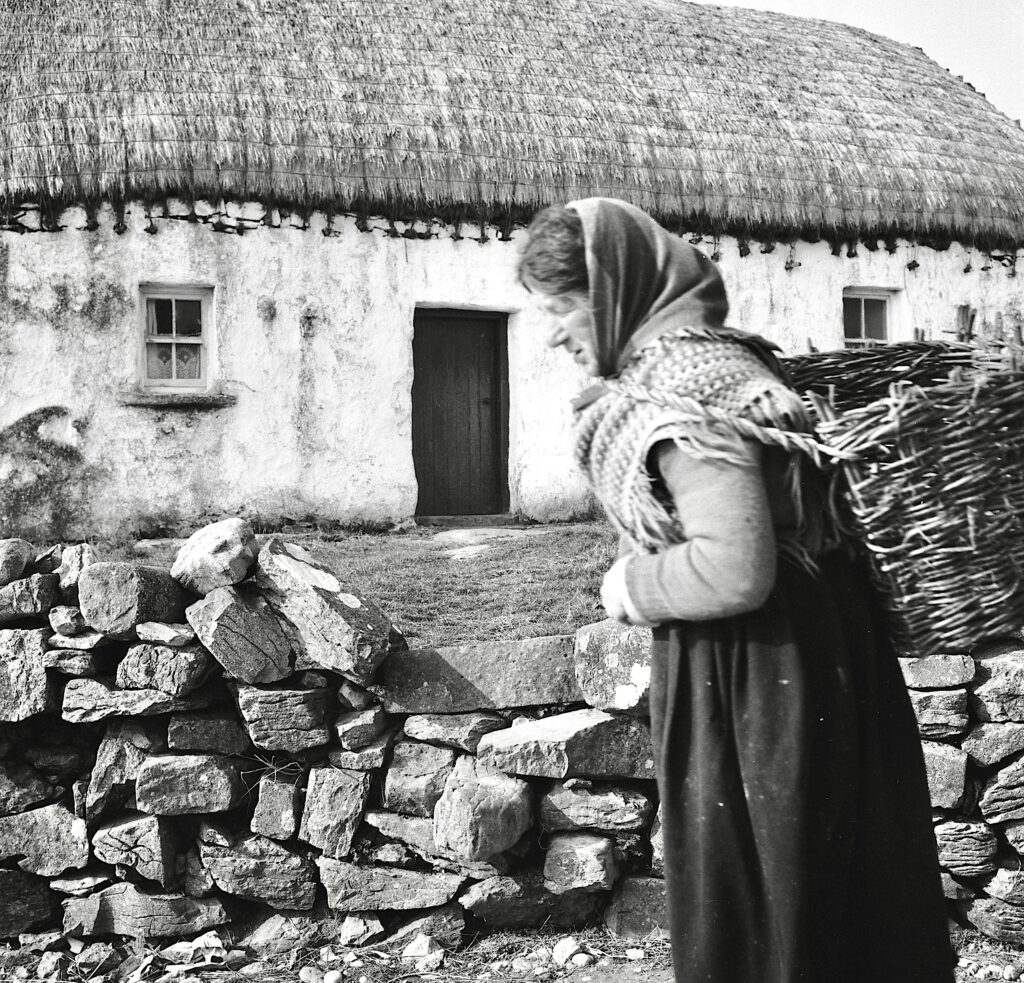
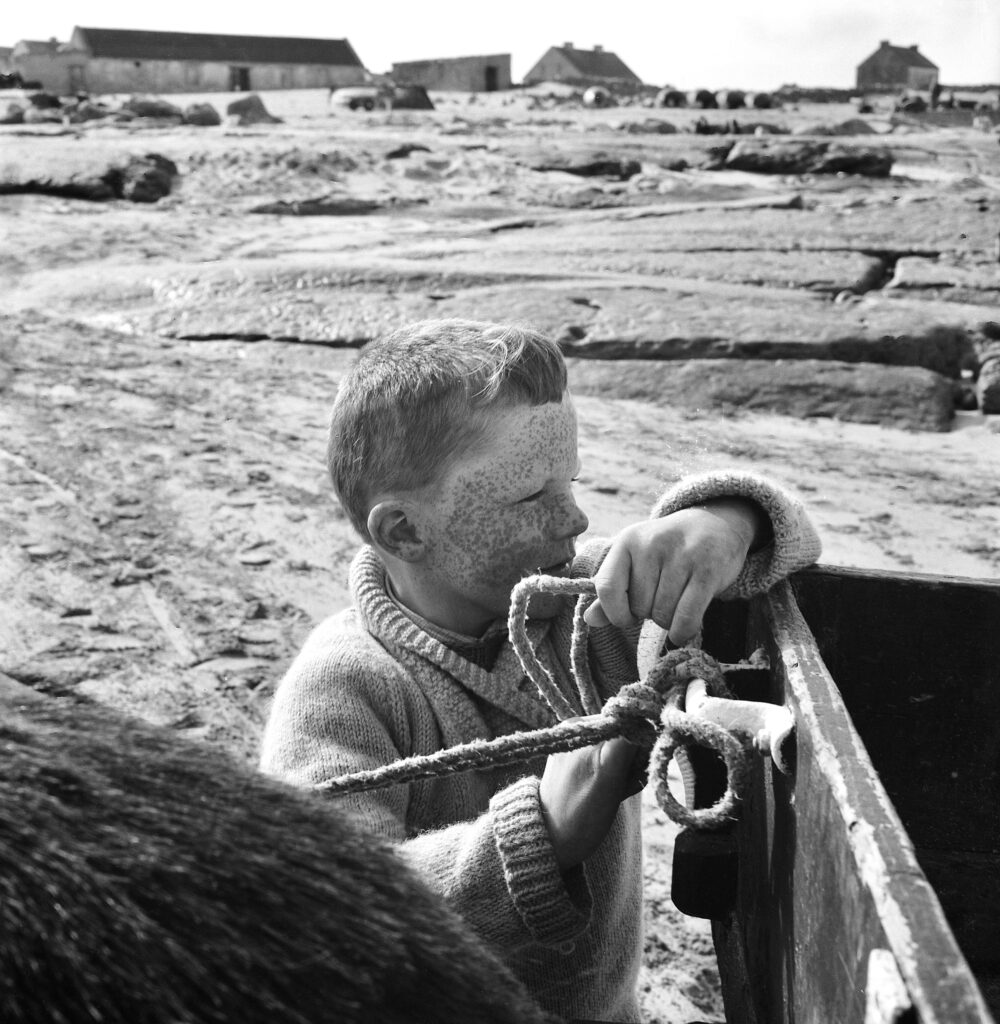
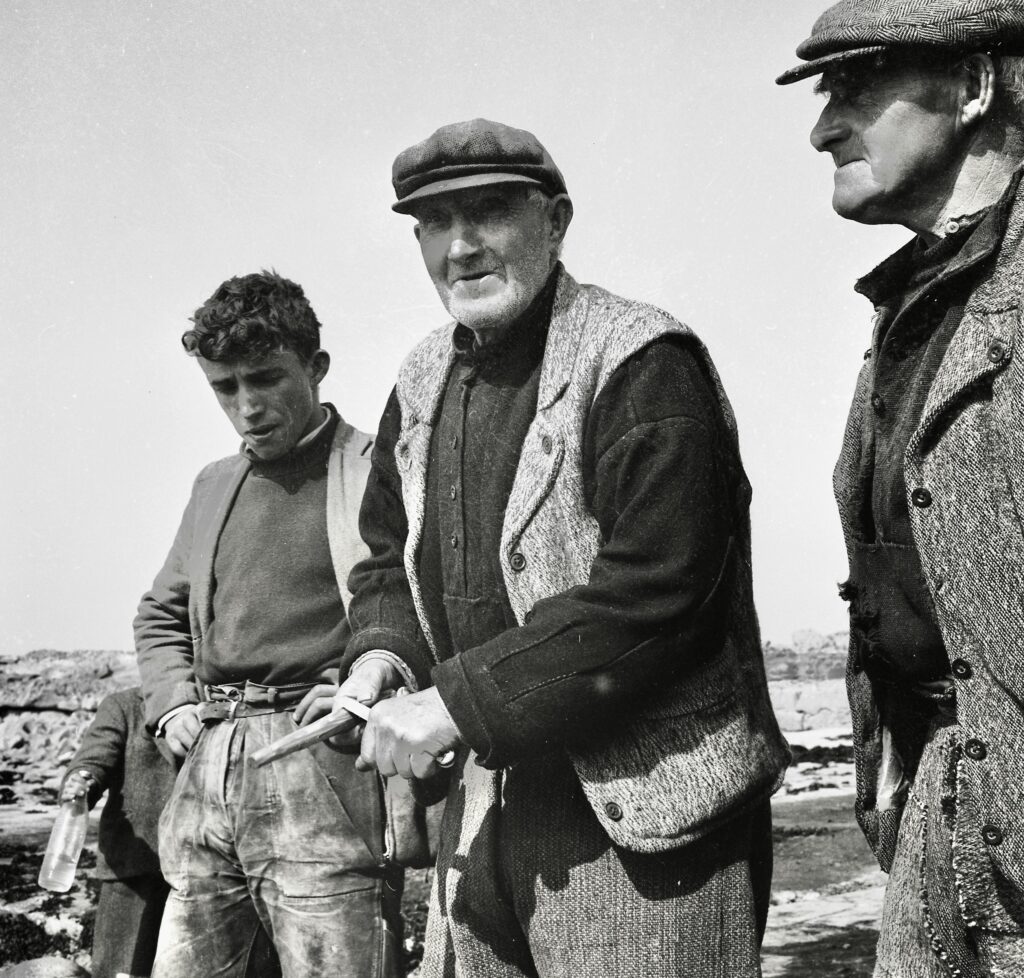
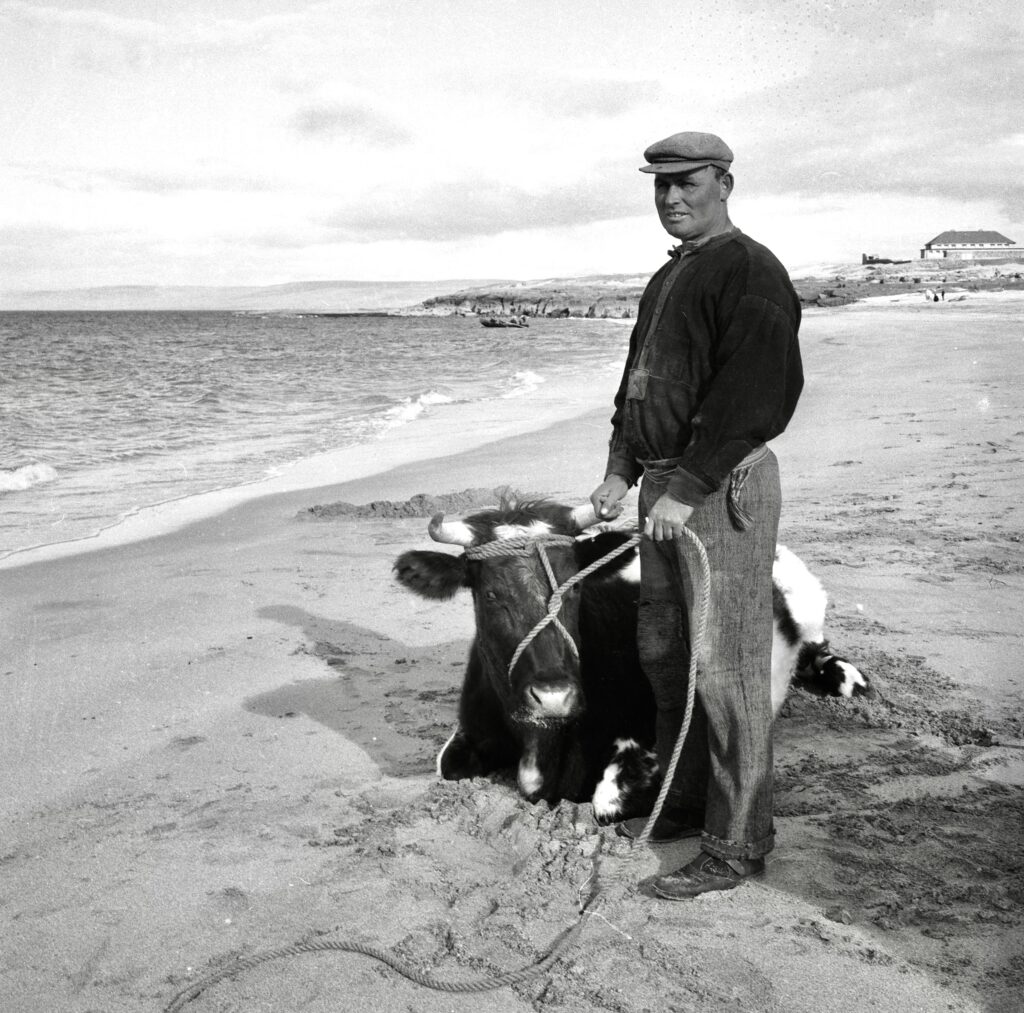
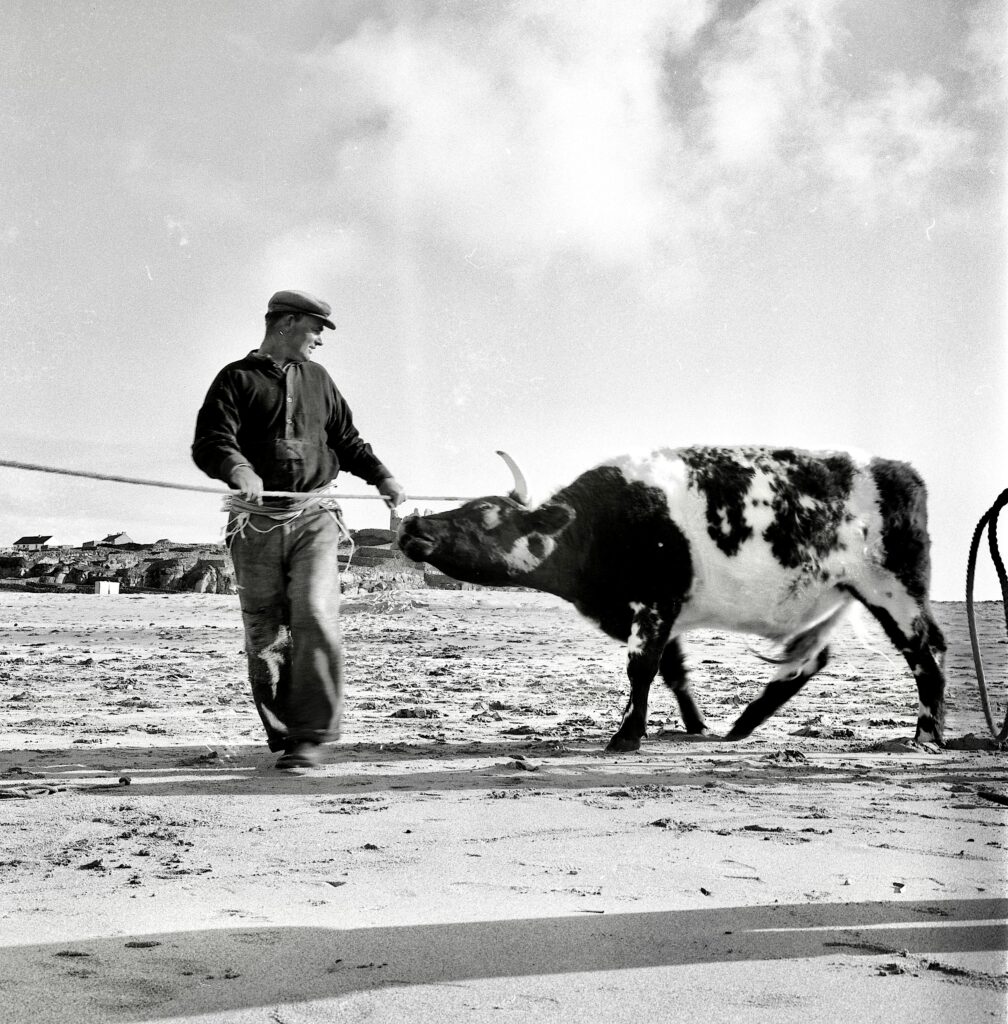
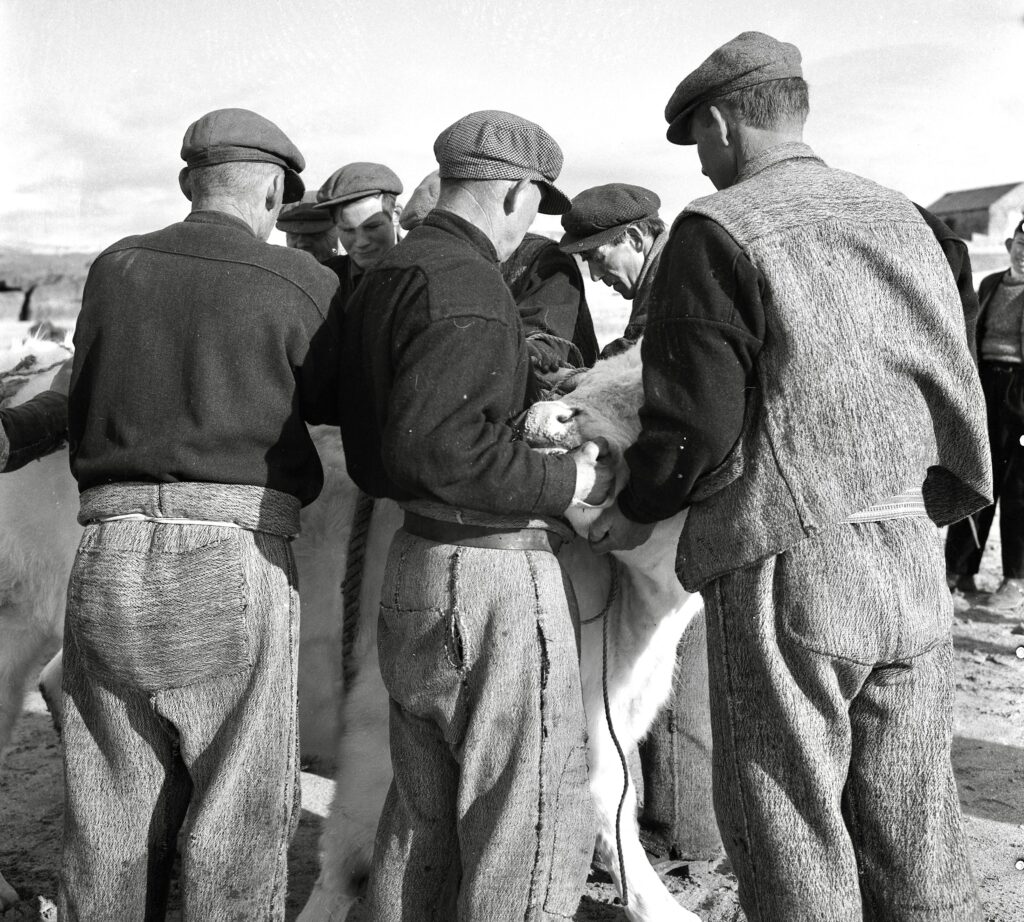
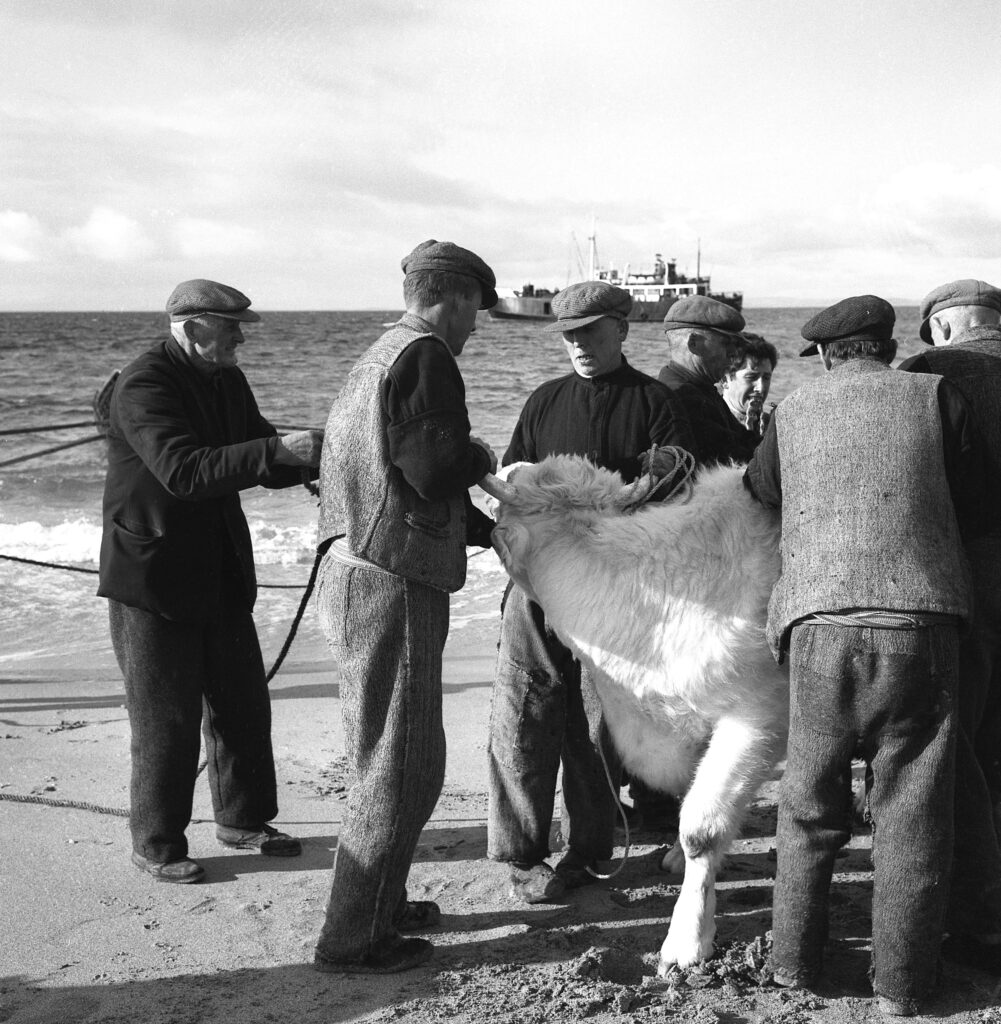
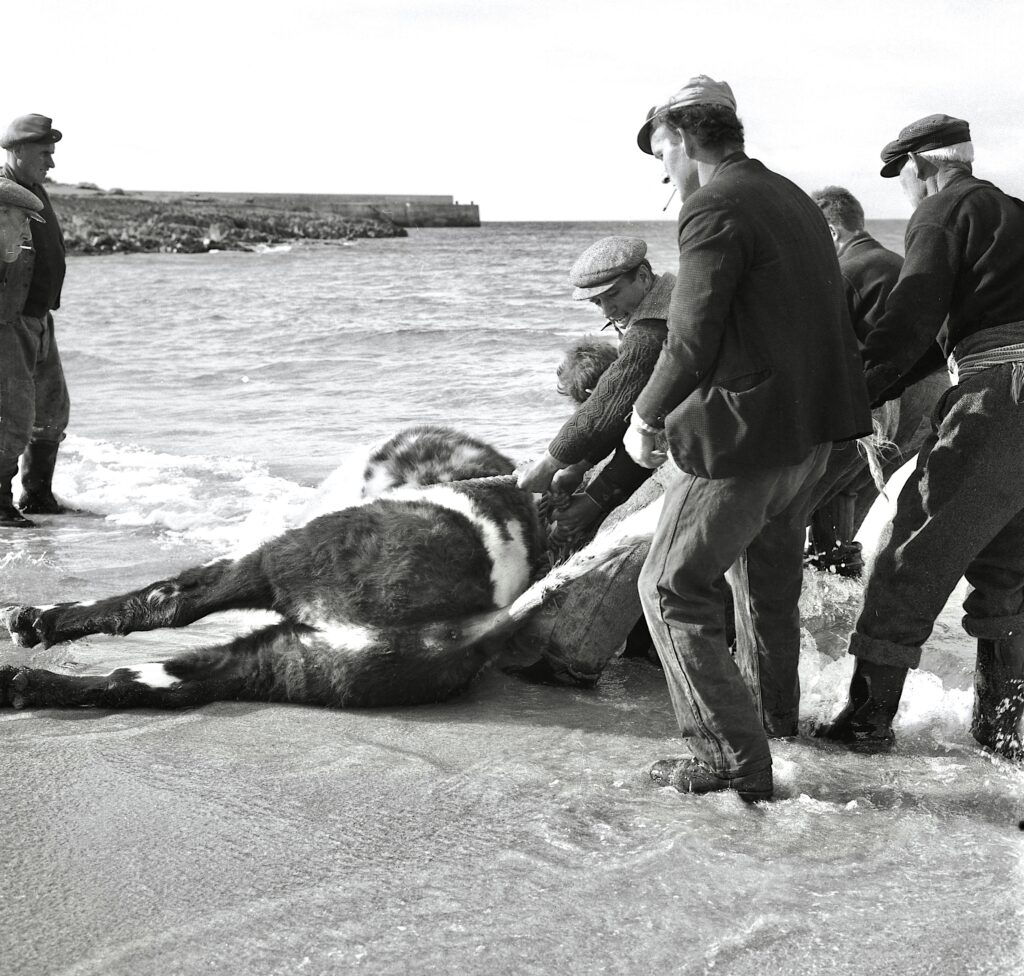
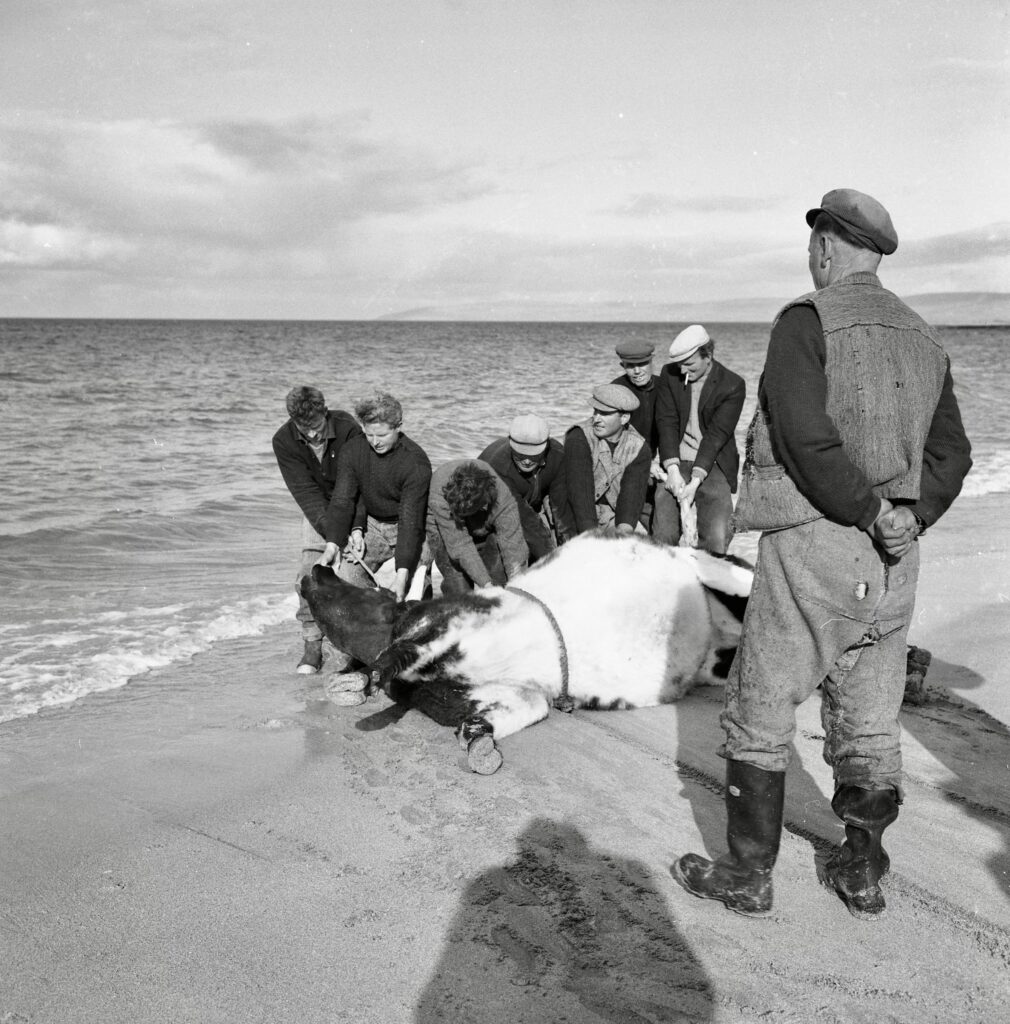
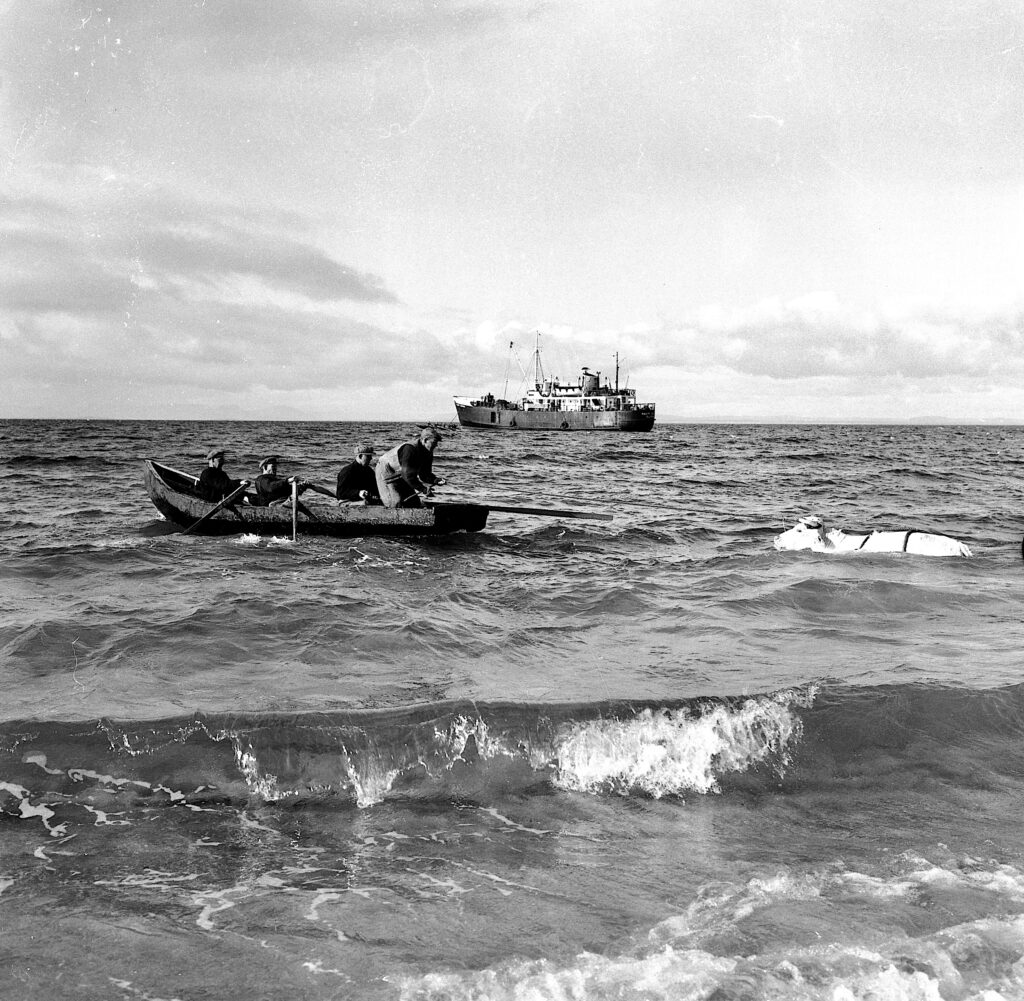
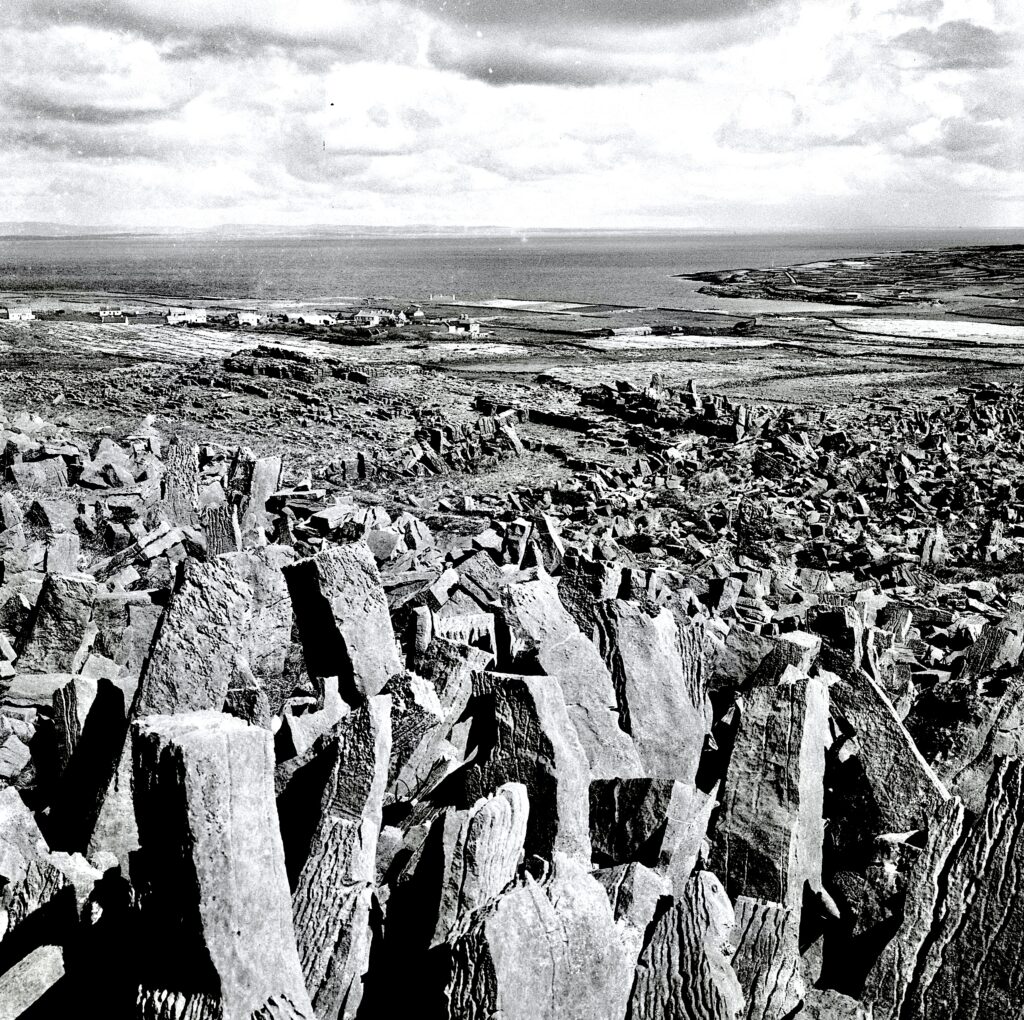
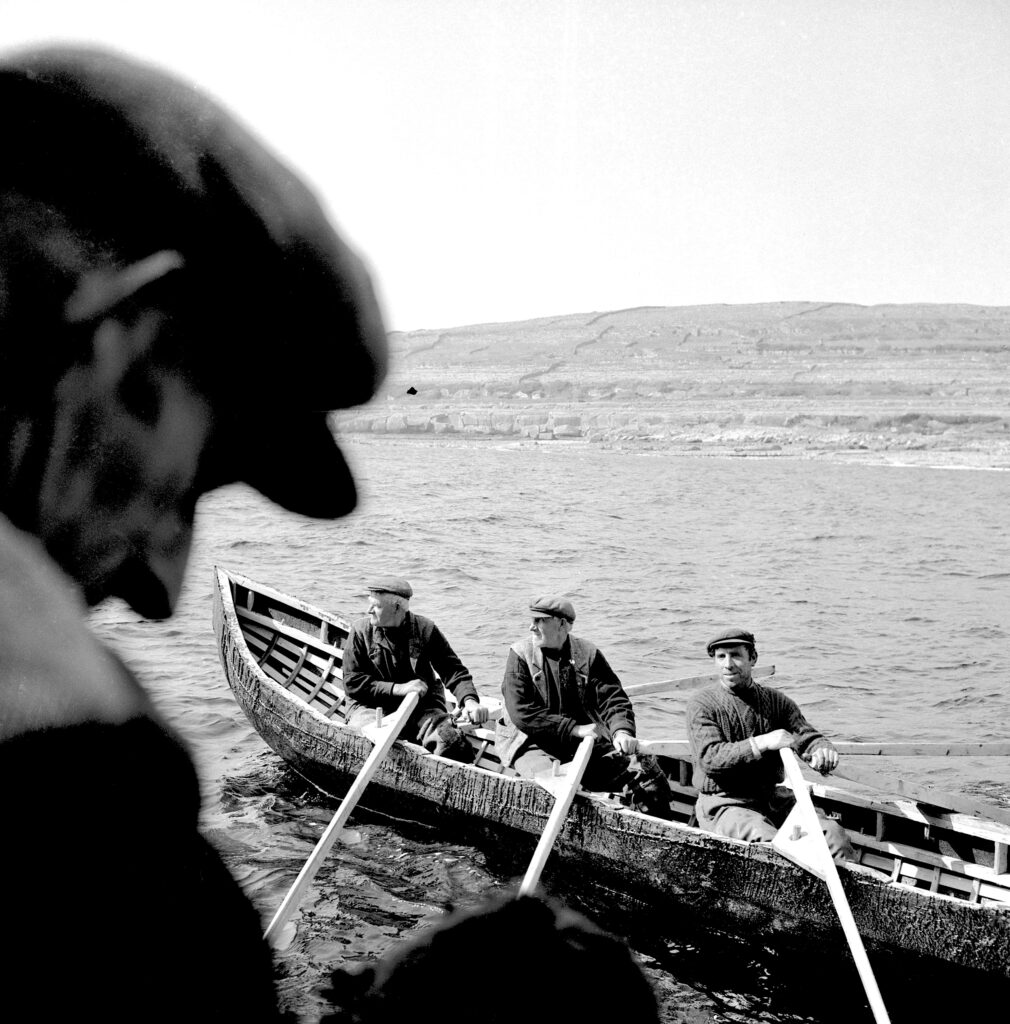
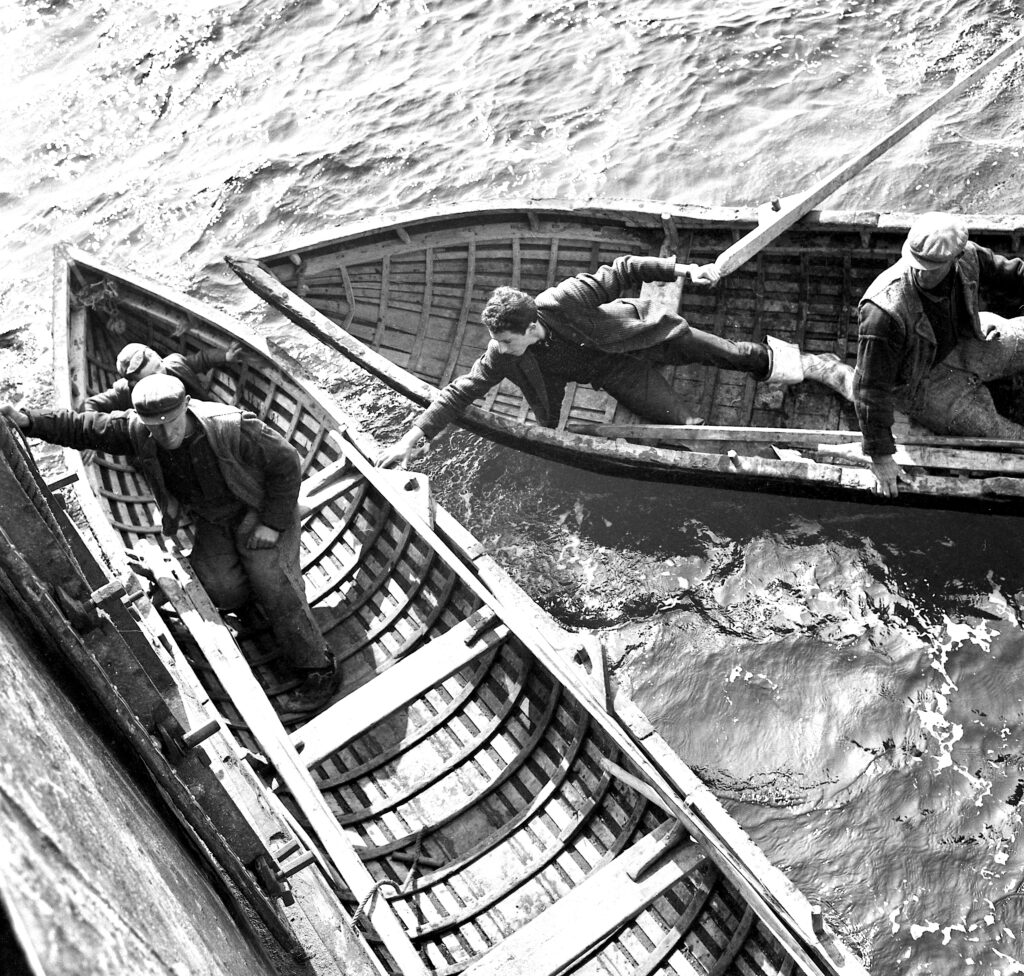
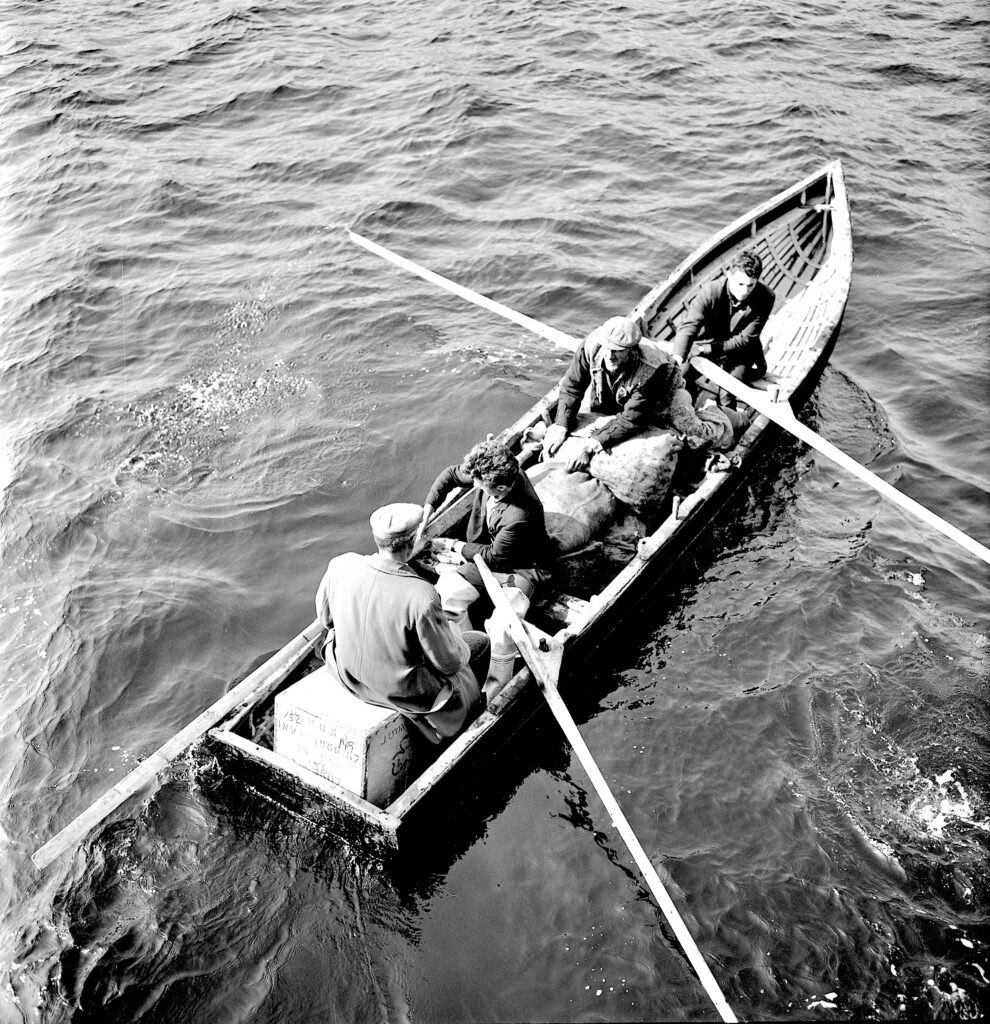
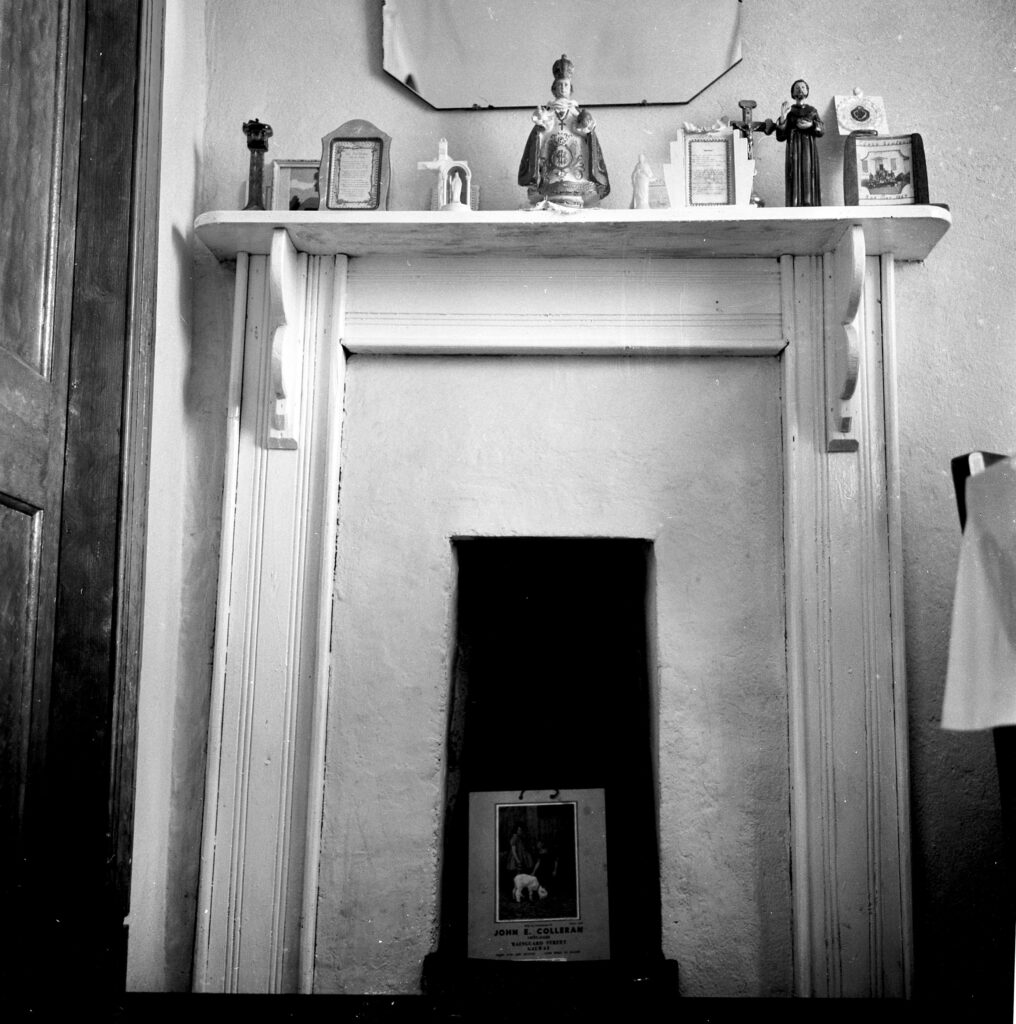
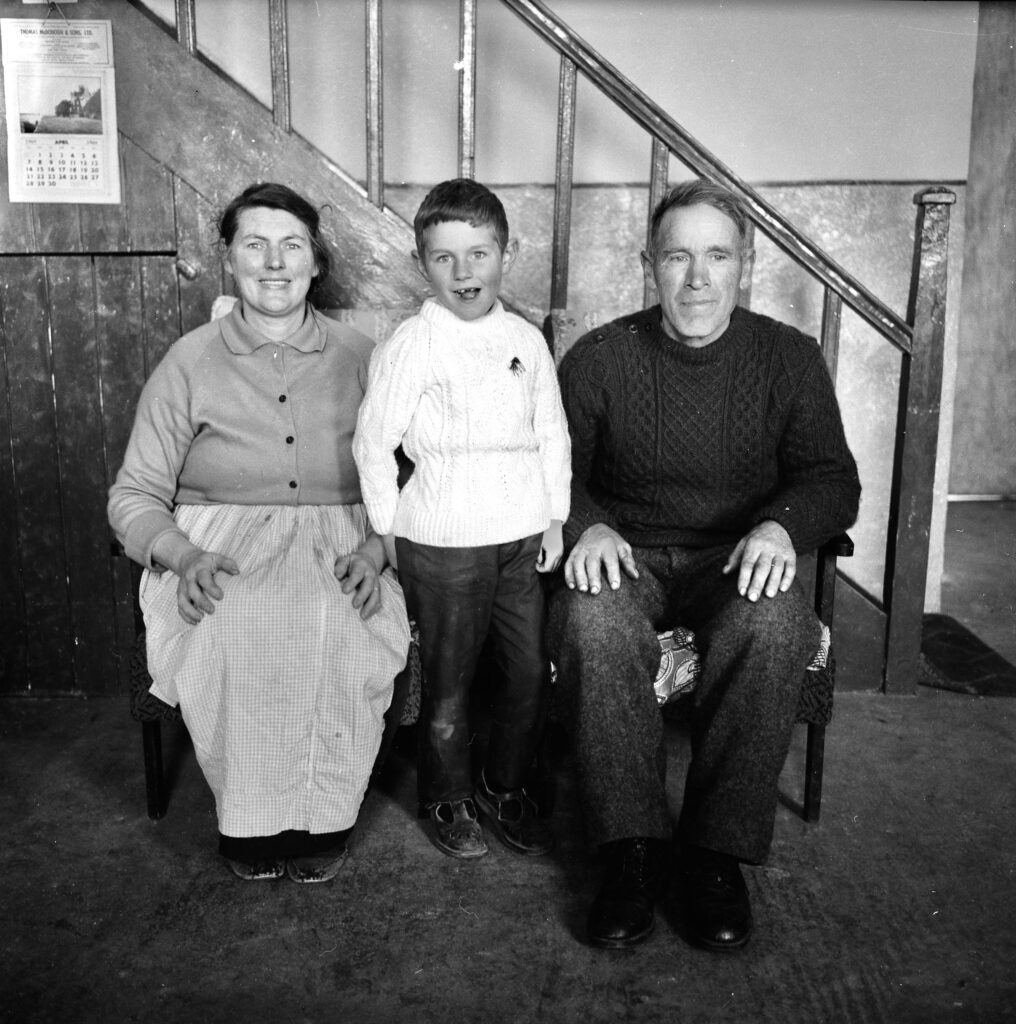
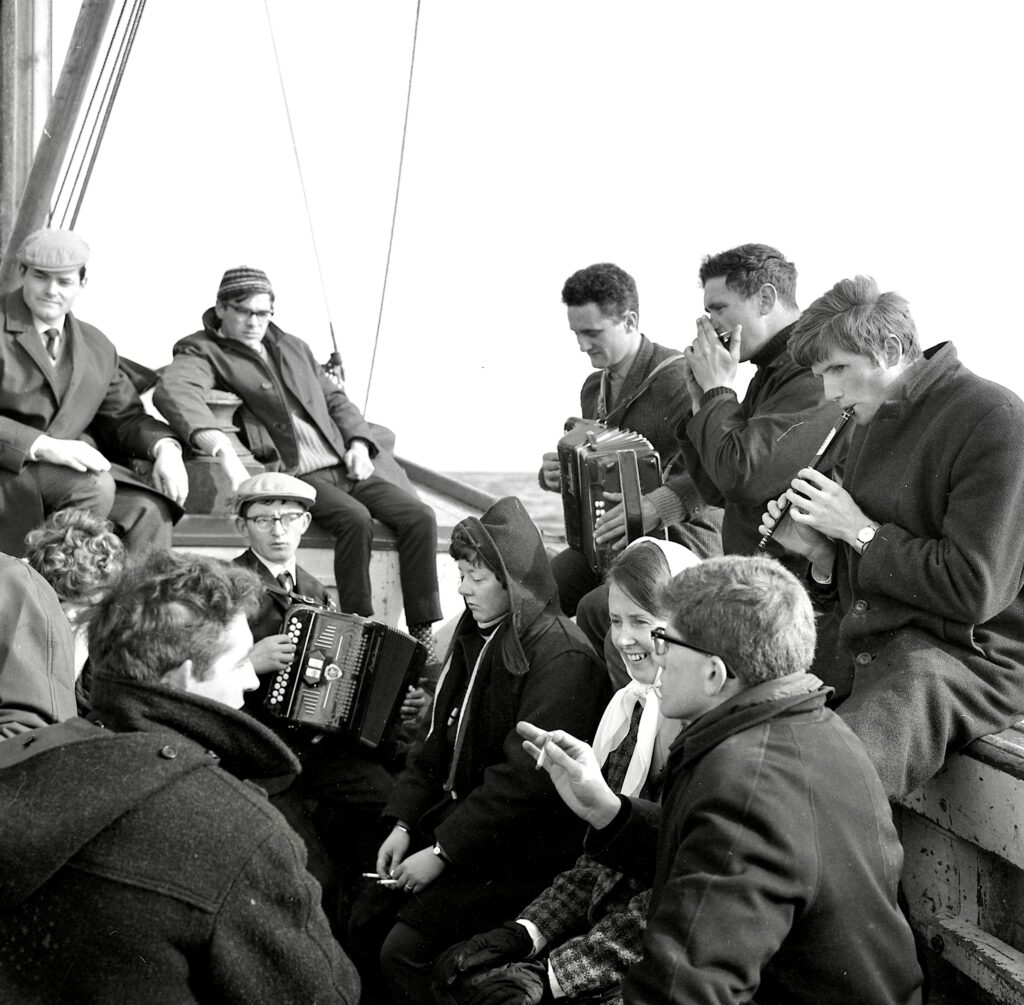
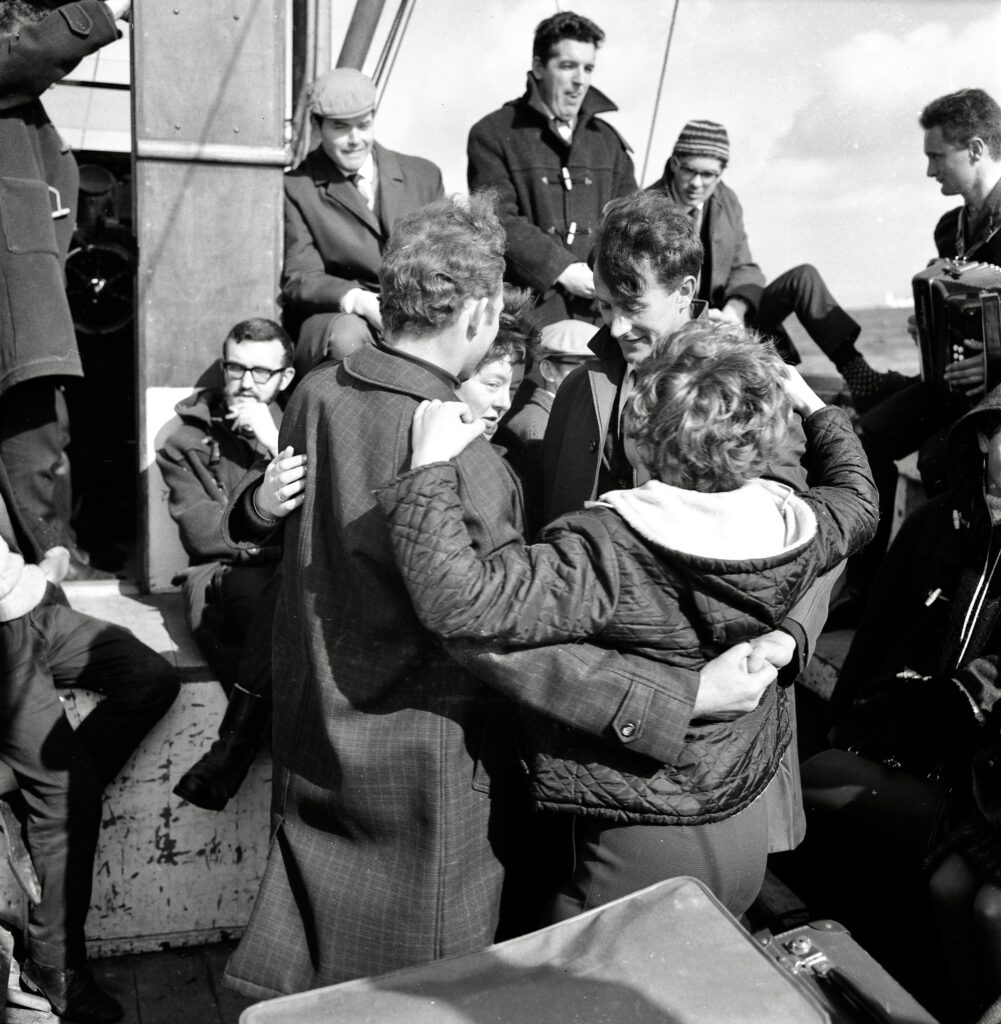
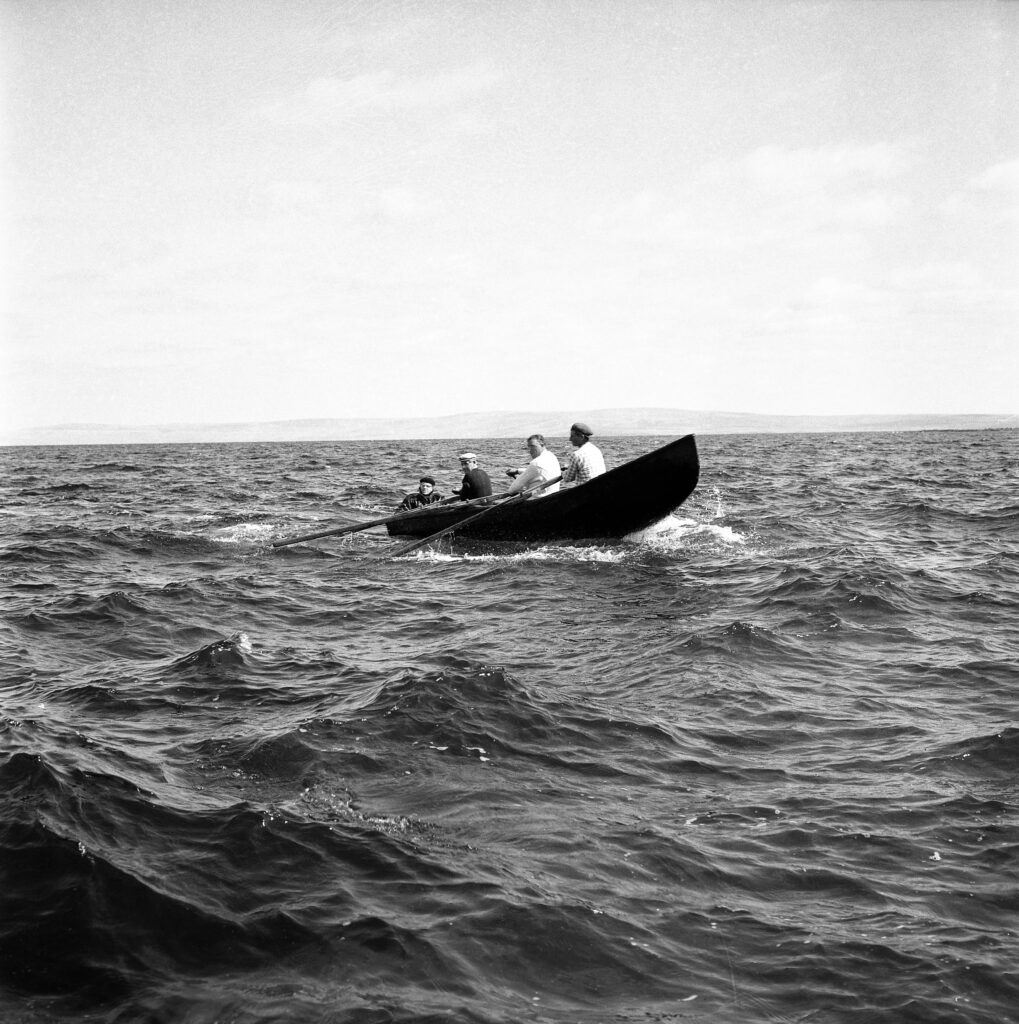
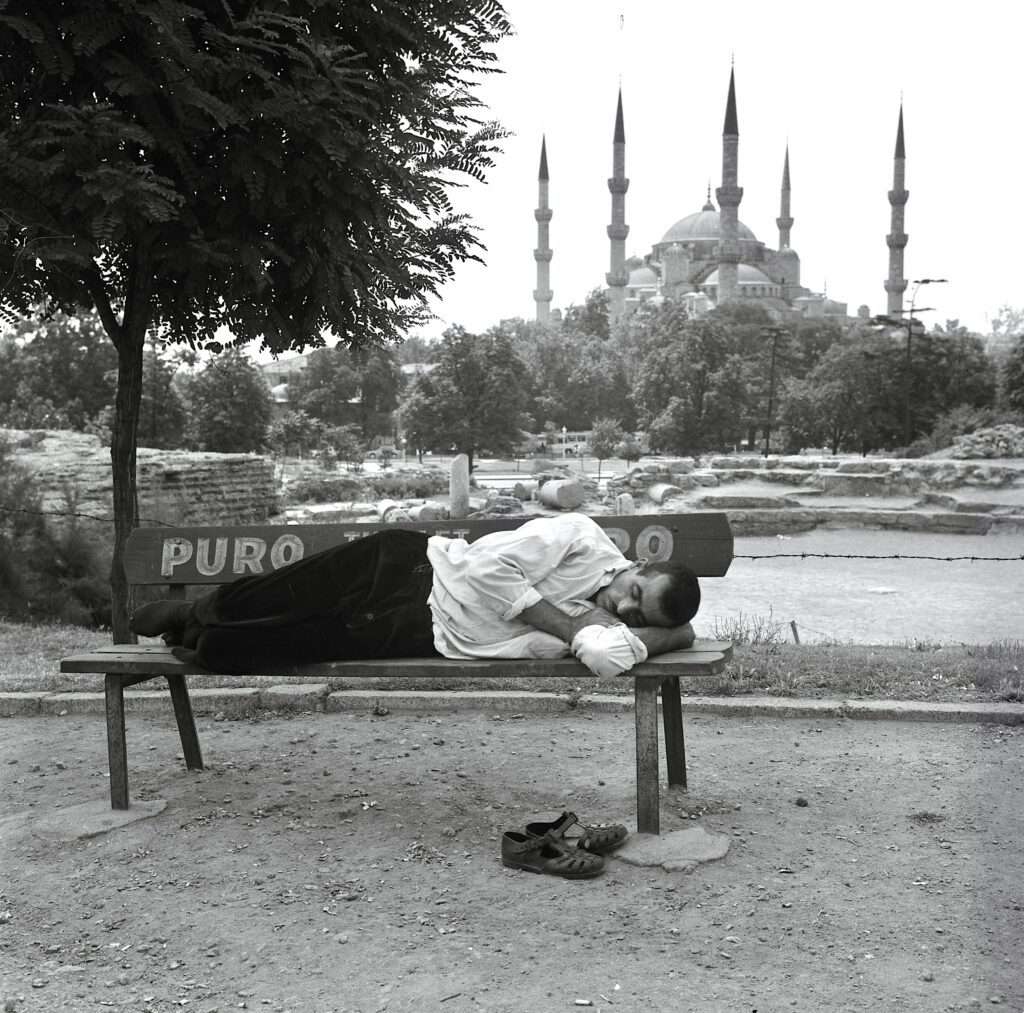
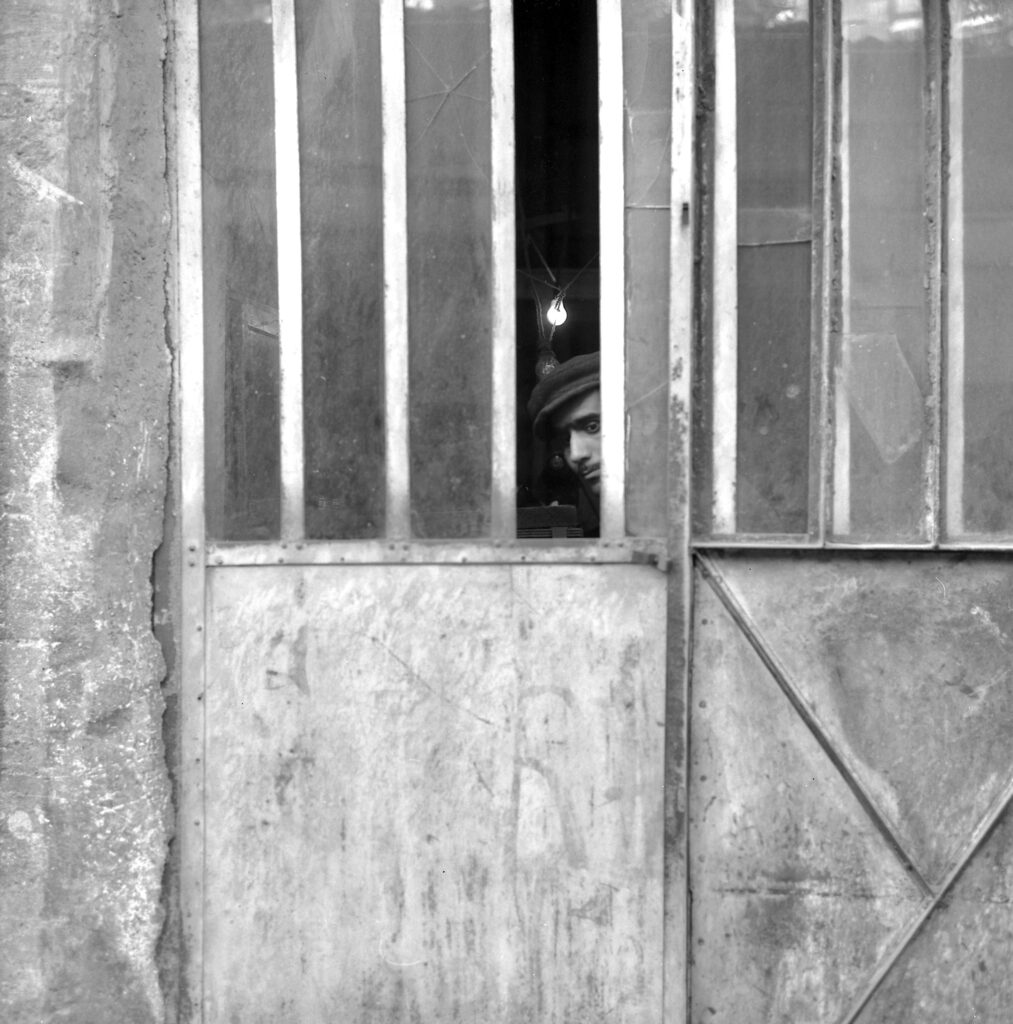
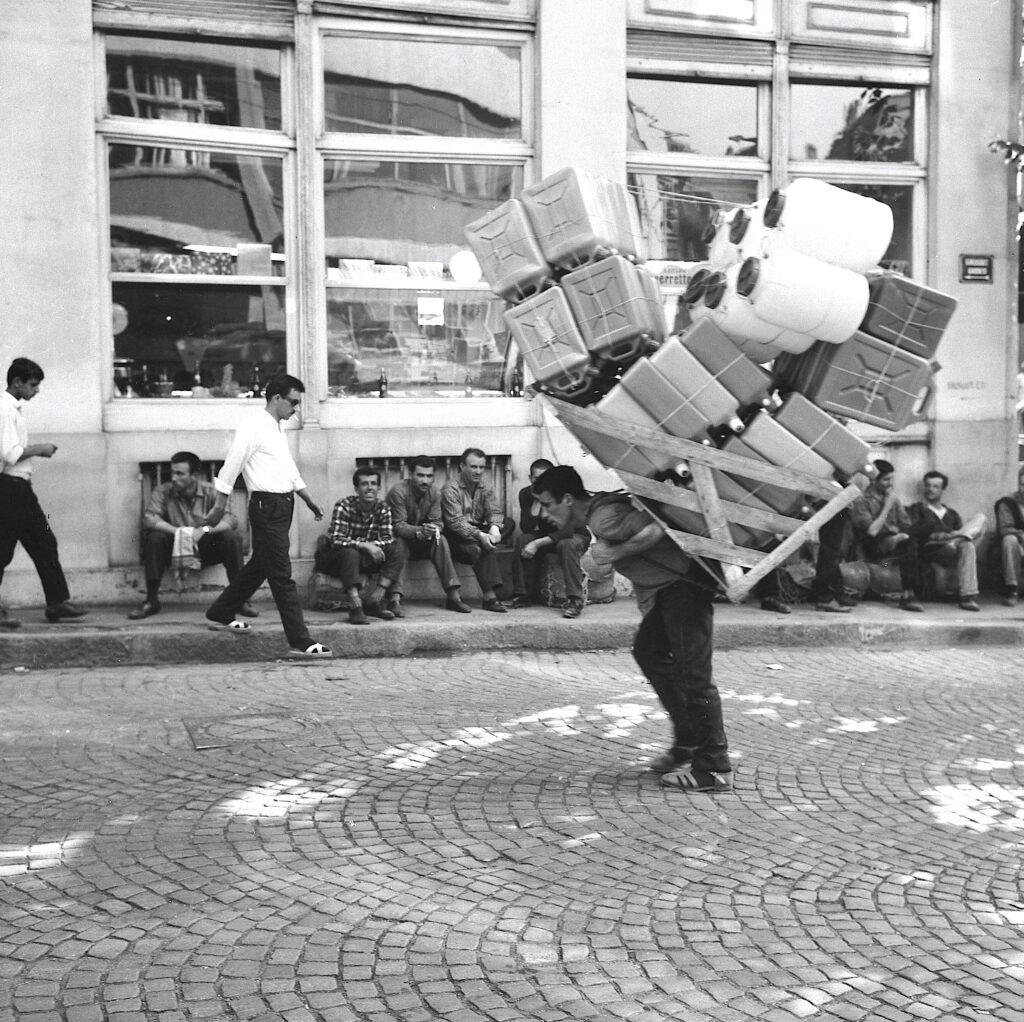
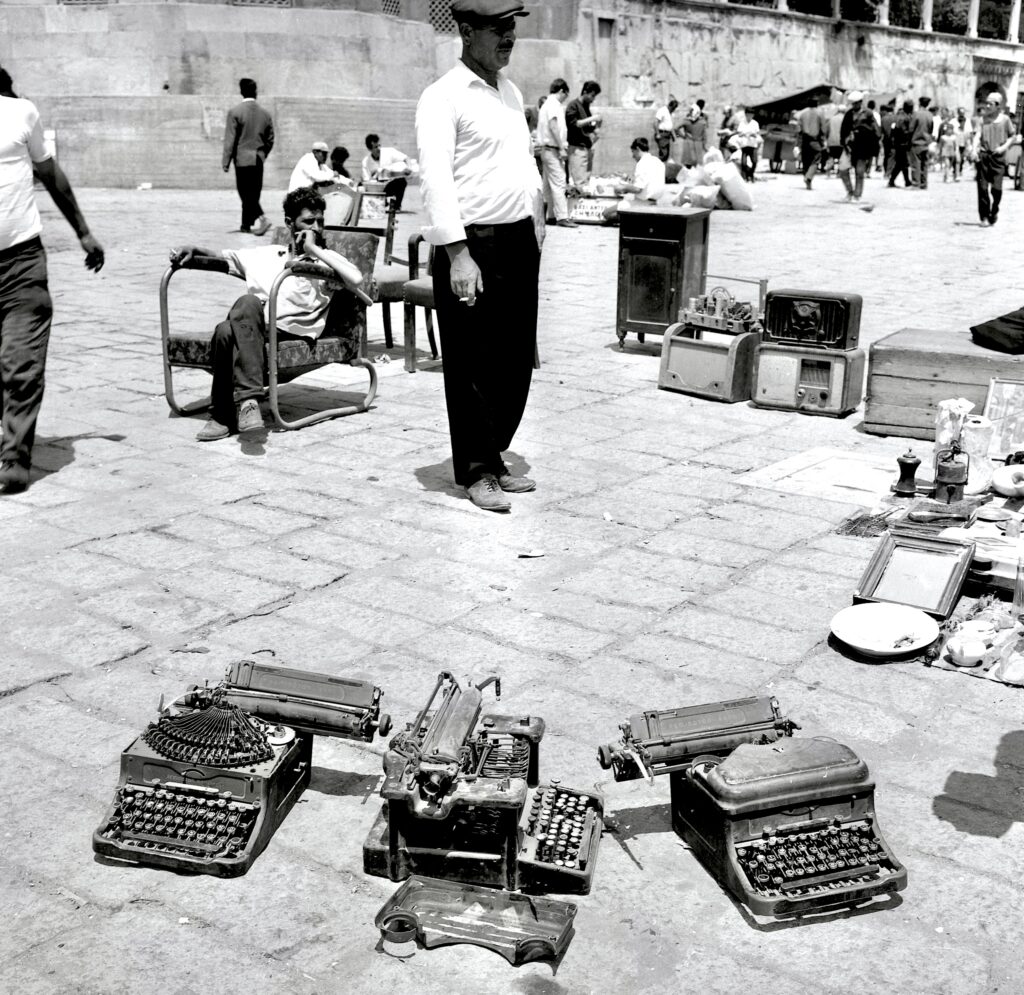
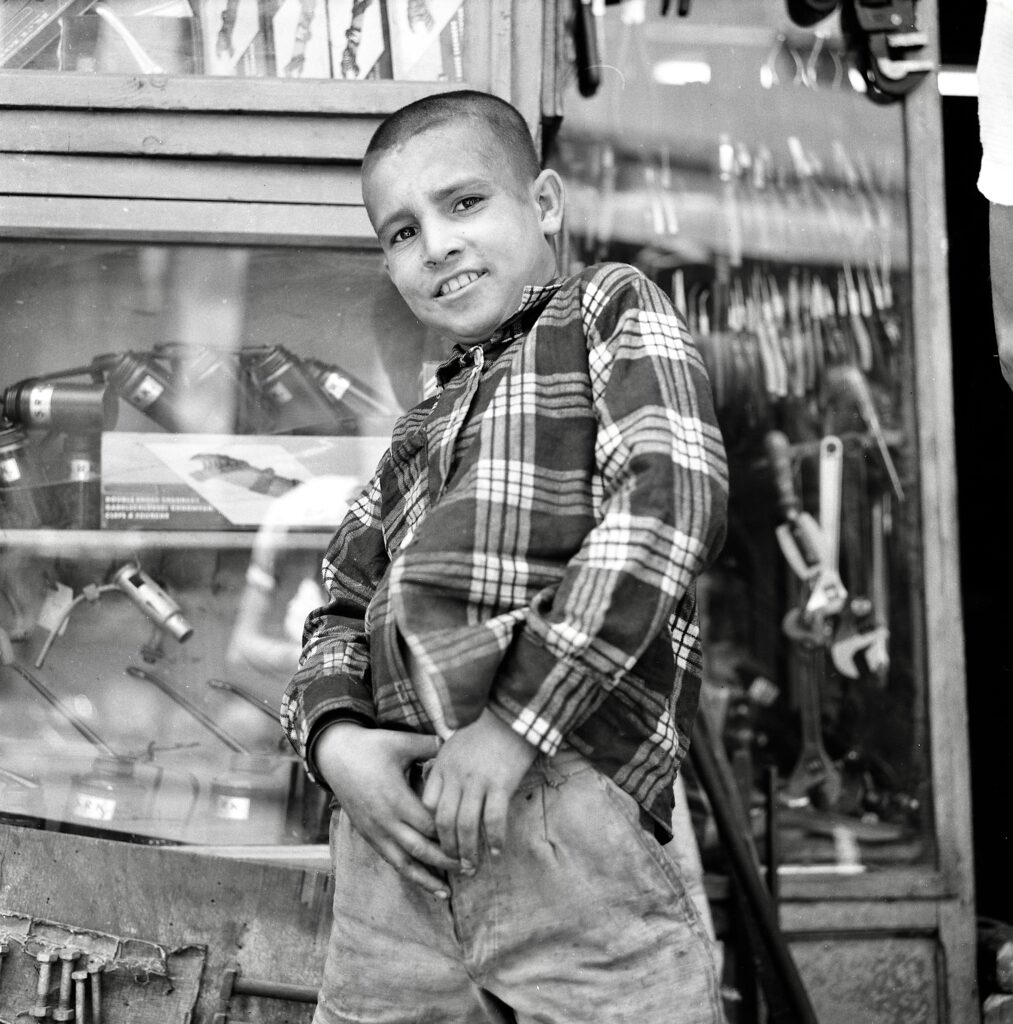
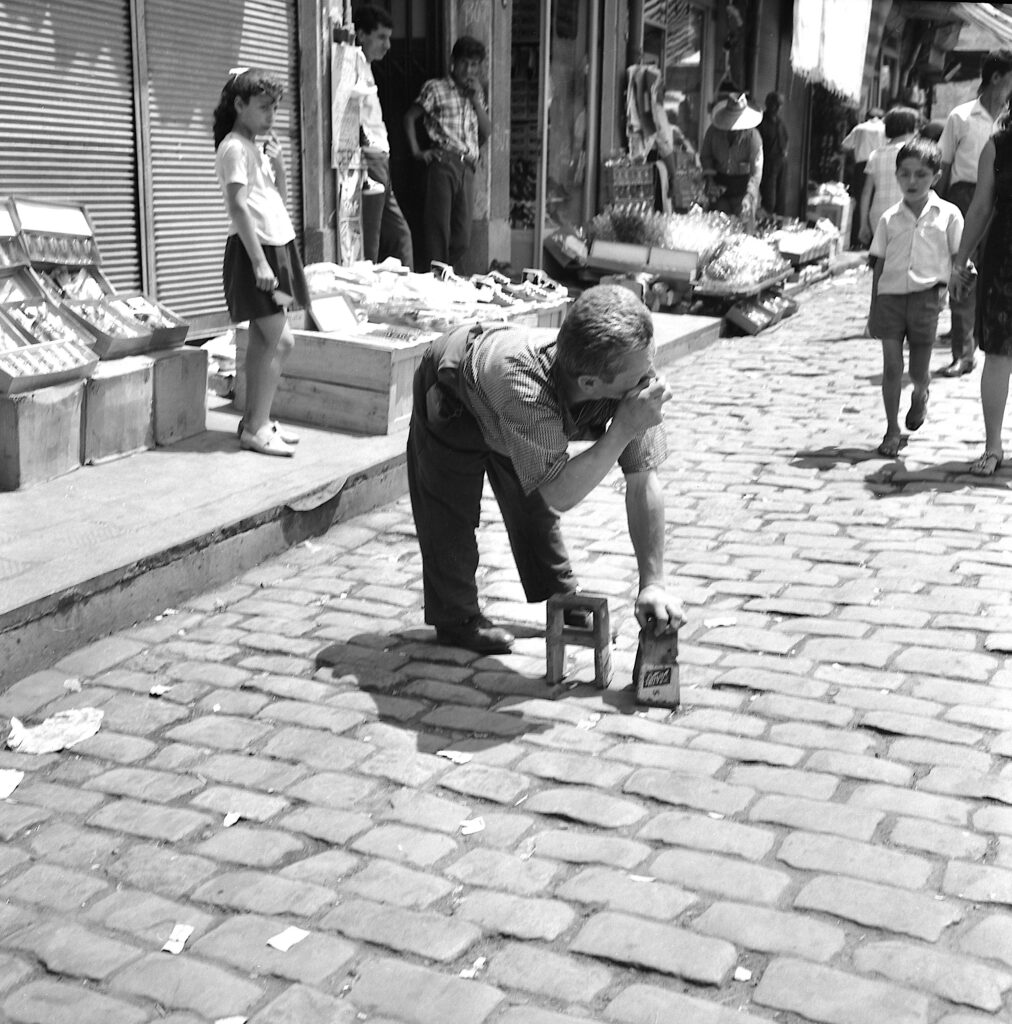
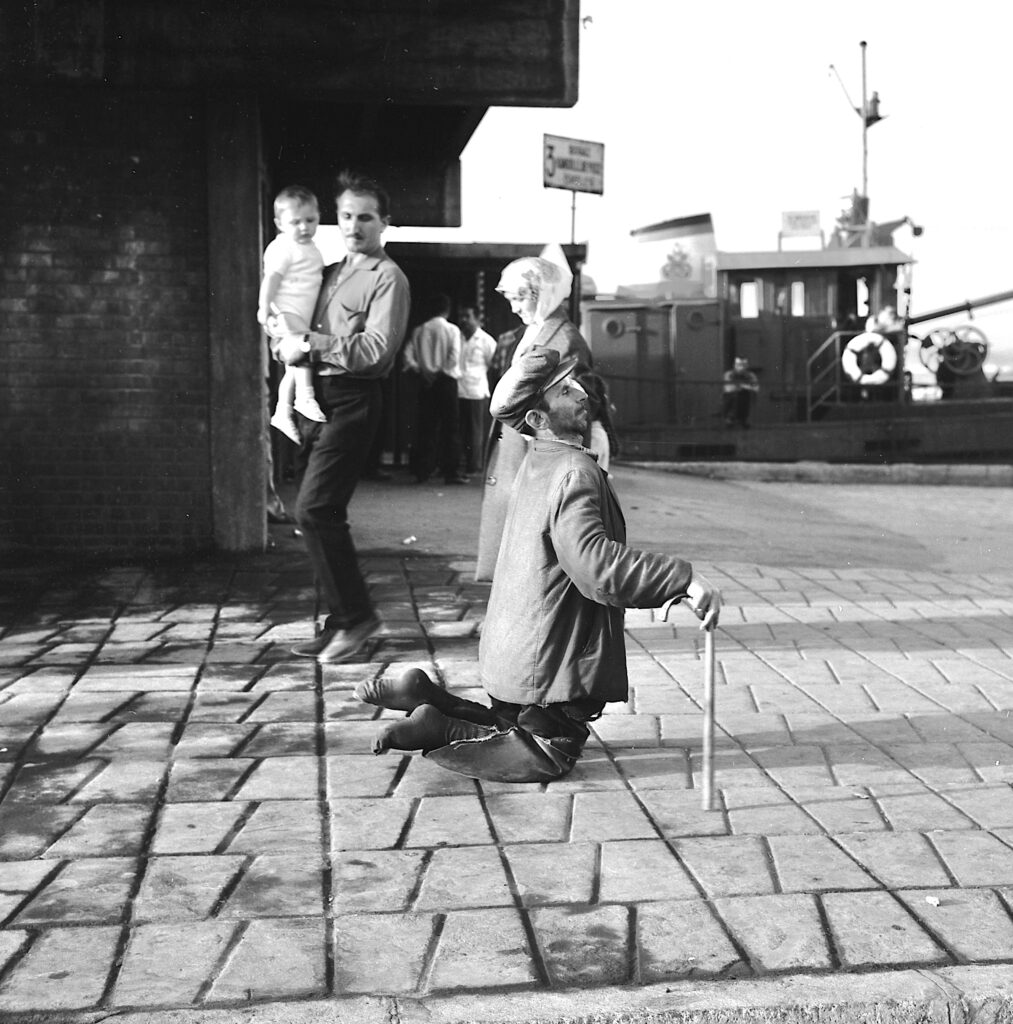
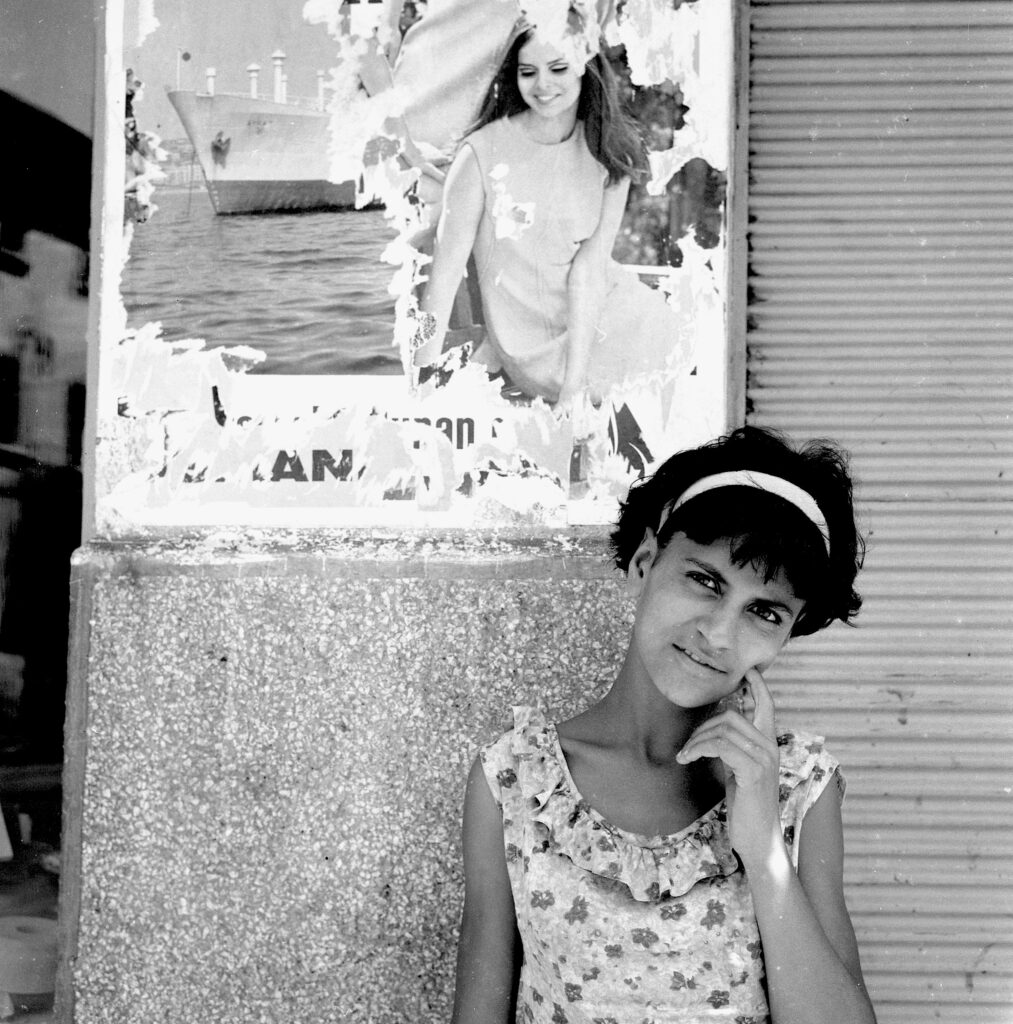
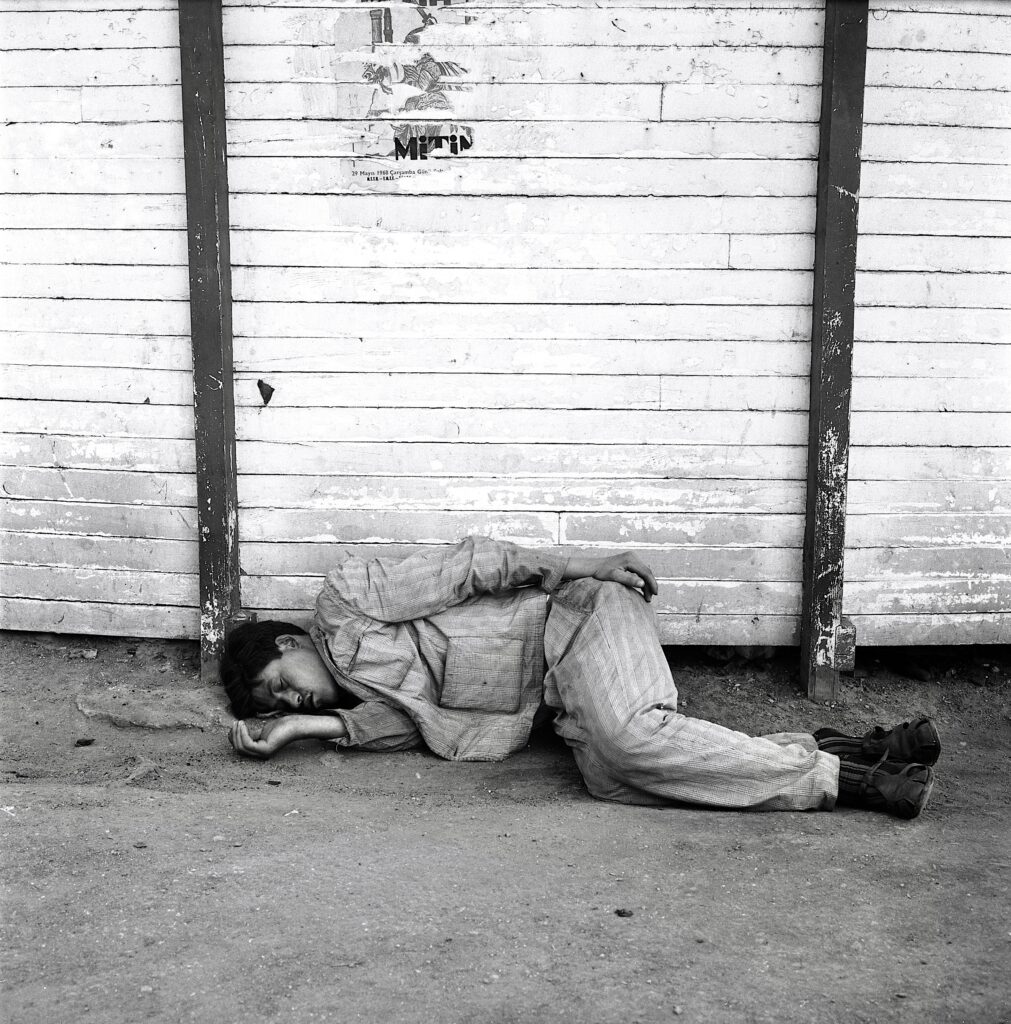
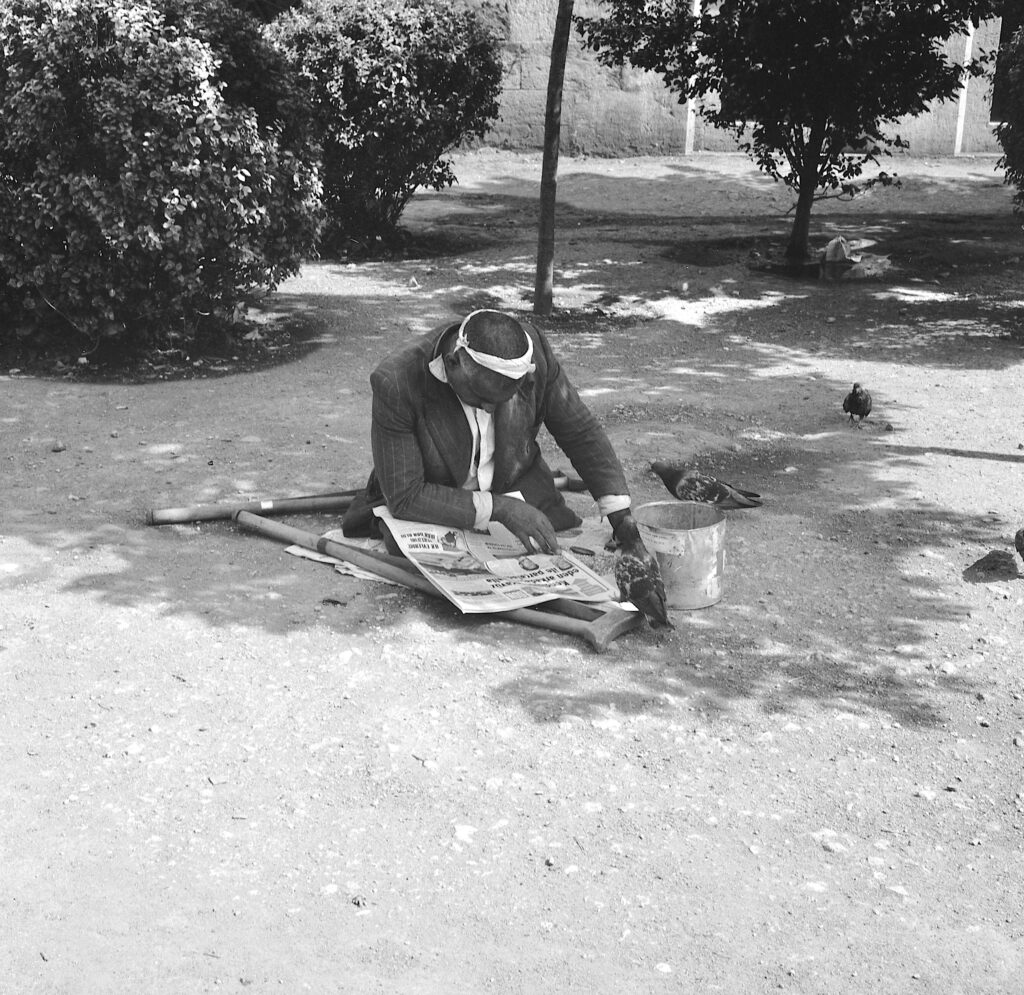
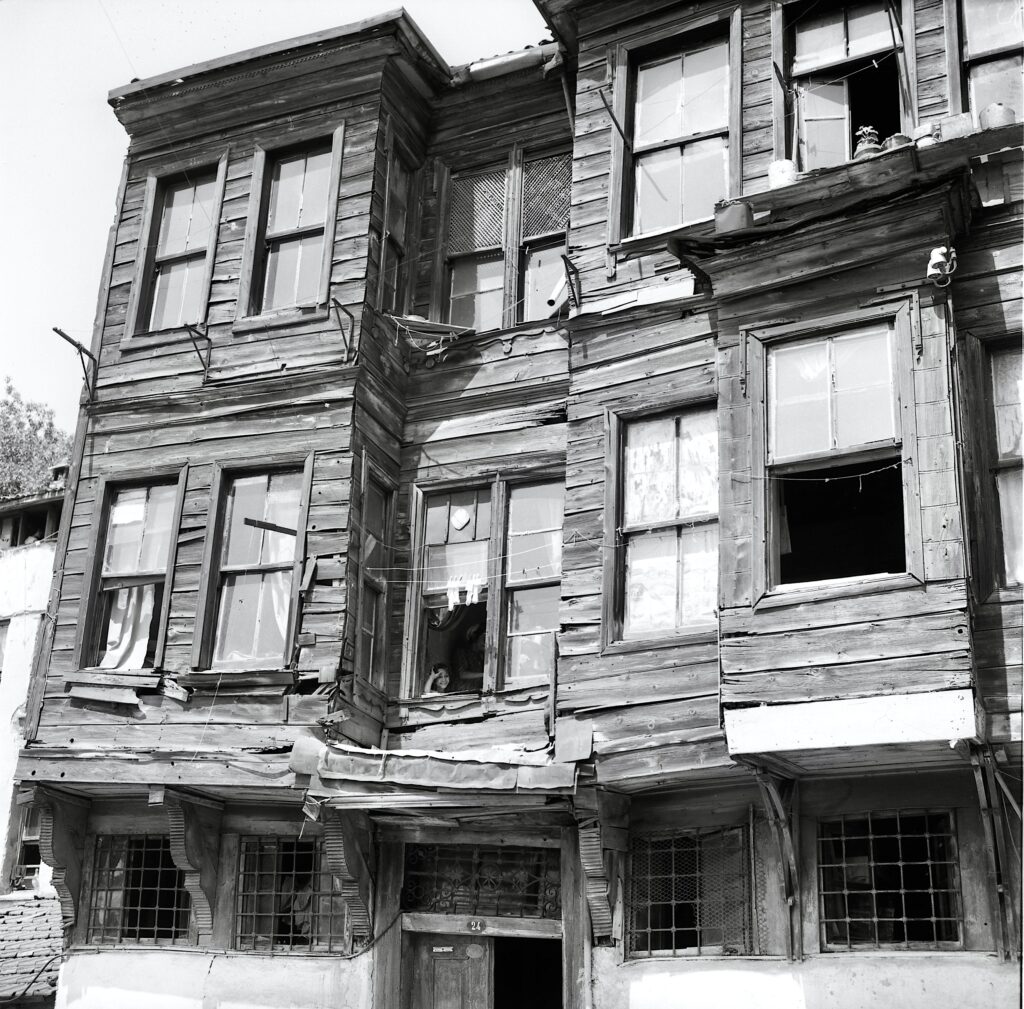
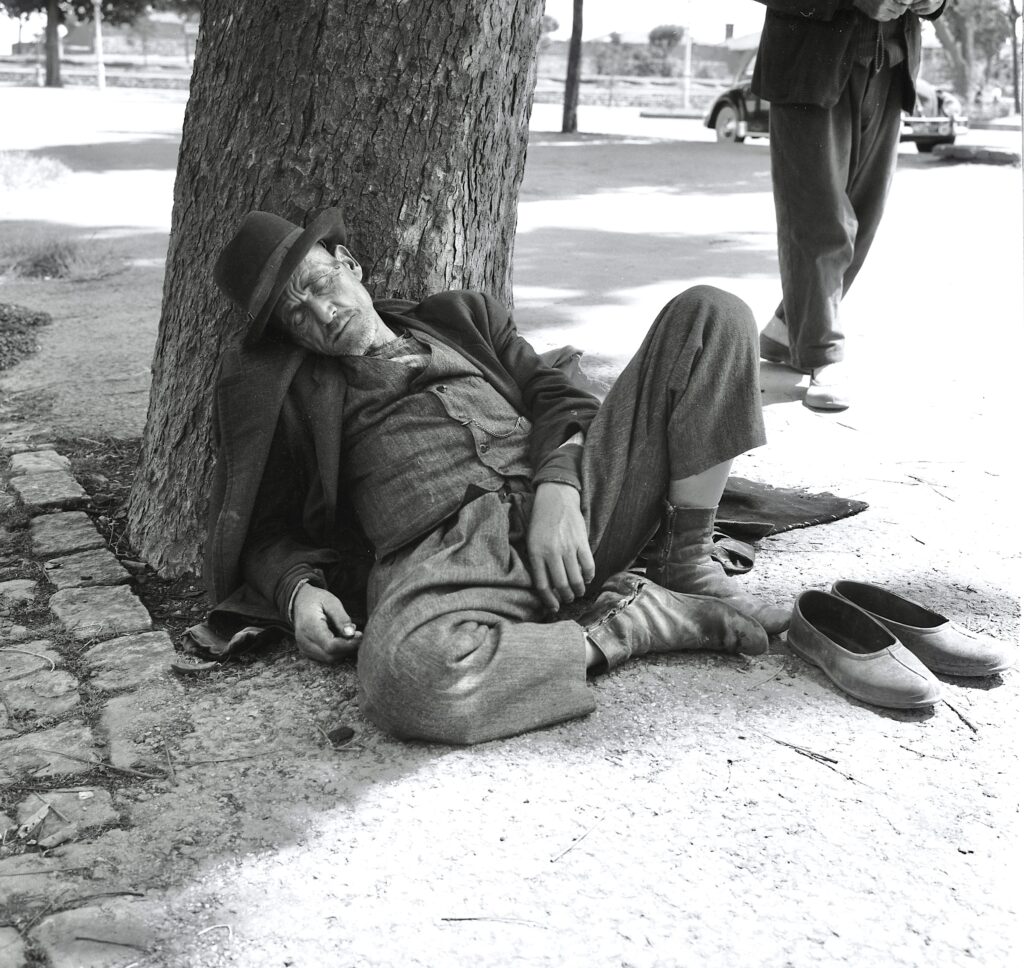
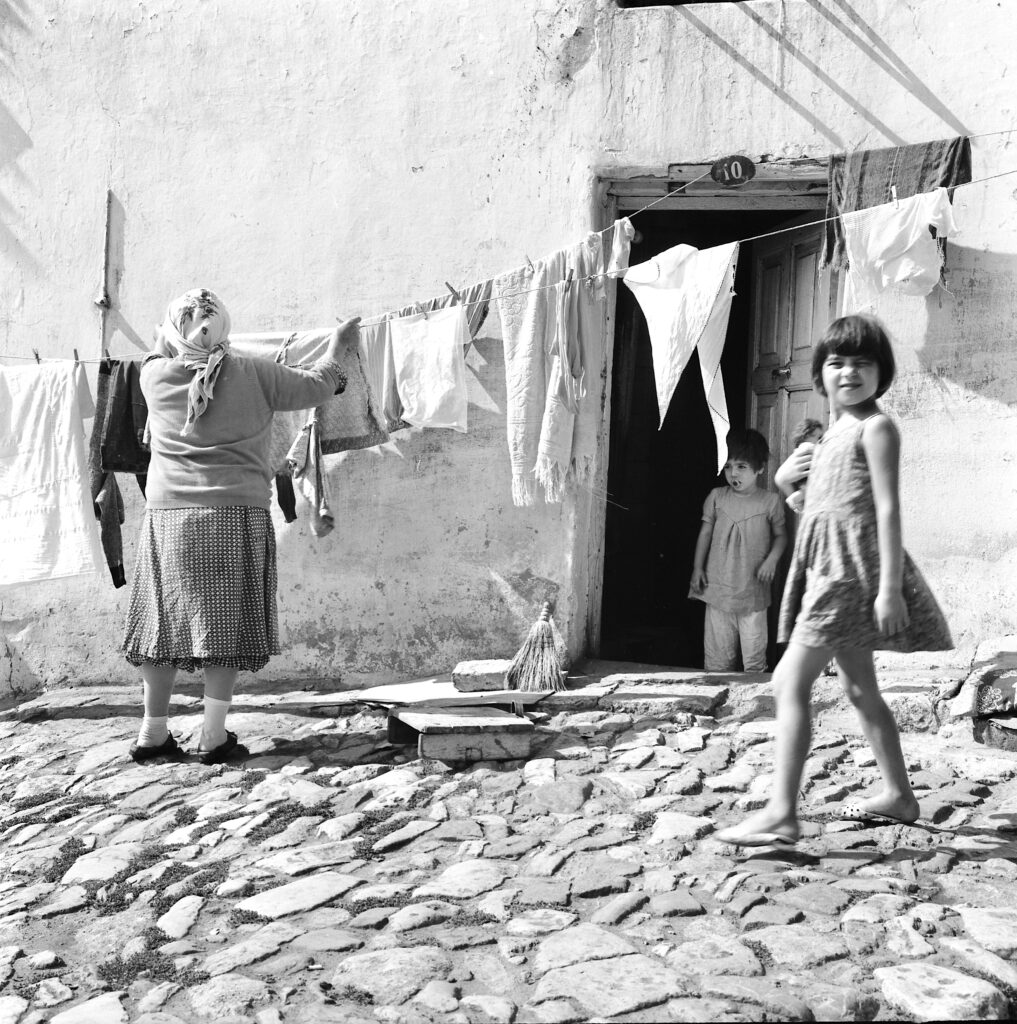
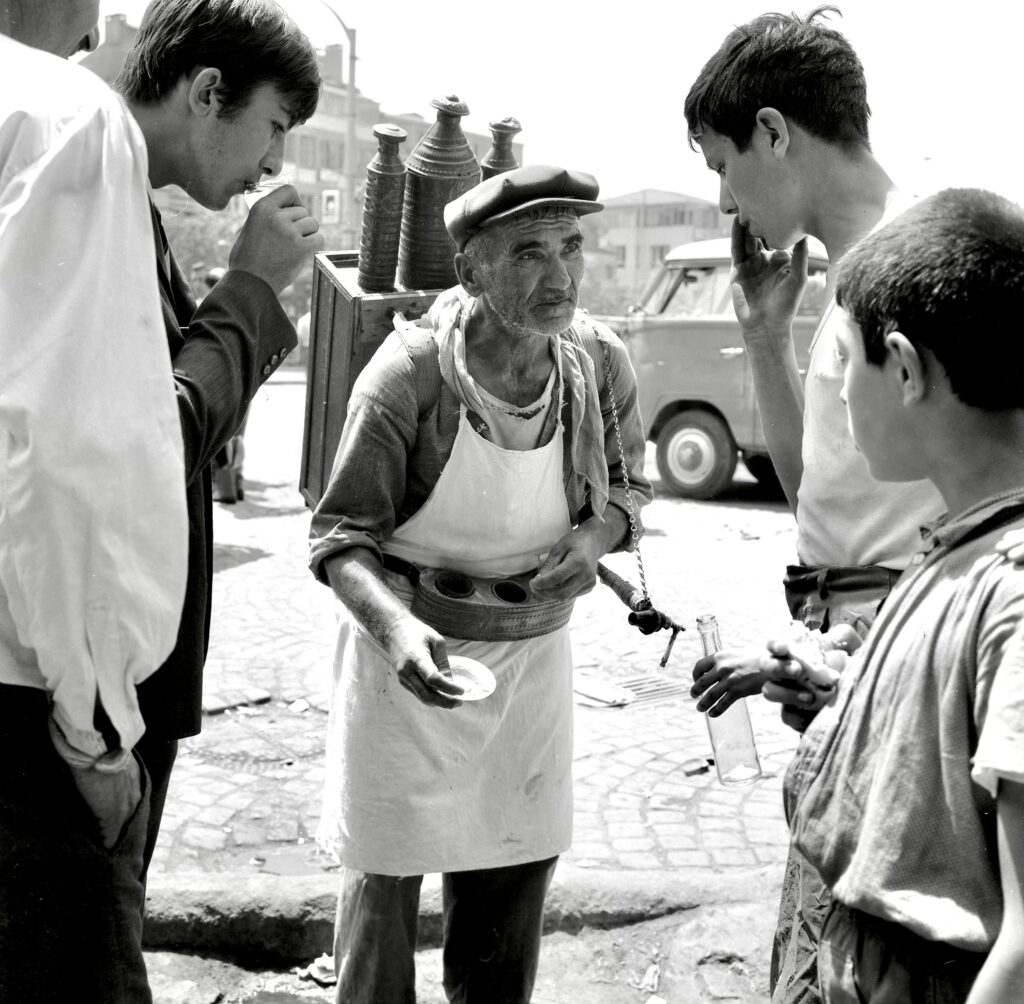
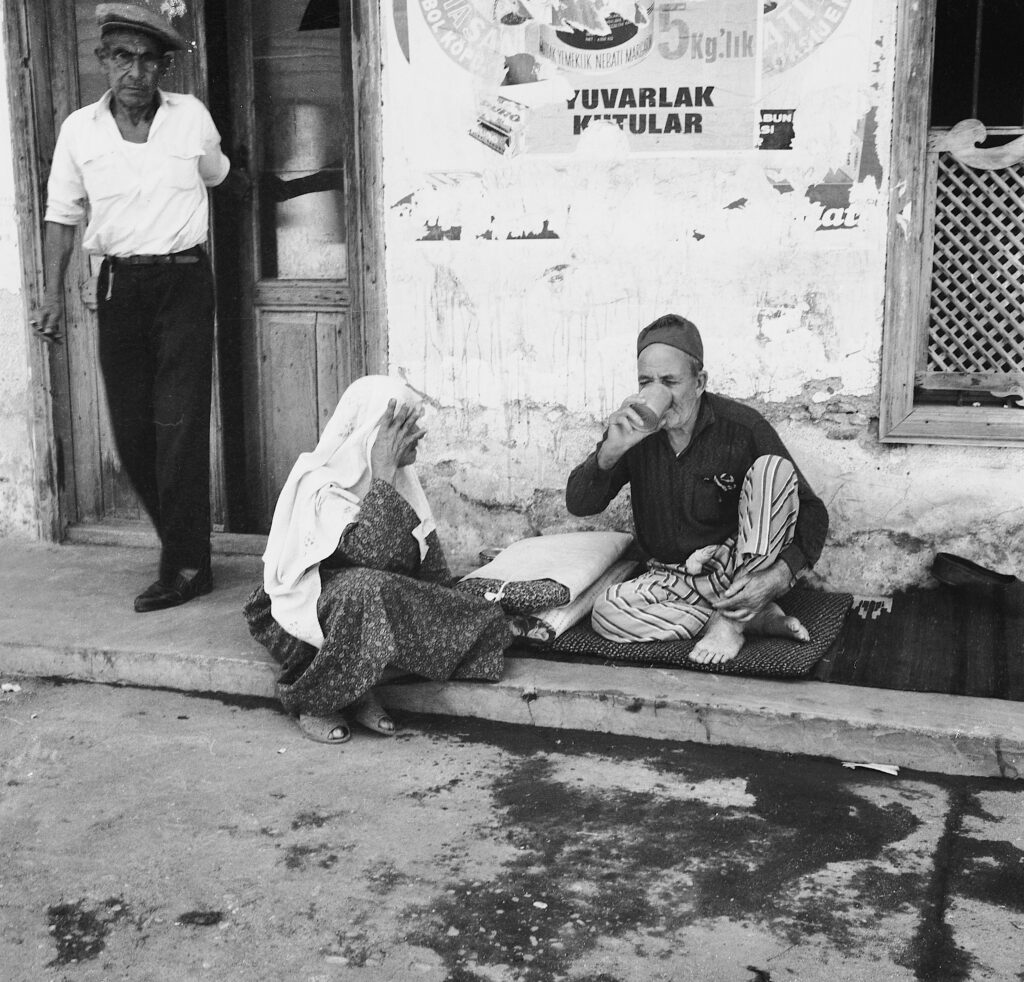
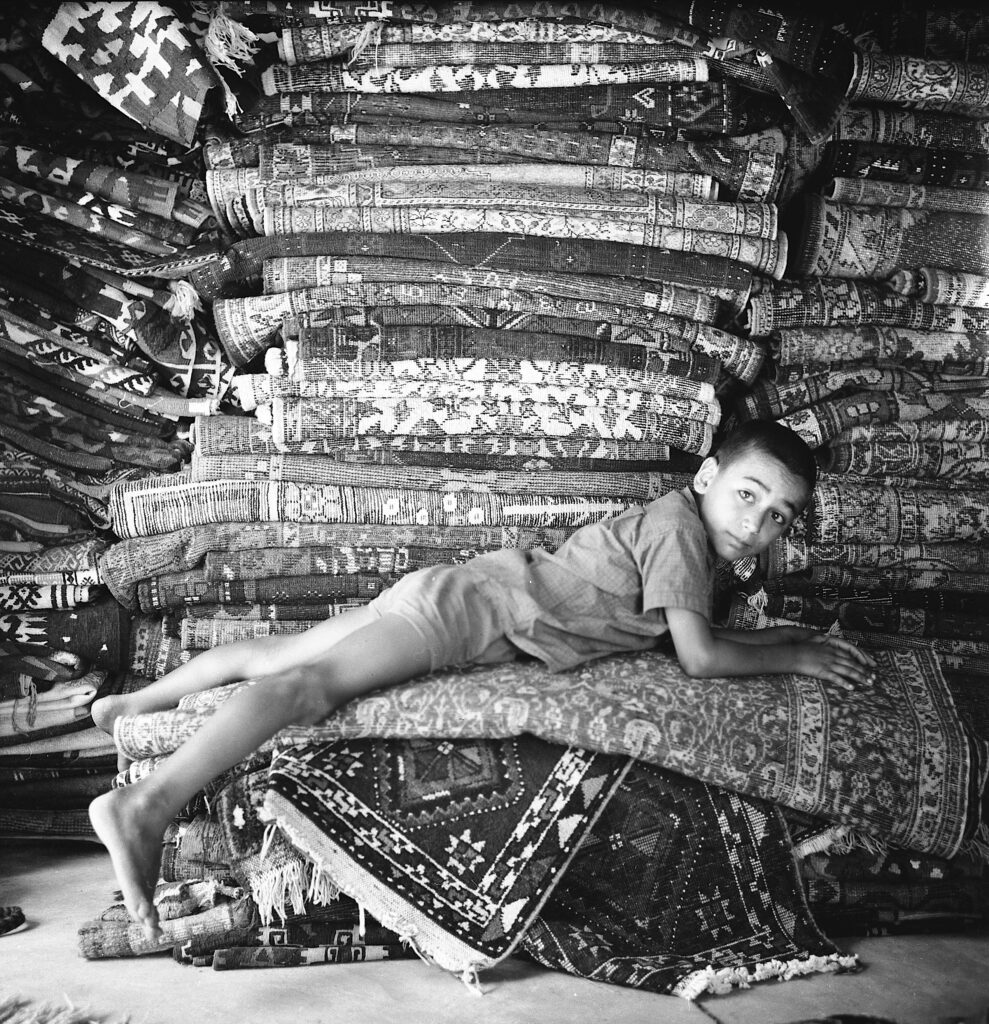
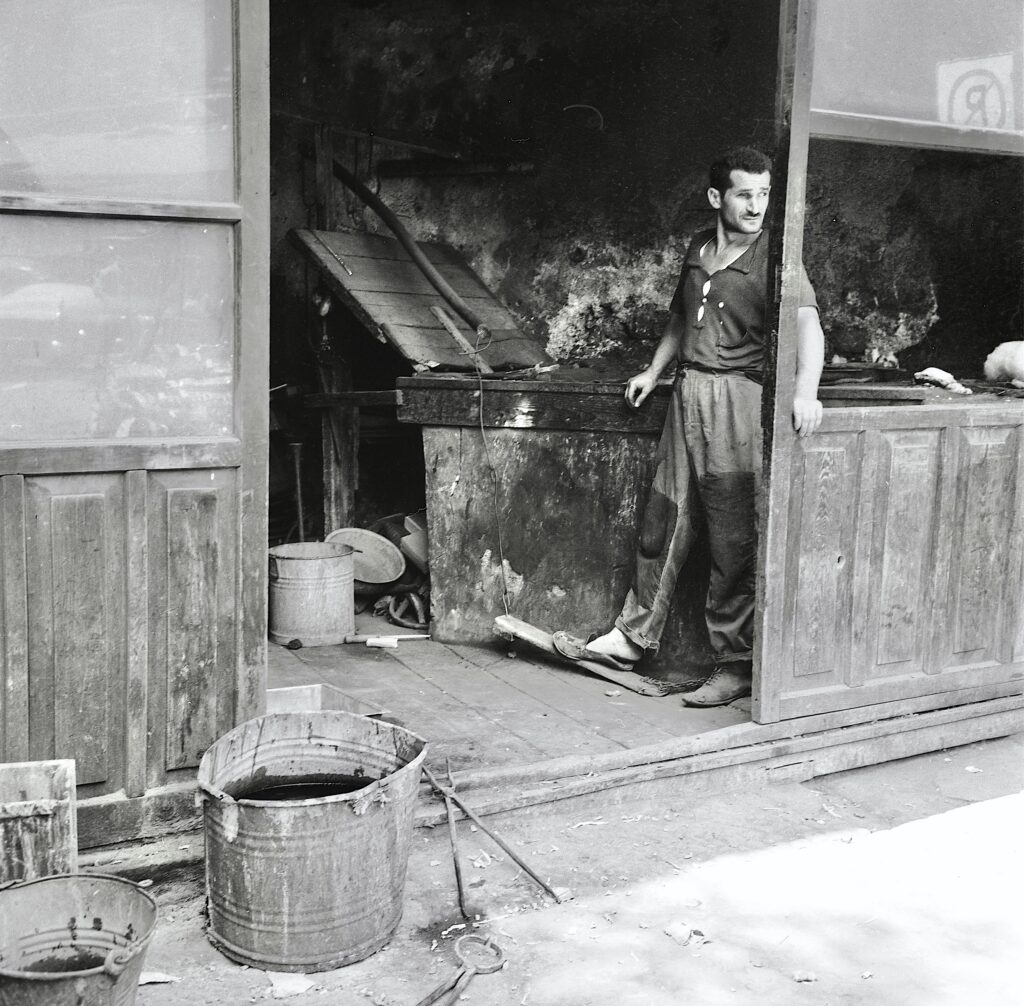
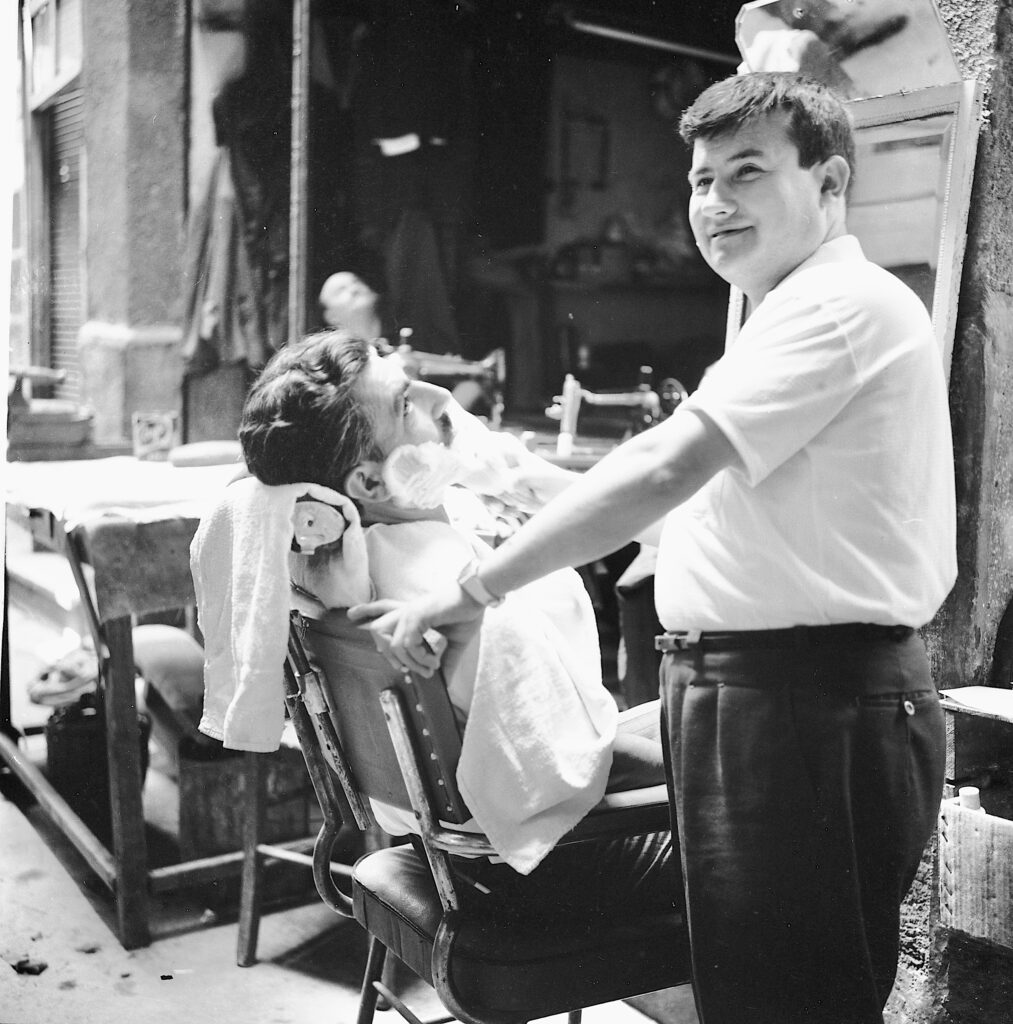
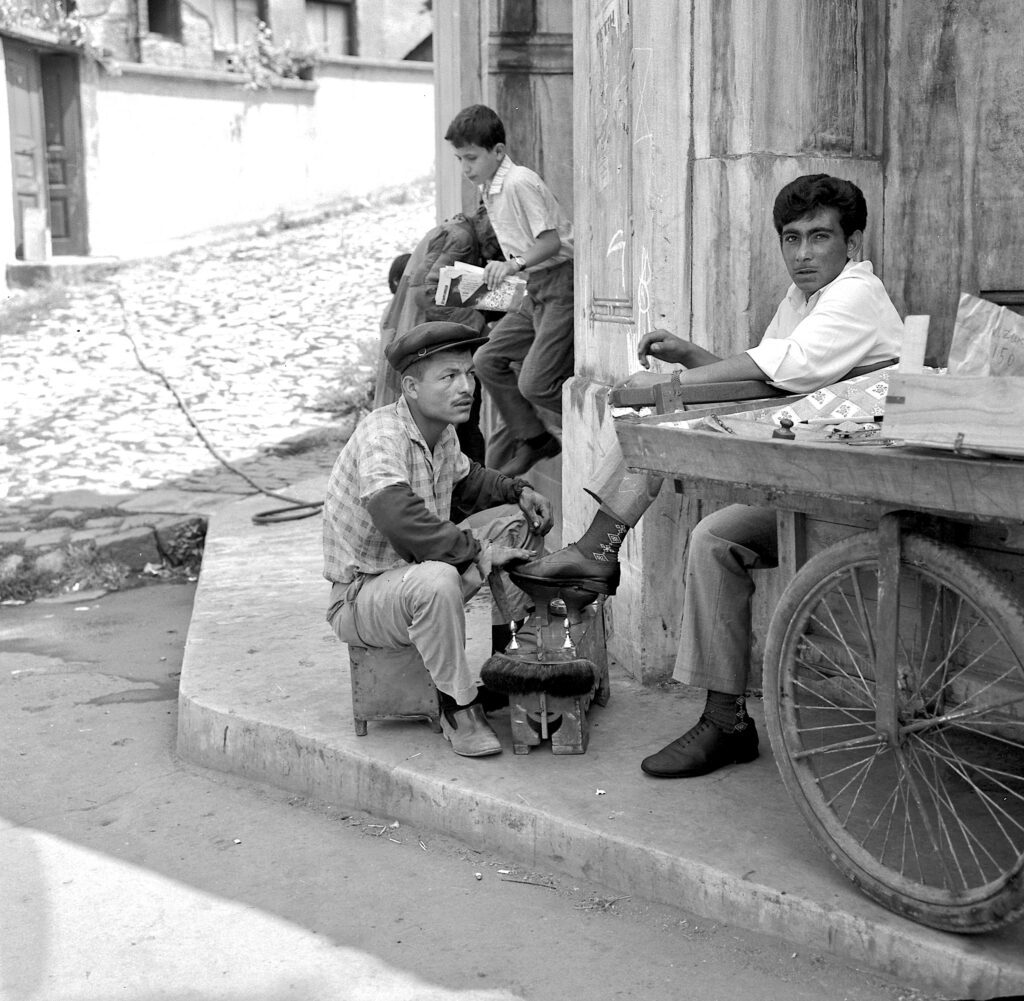
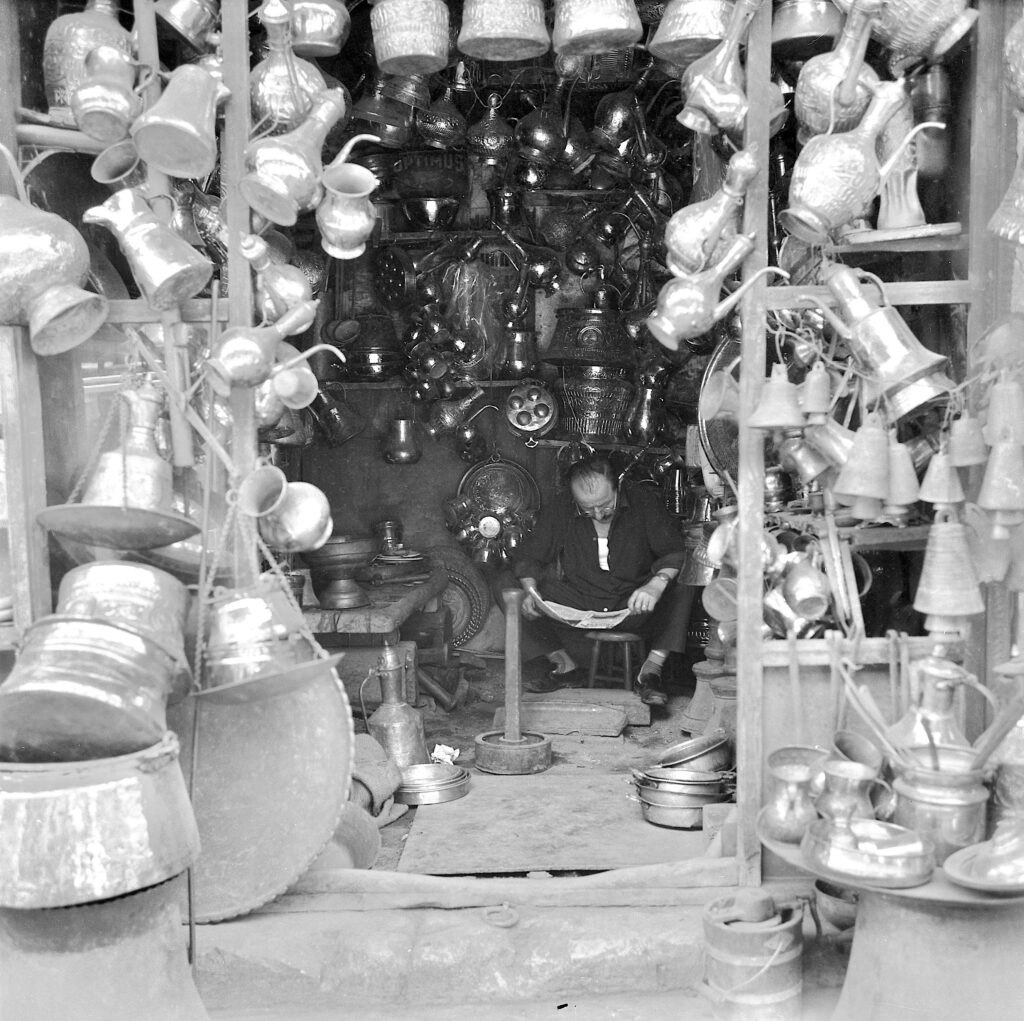
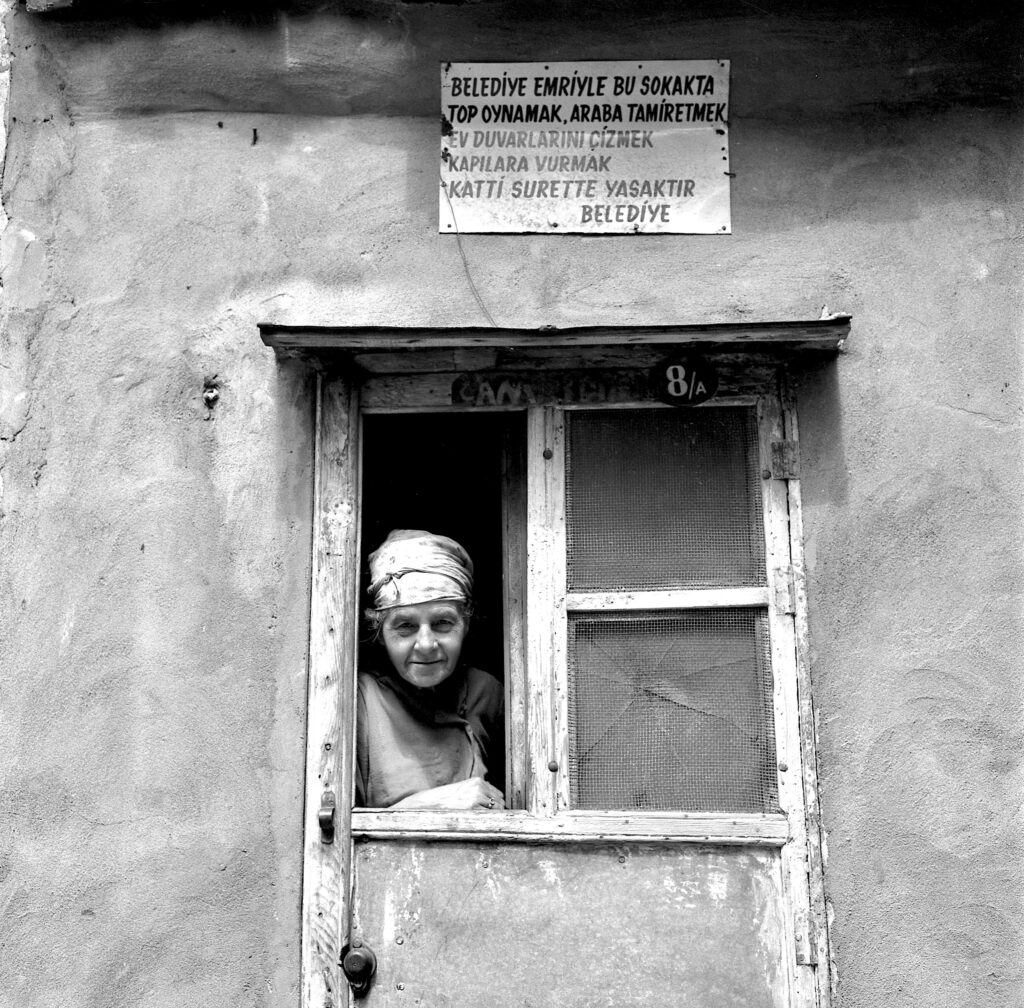
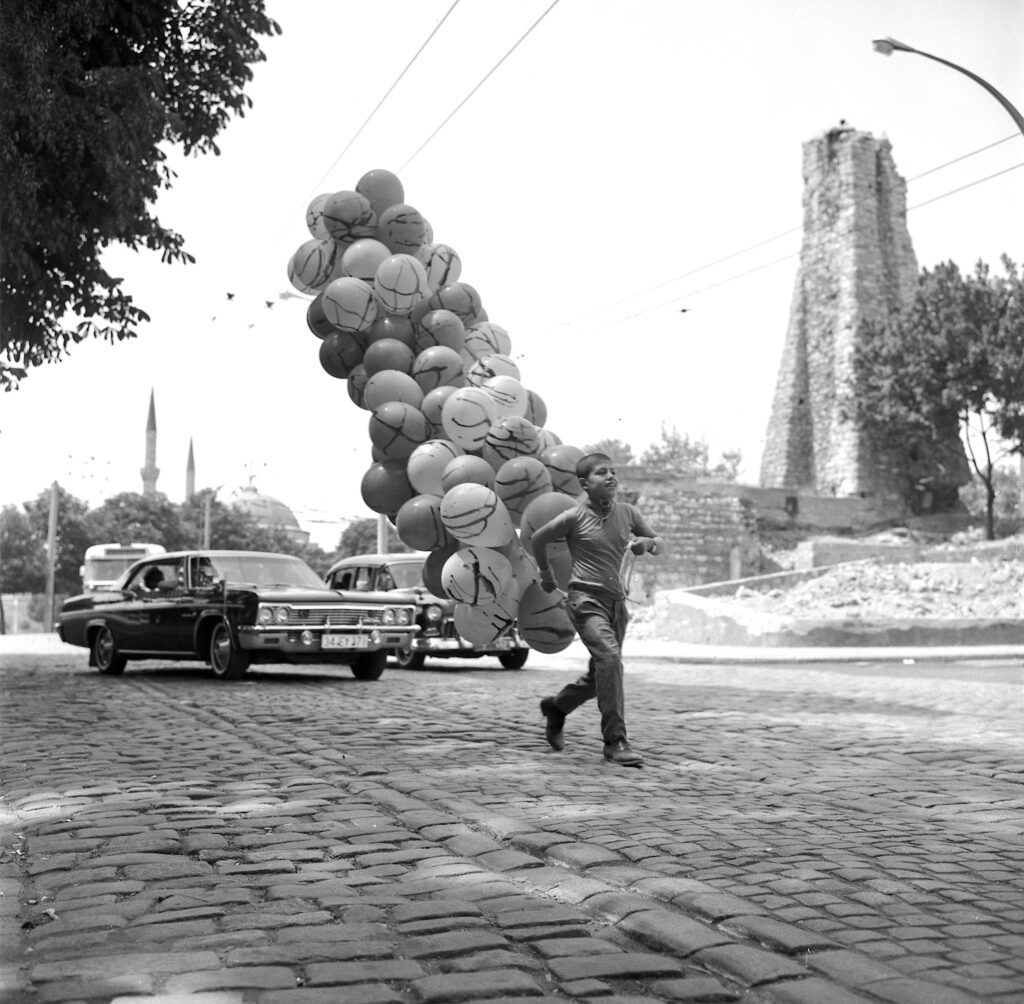
L’année suivante a été une période expérimentale au cours de deux reportages personnels, d’abord en Irlande, dans les îles d’Aran, puis en Turquie, à Istanbul, ville magique rejointe en auto-stop. Cinquante ans plus tard, ces clichés ont valeur de témoignages.
Les îles d’Aran parce qu’en 1934 Robert Flaherty avait réalisé un documentaire-fiction admirable, The Man of Aran, qui m’avait fasciné au point d’y avoir séjourné, d’y être retourné cinq ans plus tard et d’avoir introduit des extraits de la tempête dantesque dans un téléfilm de 1997. La Turquie parce que, le Bosphore franchi par le pont de Galata qui enjambe la Corne d’or, s’ouvrent les portes de l’Orient et ses mystères pour un jeune breton en quête d’aventures.
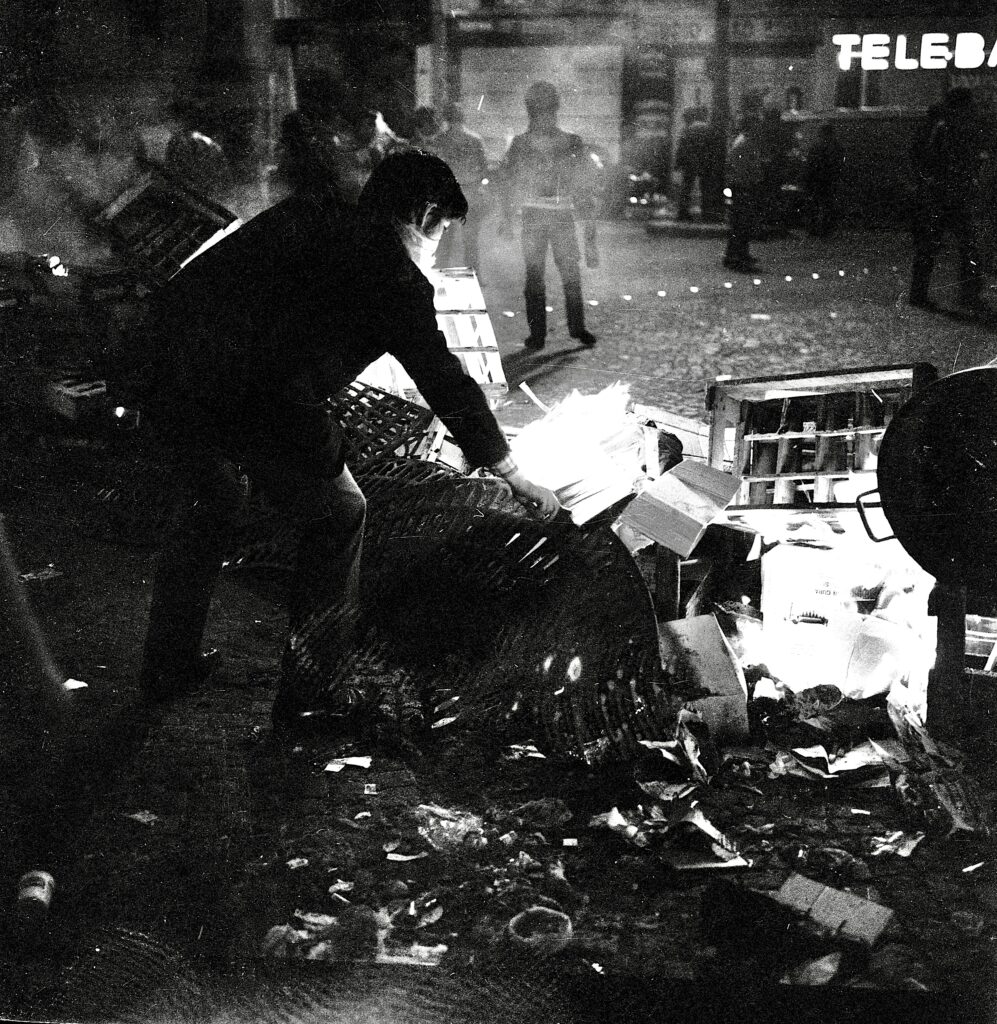
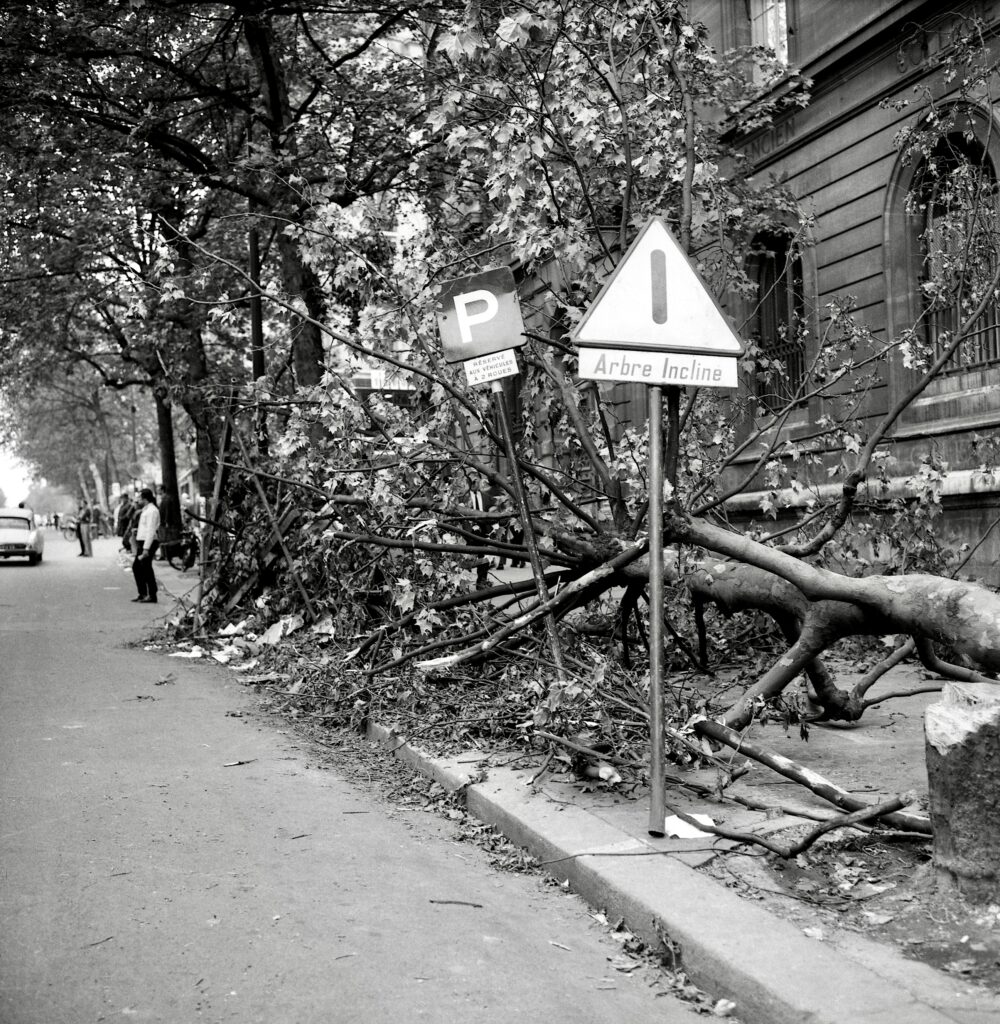
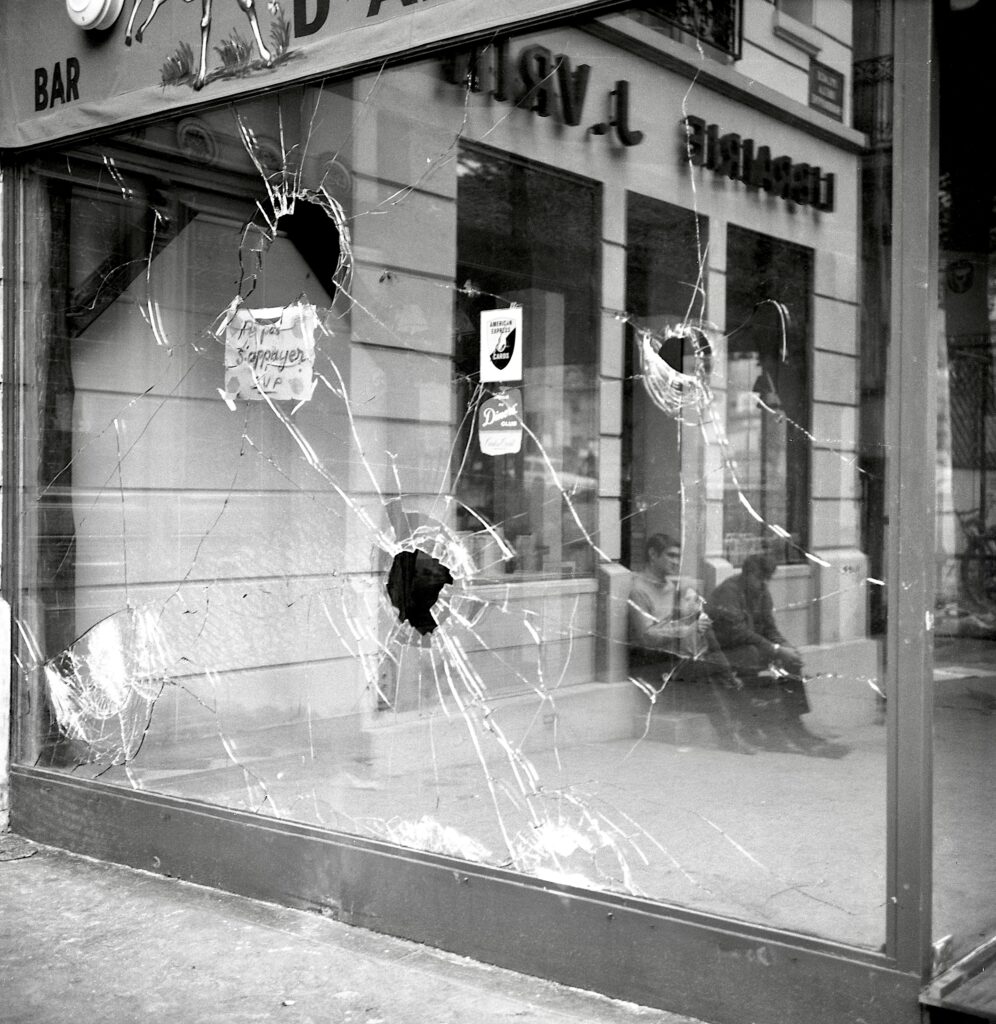
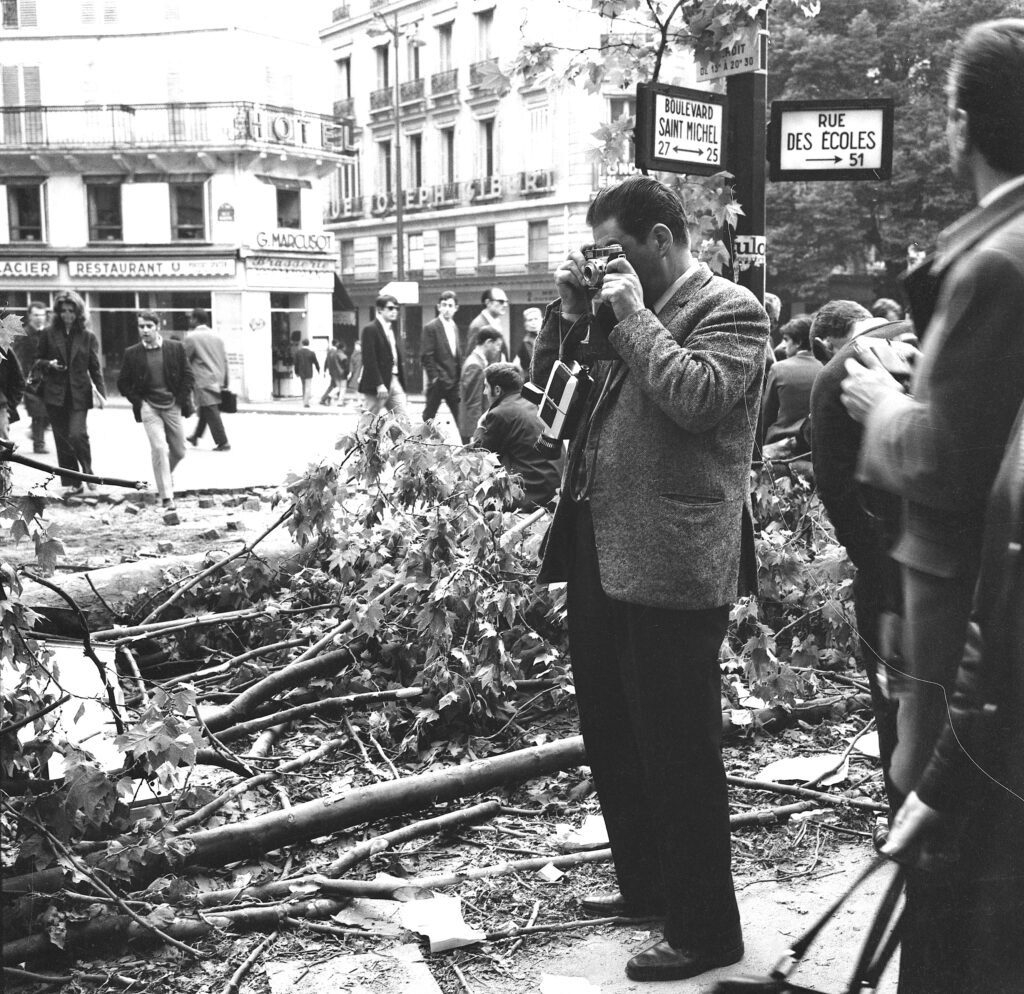
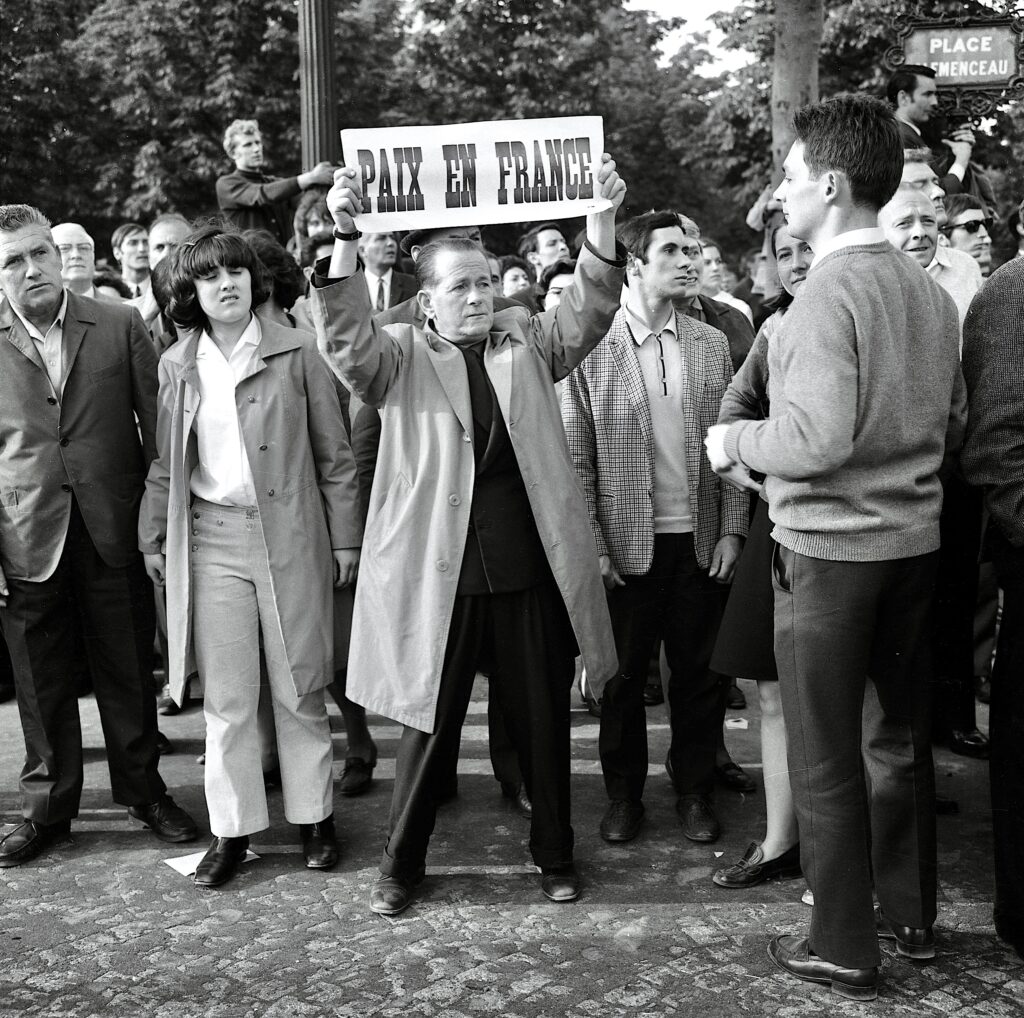
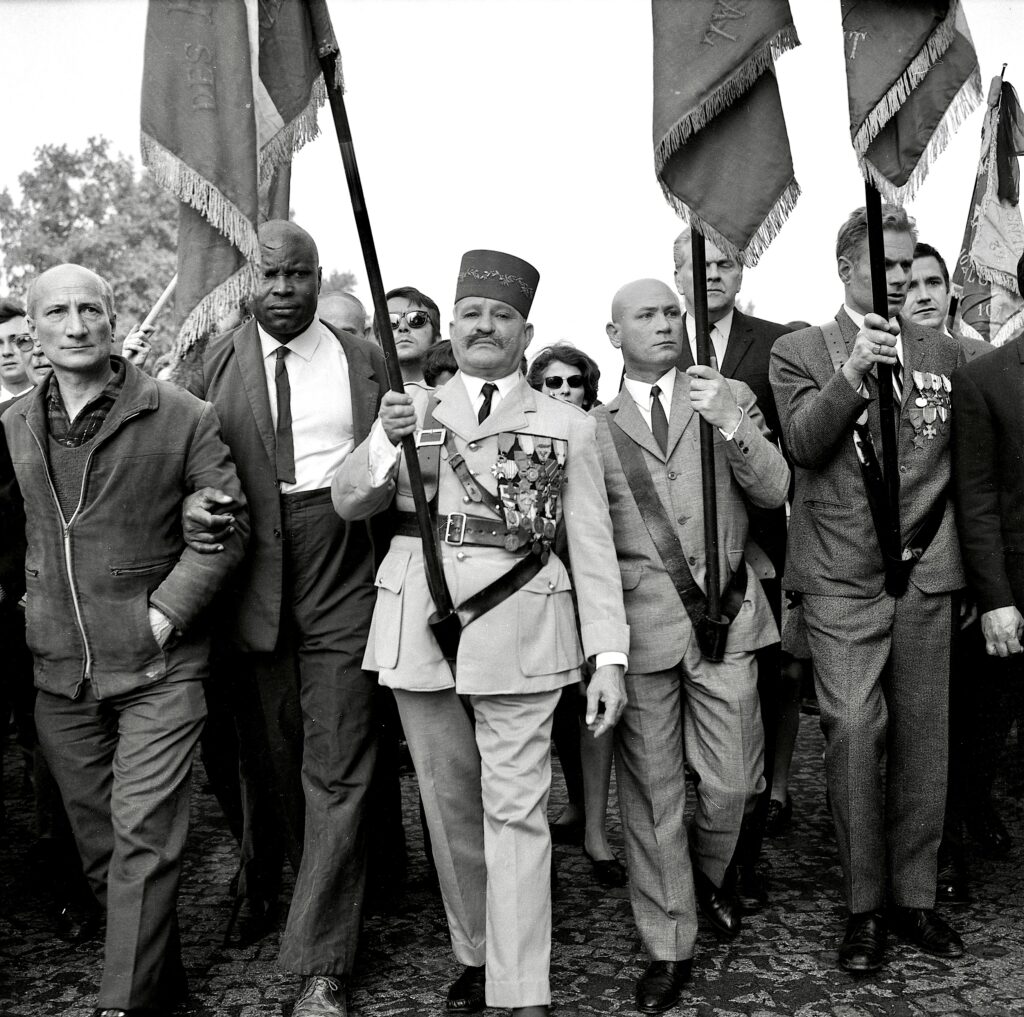
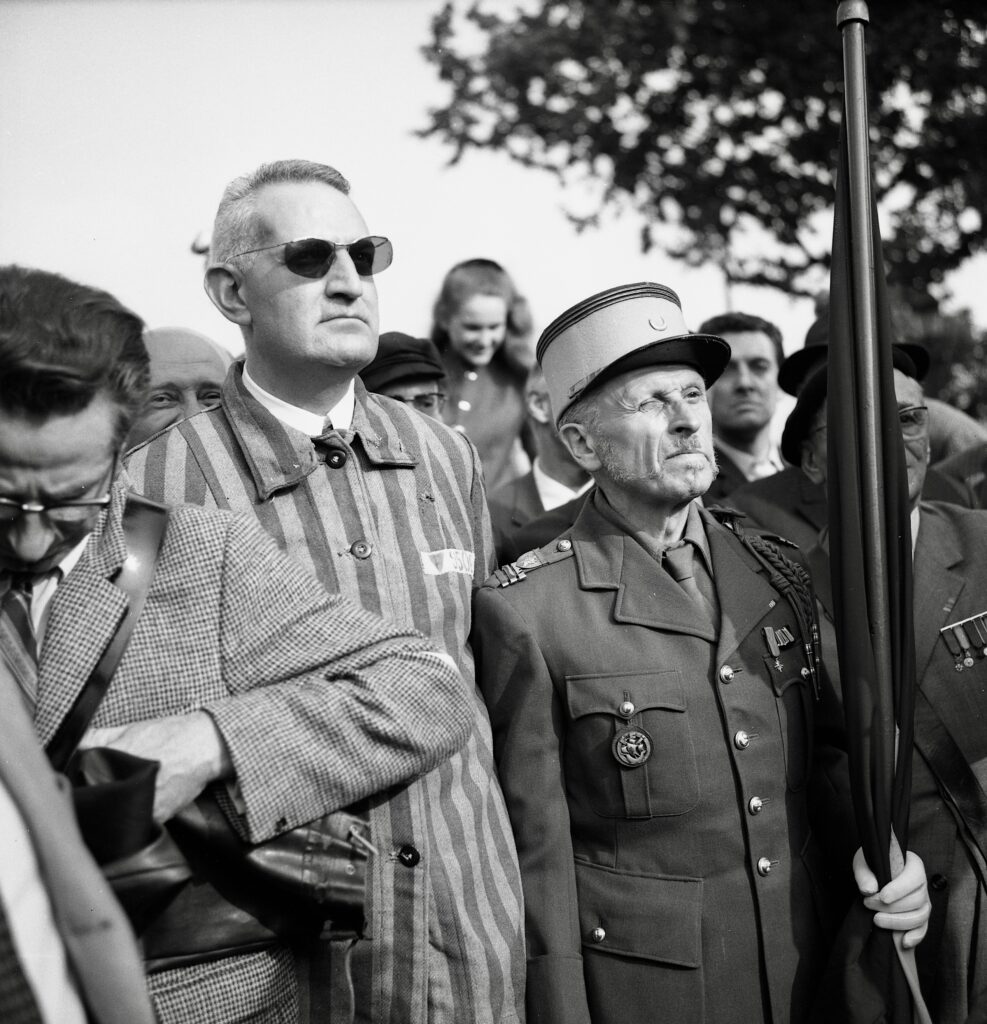
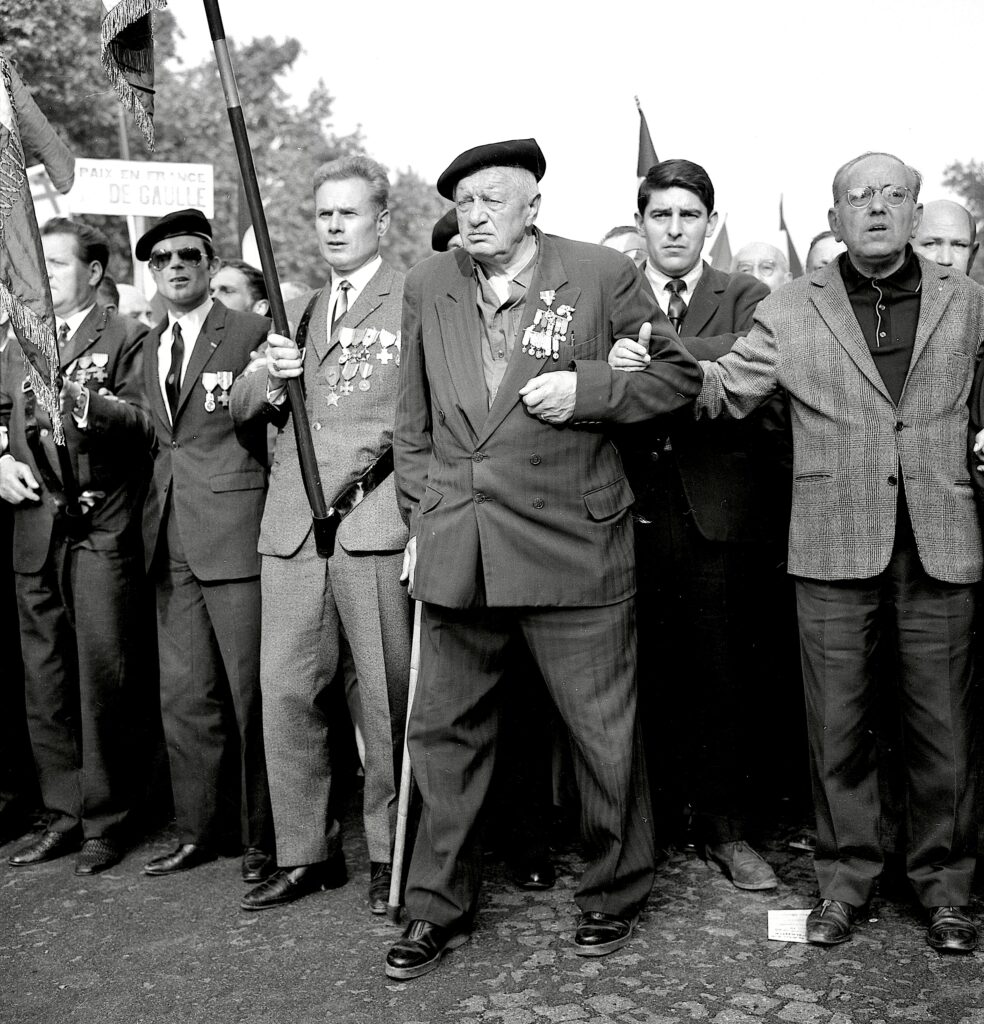
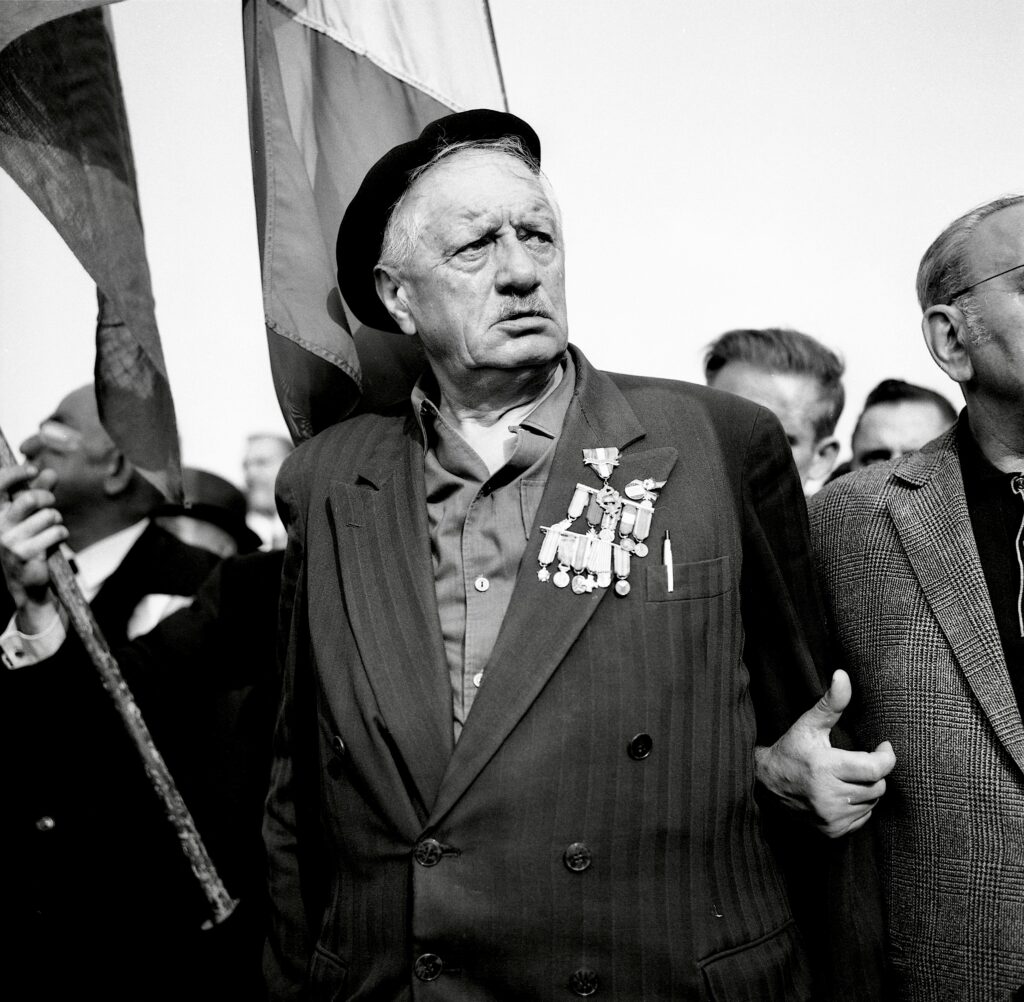
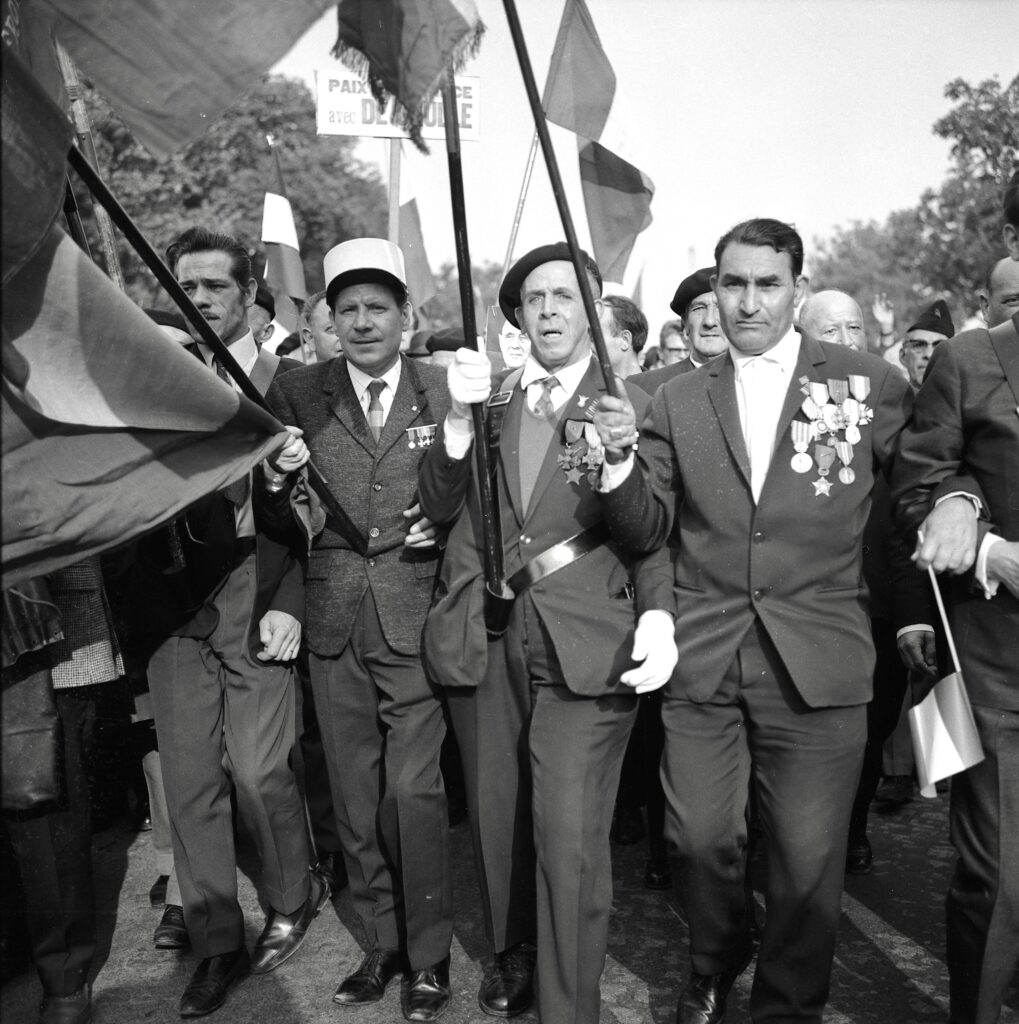
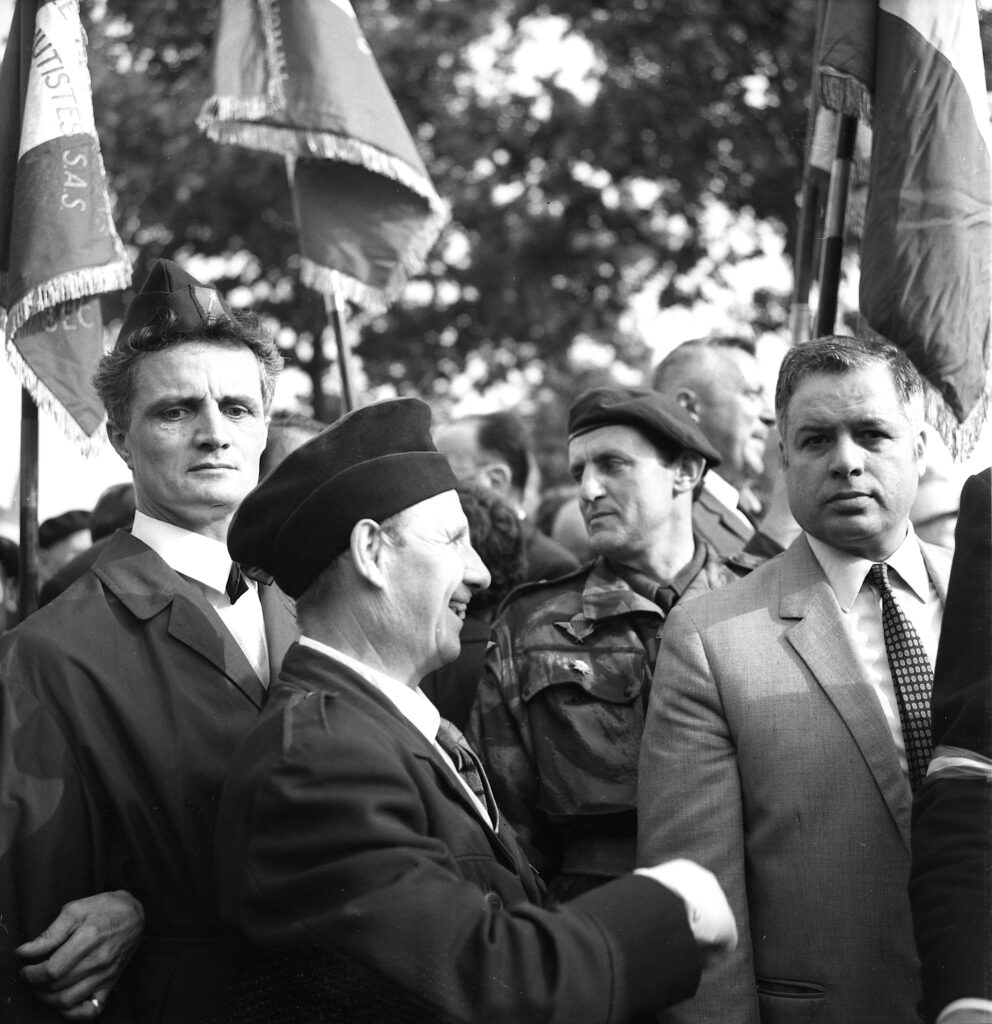
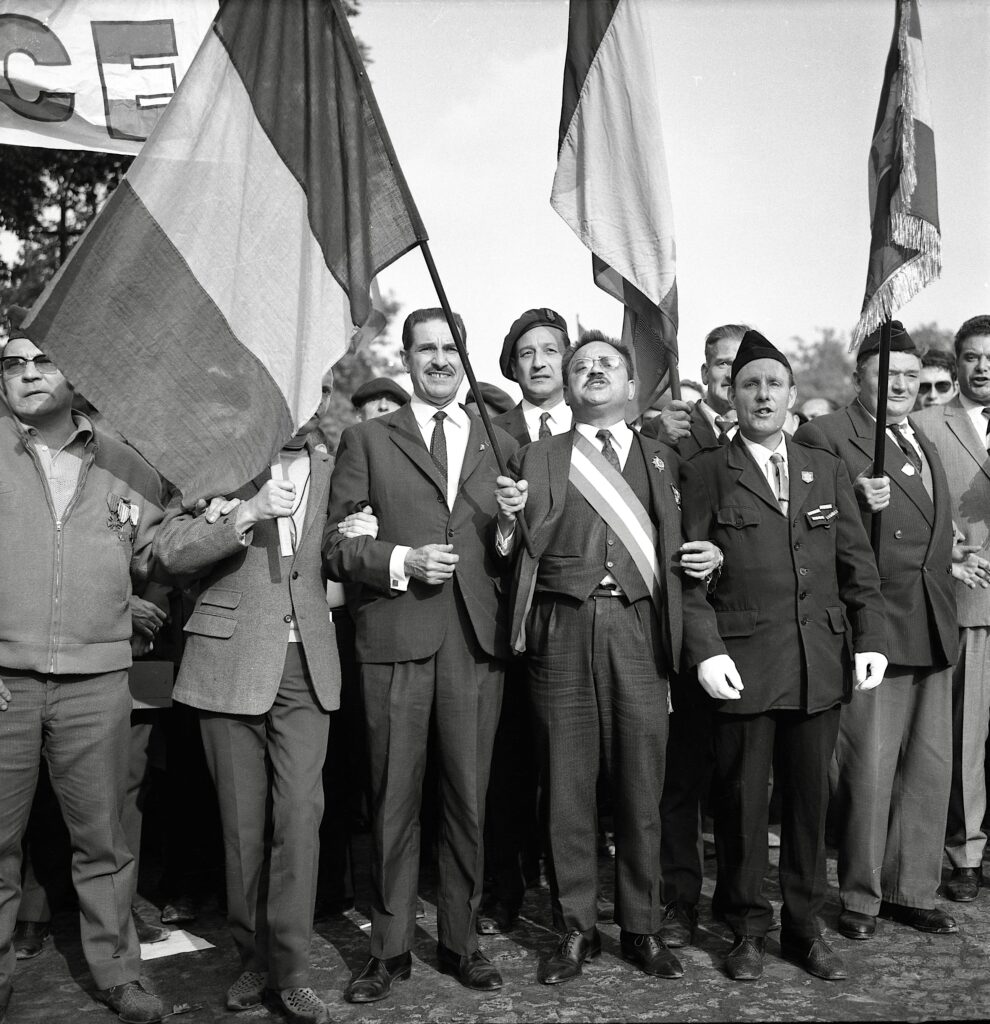
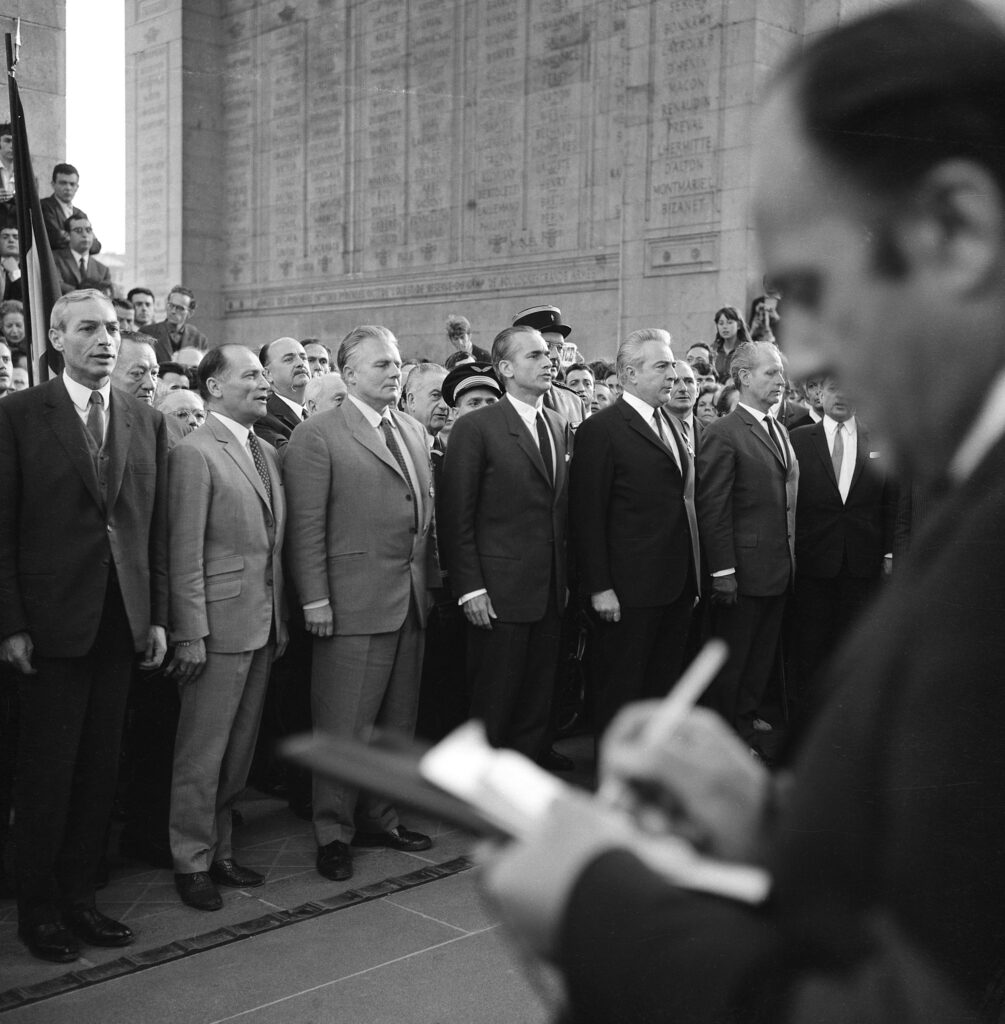
Comme le suggérait judicieusement Robert Capa pour réussir des photos, Mai 68 m’a offert l’opportunité de m’approcher au plus près des gens avec mon Rolleiflex. À l’appel du général de Gaulle, refusant la « chienlit » estudiantine et « la plage sous les pavés » de la rue Gay-Lussac, des centaines de milliers de Parisiens, terrifiés par le charivari du Quartier latin, s’étaient retrouvés le 30 mai sur les Champs-Élysées pour un défilé géant. Partisans de droite et d’extrême droite y avaient bombé le torse en vociférant des Marseillaise. Pour l’occasion, ils avaient sorti des placards médailles, drapeaux, uniformes de paras de la guerre d’Algérie, jusqu’à la tenue rayée des camps de la mort nazis.
Une aubaine pour un photographe débutant. Cependant, les négatifs de ces photos ont cinquante ans d’âge. Certains ont rapporté de l’époque d’infimes griffures, de subtiles taches et de légères poussières. Ils méritent indulgence pour leur grand âge.
IN THE BEGINNING WAS THE IMAGE
Just as there is a ‘patient zero’ in the event of a pandemic, there must inevitably be a first negative – the primal photograph, like a scream, the one that kindles a budding passion.
As far as I am concerned, the very first shot taken with my Rolleiflex, which I bought in 1966, was undoubtedly the translucent window of a chemist’s, with test tubes and pipettes silhouetted against the light, situated on the corner of Rue Dulong and Rue Legendre, in Paris’s 17th arrondissement, not far from my parents’ home.
As well as Robert Capa’s Leica and Contax, his Rolleiflex made me dream.
I spent a month in August working as a typist in a paint factory in Aubervilliers to save up for one.
The following year was a period of experimentation during which I undertook two personal photo-essays: first in Ireland, on the Aran Islands, then in Turkey, in Istanbul, a magical city I reached by hitchhiking. Fifty years on, these photographs serve as a record of that time.
The Aran Islands because, in 1934, Robert Flaherty had made a marvelous docudrama, The Man of Aran, which had fascinated me so much that I stayed there, returned five years later, and included excerpts of the epic storm in a 1997 television film.
Turkey, because once you’ve crossed the Bosphorus via the Galata Bridge, which spans the Golden Horn, the doors to the East and its mysteries open up for a young Breton in search of adventure.
As Robert Capa so wisely suggested for taking great photographs, May ’68 gave me the opportunity to get as close as possible to people with my Rolleiflex. In response to General de Gaulle’s call, rejecting the student ‘dog’s-day’ and ‘the beach beneath the cobblestones’ of Rue Gay-Lussac, hundreds of thousands of Parisians, terrified by the uproar in the Latin Quarter, gathered on 30 May on the Champs-Élysées for a massive march. Supporters of the right and the far right stood there with chests puffed out, bellowing the Marseillaise. For the occasion, they had dug out medals, flags and paratrooper uniforms from the Algerian War – even the striped uniforms of the Nazi death camps.
A godsend for a novice photographer.
However, the negatives of these photographs are fifty years old. Some show minor scratches, faint marks and light dust from that time. They deserve credit for their great age.